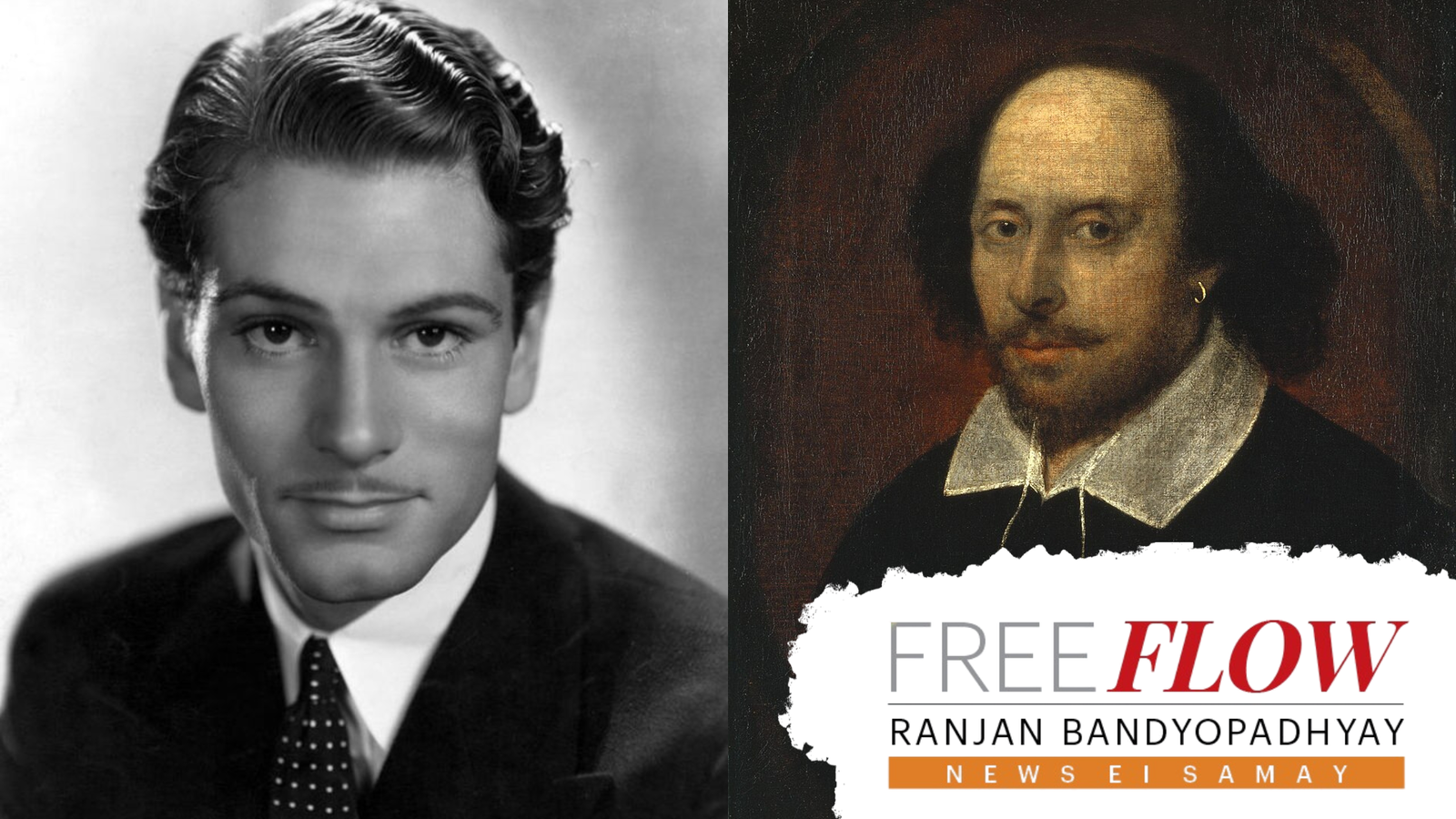
“Now is the winter of our discontent”: Only William Shakespeare could have written this magical line. Seven English words! And seven steps to immortality! This also states the central theme of the play in the very first line. Shakespeare knows the shortest way to climb into poetry and ageless utterance.
The play is The Tragedy of King Richard the Third, which Shakespeare published in 1597.
Way back in 1961, when I was a callow undergraduate, desperately amazed by Shakespeare's magic, I felt the immediacy of the deadly line. Now well past eighty, past my hopes and agonies and pangs of despair, I still feel the same urgency, the same emotional proximity, the same imminence of the line.
 Why Shakespeare's 'Winter of Our Discontent' still resonates today. /Pinterest
 Here is quintessential Shakespeare at his very best, whom even he couldn't readily transcend.
Here is a confused confession: I didn't know how to voice this line. Now is the winter of our discontent, until in the winter of 1972, with dainty... sitting next to me, holding my hand, Laurence Olivier had appeared on the screen as distraught and debilitated King Richard the Third to utter his first line.
Also Read | Growing old with Milan Kundera and finding freedom beyond fame
The line for the first time impacted me with all its nuanced layers, innate scepticism, distrust, and greed.
King Richard the Third is a heinous villain, shockingly evil and morally outrageous. But Shakespeare gives him his best lines, the unbearable beauty of his poetry, making him one of the most challenging tragic heroes in literature.
And Sir Laurence Olivier has given him the best offerings of his genius, making King Richard simultaneously a detached cynic, a passionate lover, a deformed rascal, a monstrous tyrant, evil to the core, and yet celebrated as an ageless sinner, crude in his philosophy, and yet somehow redeemed in his pathetic and painful end.
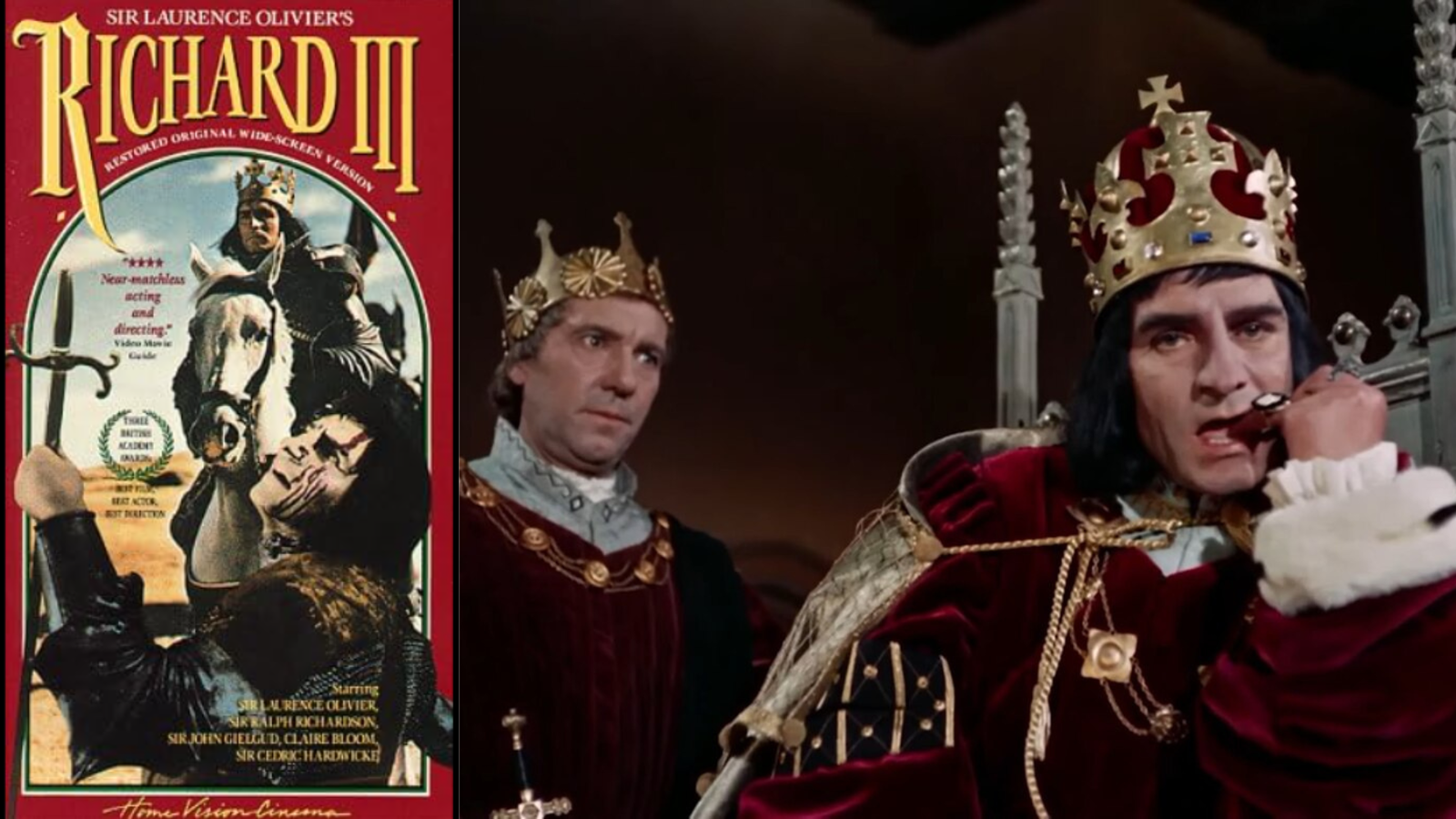 Ralph Richardson and Laurence Olivier in Richard III. /Wikipedia
 I have always felt that discovering Sir Laurence Olivier as a co-traveller through some of Shakespeare's plays is to rediscover Shakespeare. He can indeed be our prism bringing out the hidden colours residing in the magically woven singularity of the Shakespearean tragic heroes like Hamlet, Othello, Macbeth and King Richard the Third. Once asked what the basic difference was between Hamlet and Othello as plays, his terse reply was: “I think of Hamlet in terms of sculpture, in black and white, while Othello comes to me as a painting with vibrant colours.”
None of my teachers had said anything near that about either of these plays, barring one and only MB, Mohimohan Bose, the Oxford Scholar, with an acid- destroyed face. That reminds me of my book on Shakespeare's Antony and Cleopatra, which I wrote while still a student and named The Flaming Nilus. It was published much later with a brilliant introduction by MB: “Antony and Cleopatra, the hero and the heroine are unique from the very beginning of the play as they are unique in the pages of history; but theirs is, in history, the uniqueness born of qualities which spring from the vitality of the body and even of the mind with its dower of strong and fitfully generous emotions, but not from the sovereign power of the spirit. But Shakespeare, like a master potter, takes the historic clay and kneads it and shapes it on the master wheel of his unique genius.”
Also Read | Marilyn Monroe at 100: The lonely woman behind the world's most desired face
I wonder if the book will still be available!
 Sir Laurence Olivier /IMDB/ Pinterest
 And now let me come to the news peg I have been holding up my sleeve: Laurence Olivier was honoured on June 10 with a Blue Plaque unveiled by the renowned British stage actor Ian McKellen.
On June 10, 2026, Sir Laurence Olivier joined David Garrick, Henry Irving, Oscar Wilde and Noel Coward in having a British Heritage Blue Plaque outside his London home at Lupus Street in Pimlico, where Olivier lived from the age of five to twelve and discovered his talent for acting under the watchful eye of his father.
A bit of a sad spot, though, a Blue Plaque Heritage Honour is always posthumous. You never live to see it!