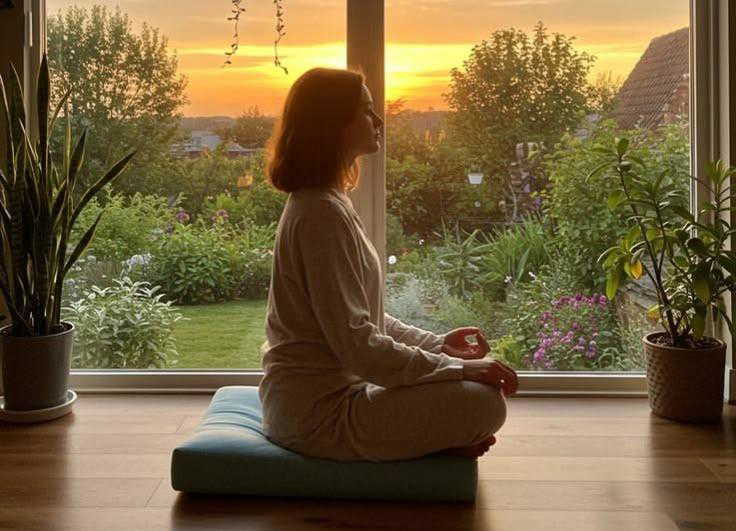
As the world celebrates International Yoga Day on June 21, many parents are wondering whether yoga is suitable for children and when they should start practising it. Health and wellness experts say yoga can be introduced to children at a young age, provided the sessions are age-appropriate, enjoyable and focused on movement rather than perfection.
Yoga is increasingly being recognised as a valuable tool for helping children improve concentration, flexibility, posture and emotional well-being. Schools across India and around the world are also incorporating yoga into student wellness programmes.
What is the right age for children to start yoga?
Experts generally recommend introducing yoga to children between the ages of four and six through playful activities, storytelling and simple movements. At this stage, yoga should focus on fun rather than strict techniques or complex postures.
Also Read | American woman calls Mumbai metro cleaner than New York metro, sparks online debate
As children grow older, they can gradually learn structured breathing exercises, mindfulness techniques and more advanced poses under proper guidance. According to Hindustan Times report, experts stress that yoga sessions for children should always be adapted to their age, physical abilities and attention span.
Why is yoga beneficial for children?
Regular yoga practice may help children improve flexibility, balance, coordination and body awareness. It can also support emotional regulation, reduce stress and encourage healthy habits from a young age.
Studies and educational programmes have also linked yoga with better concentration, improved posture and enhanced classroom engagement among students.
Tree Pose (Vrikshasana)
Tree Pose is one of the easiest yoga postures for children. Standing on one leg while balancing the other foot against the opposite leg helps improve stability, concentration and body control.
Also Read | Forget swiping: ‘Pitch Your Friend’ is India’s hottest new dating trend
Children often enjoy the pose because they can imagine themselves as strong trees swaying gently in the wind.
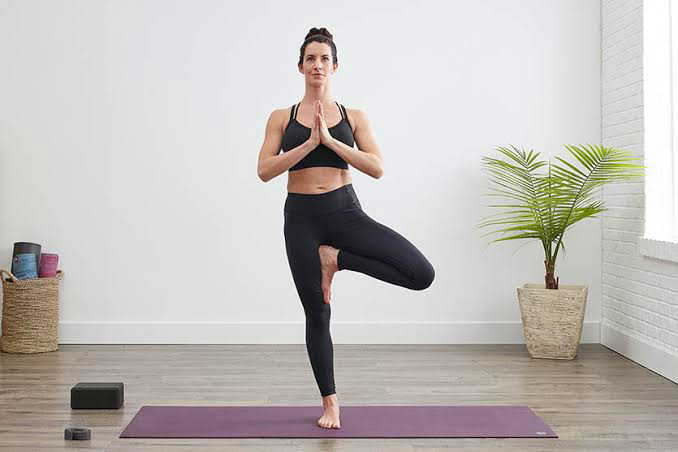 tree pose Ai genrated
Cat-Cow Pose (Marjaryasana-Bitilasana)
This gentle movement involves alternating between arching and rounding the back while on hands and knees
The pose improves spinal flexibility, encourages good posture and helps children become more aware of their breathing patterns. It is frequently recommended as a beginner-friendly yoga exercise.
 cat cow pose Ai generated
Butterfly Pose (Baddha Konasana)
Butterfly Pose involves sitting with the soles of the feet together and gently moving the knees up and down like butterfly wings.
The pose helps stretch the hips and inner thighs while improving flexibility. Children often find it fun because it incorporates imaginative play.
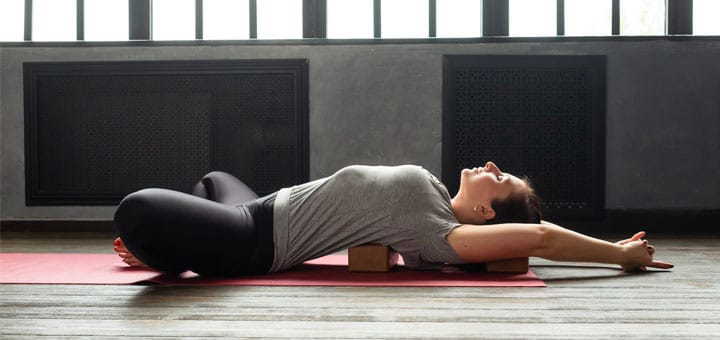 butterfly pose Ai generated
Cobra Pose (Bhujangasana)
Cobra Pose is performed by lying on the stomach and gently lifting the chest while keeping the lower body grounded.
The posture helps strengthen back muscles, improve posture and increase flexibility in the spine. According to Hindustan Times report, experts recommend practising it under supervision to ensure proper form.
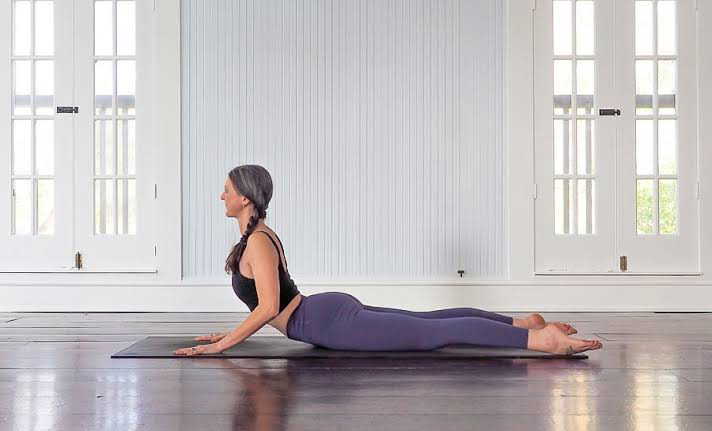 cobra pose Ai generated
Making yoga fun for kids
As per Hindustan Times quoted in their report, yoga experts emphasise that children respond best when yoga is presented as a game rather than a structured exercise routine. Storytelling, animal-inspired poses and group activities can make sessions more engaging and enjoyable.
The goal is to help children develop a positive relationship with movement and mindfulness, encouraging habits that can benefit them throughout life.
FAQs:
At what age can children start yoga?
Experts generally suggest introducing yoga through playful activities between the ages of four and six.
Is yoga safe for children?
Yes, when taught appropriately and adapted to a child's age and physical ability.