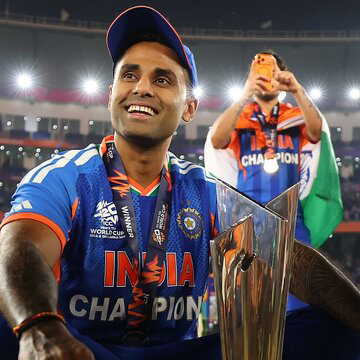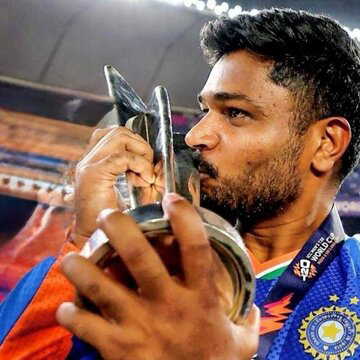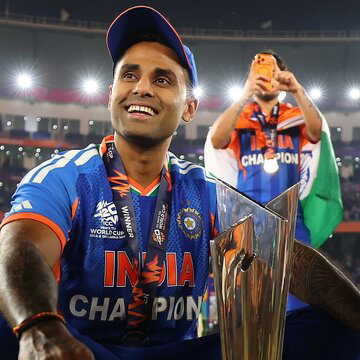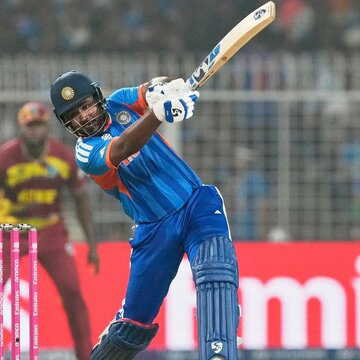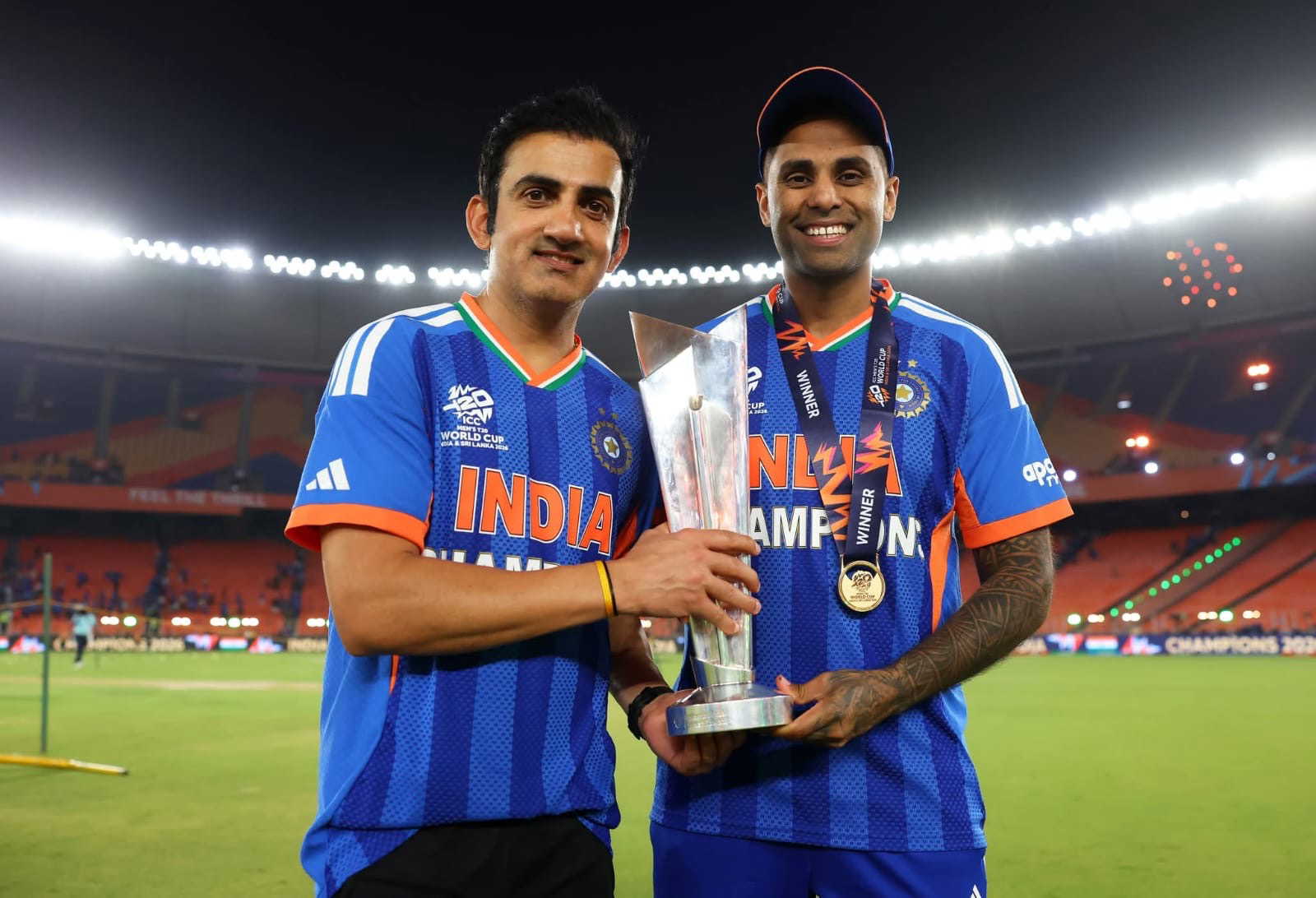
India got the result of the last 1.5 years of hard work by defeating the Kiwis in the finals of the T20 World Cup and with that India lifted the title for the third time. After MS Dhoni, Rohit Sharma and Surya Kumar Yadav have joined the list. Before this, no team was able to defend the trophy but SKY led India to defeat history by defending the trophy. Just like the ODI World Cup, the Indian team became the first team to win a T20 World Cup on home soil. Gautam Gambhir also created history and became the first player and coach to win all ICC finals he has been part of.
Gautam Gambhir’s stunning career
Coming from Delhi, the left-hand batter has failed to win just one trophy, it was the CLT20 Final where CSK defeated them, in the same year where they defeated Kings XI Punjab (Punjab Kings) to win the IPL. Gambhir’s cup-winning run first started in Johannesburg where his 75 runs led India to put a fighting 157 runs on board and India won the very first World Cup. Then, his 97 runs in the 2011 World Cup finals, that formed the base of India’s win against Sri Lanka.
Also Read | What is Spidercam? The flying camera seen during the T20 World Cup final
After that, Gambhir had to watch India win in the ICC events from a distance, his game dipped a bit and he lost his place in the team. In the IPL he won the 2012 season and in 2014 he led KKR to win their second IPL. In 2024 he left Lucknow Super Giants and joined KKR as a mentor and also won there. Gambhir’s stint as the Indian team head coach has remained one of the most controversial despite the fact that India played two ICC finals and went on to win. As a player, Gambhir was known for his big-match impact and now his fantastic streak in finals has got another feather.
India dominates the final
India delivered a commanding display in the final against New Zealand. Batting first, the Men in Blue posted a massive total, with key contributions from the top and middle order.
The bowlers then ensured that New Zealand never gained momentum in the chase. Regular wickets and tight bowling restricted the opposition, who eventually fell well short of the target. The all-round performance underlined India’s dominance and control in the high-stakes final.