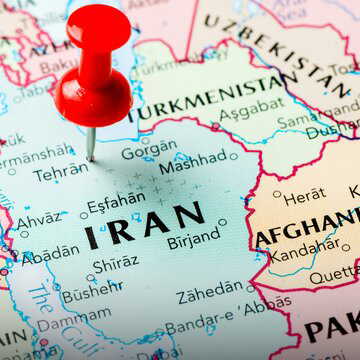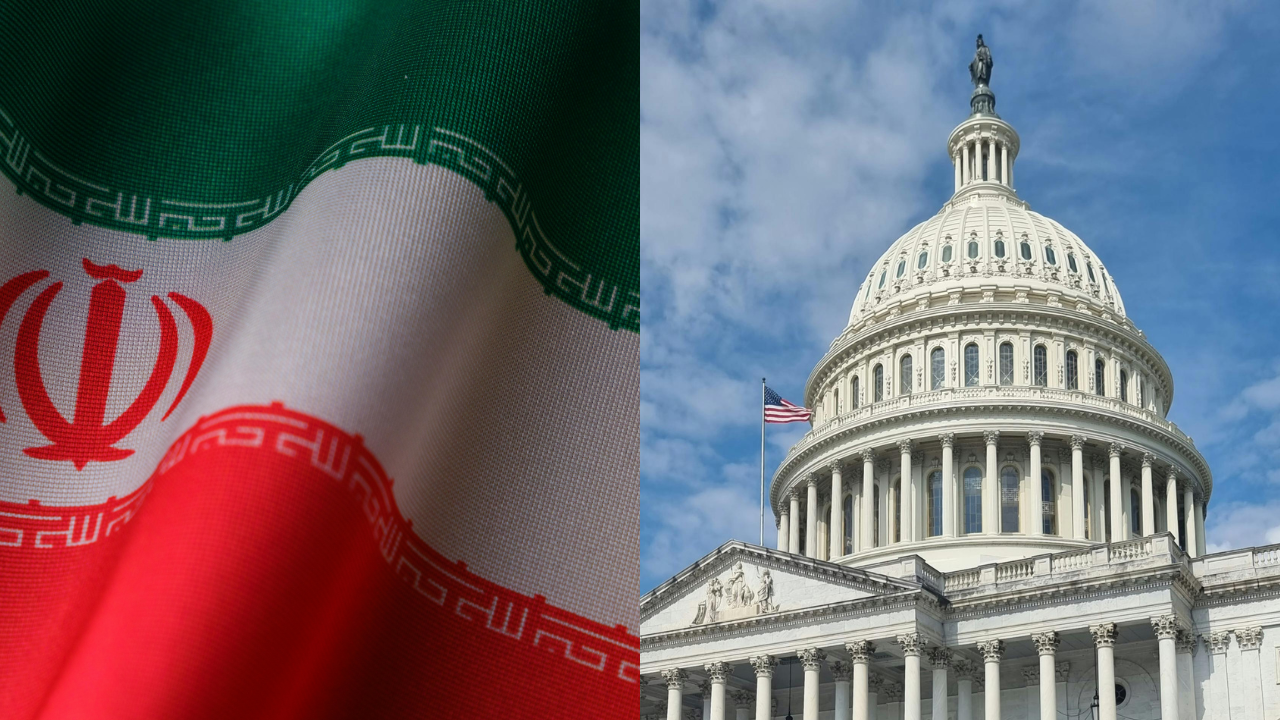
The Middle East is going through a moment of deep uncertainty as tensions rise between the United States, Israel and Iran. The conflict has already shaken global energy markets, worried Gulf countries and forced nations like India to balance their diplomatic and economic interests carefully.
In a conversation on Point Blank by Hindustan Times, Shishir Gupta and Aayesha Varma shared the focus to a major political development in Iran: the appointment of Mojtaba Khamenei, the son of the late Supreme Leader Ayatollah Ali Khamenei, as the new Supreme Leader.
Iran’s new Supreme Leader
The rise of Mojtaba Khamenei, supported strongly by the powerful Islamic Revolutionary Guard Corps (IRGC), signals continuity rather than reform in Iran. Instead of opening the door to change, analysts believe this move points to a more hardline consolidation of power.
According to Shishir Gupta, the development is closely linked to the ongoing conflict in the region. With Mojtaba aligned with the IRGC, the signal from Tehran is clear: the regime plans to continue its resistance rather than compromise under pressure.
Gupta also highlighted the broader economic impact of the conflict. Oil prices have surged to around 117 dollars a barrel, with projections from Qatar suggesting prices could climb as high as 150 dollars if tensions continue.
A war with no clear end
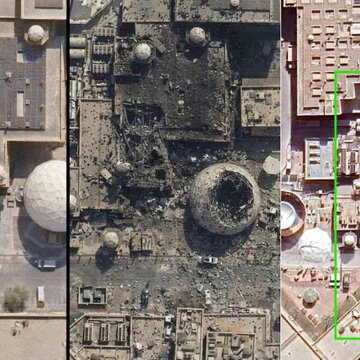
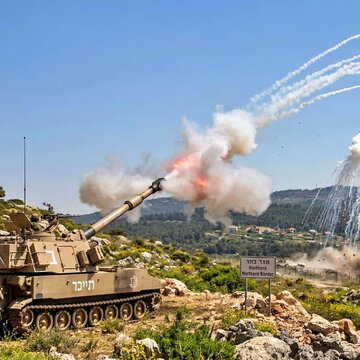
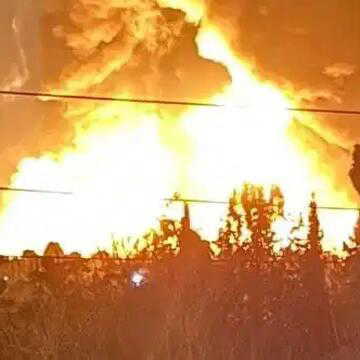
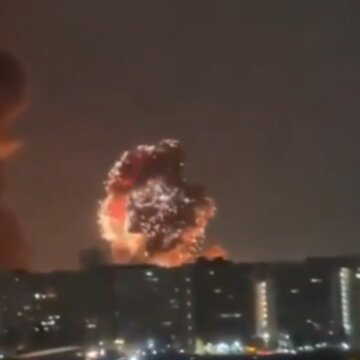
On the military front, the situation appears to be a prolonged and intense conflict with no easy resolution. The United States and Israel have stepped up bombing operations targeting Tehran’s infrastructure, oil depots and strategic facilities in an attempt to weaken Iran’s military capabilities.
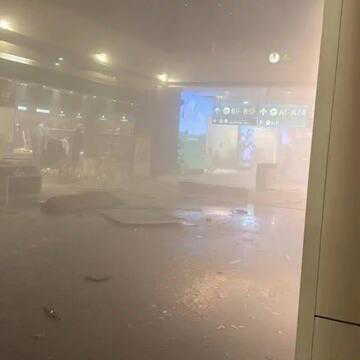
At the same time, Iran has continued launching missiles and drones at Gulf countries that it believes are supporting Washington. Through proxy groups such as Hezbollah, the Houthis and Kataib Hezbollah, Tehran has widened the conflict across the region.
Gupta compared the situation to a heavyweight boxing match where neither side is ready to back down. On one side is US President Donald Trump, who is determined to force Iran into either surrender or destruction. On the other side are Mojtaba Khamenei and the IRGC, who have made it clear they will not give in.
Another major pressure point is the Strait of Hormuz, through which nearly 20% of the world’s oil passes. Ship movements in the area have slowed sharply as Iran has targeted vessels, launched drones and disrupted maritime traffic.
Meanwhile, Iran’s President Masoud Pezeshkian recently apologised to Gulf countries for certain attacks but warned that strikes would resume if they continued supporting the United States. However, Gupta noted that the statement “did not carry any weight,” as the IRGC quickly reaffirmed its intention to expand the conflict.
For Gupta, the key power centre in Iran remains the IRGC. As long as it continues launching missiles, drones and attacks on shipping routes, the nature of the war is unlikely to change.
India’s position in the conflict
Discussing India’s role, Gupta said that New Delhi neither started the conflict nor worsened it, and it has very limited scope to intervene diplomatically or militarily.
He said calls for India to step in are often driven by domestic “vote bank politics” rather than strategic realities. Recent Shia protests in cities like Srinagar, Lucknow and Hyderabad remained largely peaceful, even though some global narratives suggested unrest in India.
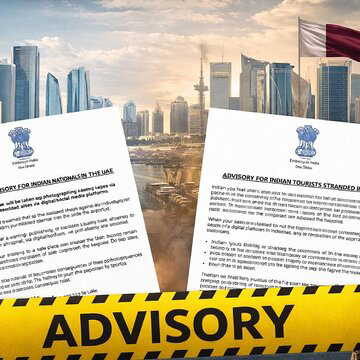
India’s approach, he explained, remains cautious and focused on diplomacy while protecting its own interests, including energy security and the safety of its large diaspora in the Gulf.
Gupta also suggested that the crisis could present opportunities for India, such as developing stronger trans-shipment hubs like a new port in Kerala to support supply chains for Gulf countries.
He also pointed out that India’s defence sector should study how Iran has managed to maintain strong missile and drone capabilities despite decades of international sanctions.
Regarding the sinking of the Iranian vessel Bina near Sri Lanka, Gupta rejected criticism that India failed to protect it. He explained that the ship was near Galle and not within India’s operational area, adding that expecting India to secure it would be similar to asking it to protect ships in the Suez Canal.
Also Read | Did Israel use white phosphorus in Lebanon? Human Rights Watch makes explosive claim
According to Gupta, India’s priority should remain strengthening maritime security in its own region, supporting friendly Gulf nations and ensuring the safety of Indian citizens working in the Middle East.