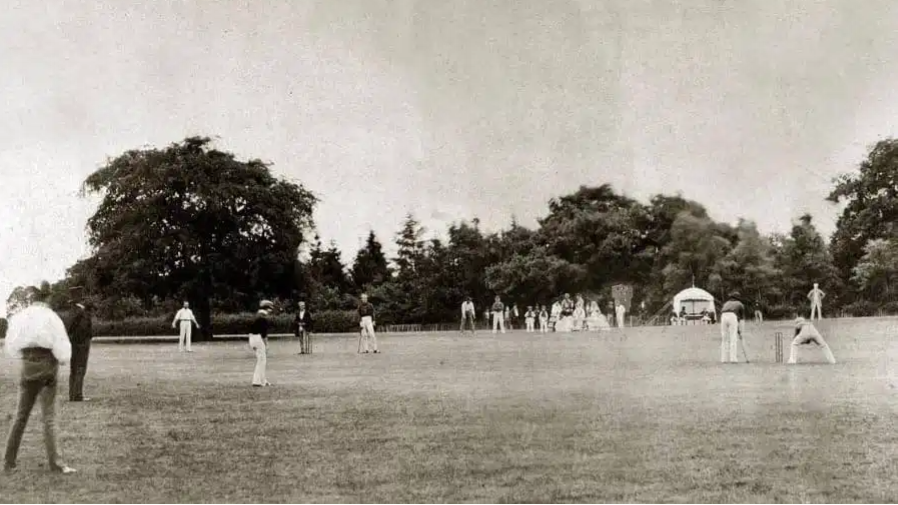
The birth of One-Day Internationals was never planned. It happened because of rain, empty stadiums, and a need to keep fans interested. For many years, Test cricket was the only international format, where matches lasted five days and often ended without a result. By the 1960s, cricket boards were worried. Crowds were shrinking, and costs were rising. Shorter games had already started in England at the domestic level and were proving popular. This set the stage for a major change, even though no one knew it at the time.
A match created by rain
The turning point came in January 1971 in Melbourne. Heavy rain washed out the third Test match between Australia and England. With thousands of fans already in the city, officials did not want the day to go to waste. Sir Don Bradman suggested a one-day match instead, and both sides agreed. On January 5, 1971, Australia and England played a 40-over-per-side game. Around 46,000 people came to watch. That unexpected crowd showed that there was real interest in a shorter format.
Also Read | Rohit Sharma back in training mode as India prepares for NZ ODIs
The match itself was simple but exciting. England scored 190 runs. Australia chased the target and won by five wickets. Players enjoyed the faster pace, and fans liked seeing a result in one day. What was meant to be a makeshift game suddenly looked like a new idea worth exploring. Cricket officials took note of the excitement and attention it created.
Also Read | Unsold at IPL auction, Abhinav Manohar shines with five unbeaten innings in Vijay Hazare Trophy
ODI turns global
After the Melbourne match, more one-day games were organised. England and Australia played the first official ODI series in 1972. Other countries soon followed. The format grew quickly and reached a major milestone with the first Cricket World Cup in 1975. What began as a rain-hit solution became one of cricket's most popular formats.