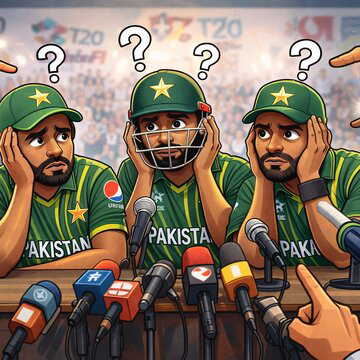
The talks between the Pakistan cricket board and ICC have taken a major shift as both parties have come to a point to have a dialogue over the stand, which Pakistan has taken for the match of February 15. As reported by, the parties have agreed to hold discussions on the marquee clash. It is believed that the situation has come to a negotiation stage as the global body is ready to have a conversation after PCB invoked force majeure.
Also Read | From control to chaos: Shaky Pakistan survive associate ambush as Netherlands push giants to edge
The meeting’s main focus will revolve around the potential damages that could happen to PCB if ICC imposes PCB for any act of non compliance policy.
Why did they come to talks?
Cricbuzz suggested that the talks began after the International Cricket Council (ICC) began talks with the Pakistan Cricket Board (PCB) after Pakistan indicated it may boycott a game. The move followed a formal letter from the PCB to the ICC, invoking the force majeure clause and citing instructions from the Pakistan government.
In response, the ICC wrote back seeking clarification on whether the force majeure claim is valid. It asked the PCB to explain what steps it had taken to reduce or avoid the impact of non-participation. Sources say the ICC’s communication clearly laid out the strict conditions under which force majeure can be used, the evidence required, and the wider consequences of opting out.
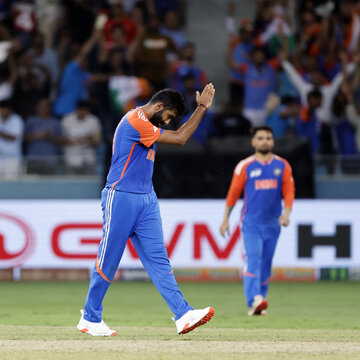
Also Read | How Mumbai dew can add pressure if India has to go without Bumrah? Here is all the details you should know
The ICC also flagged possible sporting, commercial, and governance implications, including potential financial damages. While standing firm on contractual obligations, the ICC has kept dialogue open, stressing discussion and due process without compromising its position.
What is a force majeure clause?
A force majeure clause is a contract provision that excuses a party from its obligations when unforeseen events beyond its control make performance impossible. These events can include natural disasters, war, government orders, or pandemics. To invoke it, the affected party must prove the event directly prevented compliance, provide evidence, and show efforts to minimise the impact. It cannot be used for convenience, financial loss, or avoidable situations, and is applied very strictly in sports contracts.