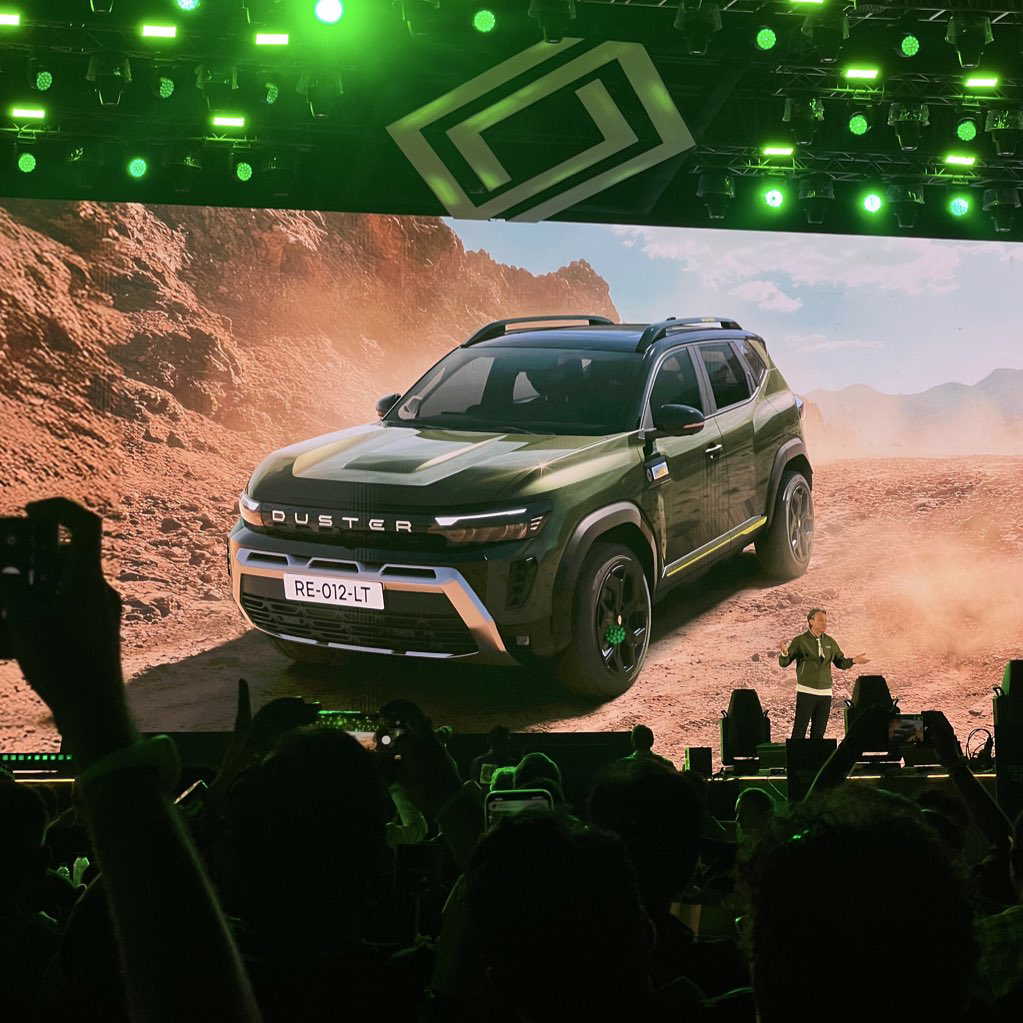
Dealerships across India have begun receiving display and demo units of the new-generation Renault Duster, signalling that its official launch is just around the corner. With pre-bookings already open and prices expected to be announced in March, Renault is clearly preparing for a serious return to the fiercely contested mid-size SUV segment.
Early arrival signals aggressive re-entry
The arrival of showroom units in major cities allows prospective buyers to get an up-close look at the SUV before the price tag is unveiled. This early showcase strategy suggests Renault is keen to build momentum ahead of launch.
The Duster will step into a battlefield dominated by heavyweights like the Hyundai Creta, Kia Seltos and Maruti Grand Vitara. Reclaiming relevance in this segment will require more than nostalgia.
A stronger foundation: The CMF-B platform
The new Duster is underpinned by Renault’s global CMF-B platform, marking a major leap from the previous generation. This architecture promises improved structural rigidity, better safety credentials and compatibility with electrified powertrains.
The platform shift alone positions the SUV as a thoroughly modern offering rather than just a cosmetic update.
Bold, global design language
Visually, the Duster has evolved into a more muscular and contemporary SUV. It features a large front grille with bold detailing, Y-shaped LED lighting elements, squared wheel arches and prominent body cladding. The upright stance reinforces its rugged character. It is a nod to its original identity, but with global polish.
Inside, the cabin is a significant upgrade. A layered dashboard layout, improved materials and enhanced tech elevate the experience. Highlights include a large touchscreen infotainment system, wireless smartphone connectivity, a fully digital instrument cluster, automatic climate control, rear AC vents and connected car features.
Also Read | Tata’s new EV hits the market: How far can it go on a single charge?
Three engines with hybrid power
Renault is offering multiple powertrain options to appeal to varied buyers. The E-Tech 160 Hybrid combines a 1.8-litre petrol engine with two electric motors, delivering 160 bhp and 172 Nm. It will be targeting efficiency-conscious buyers.
The Turbo TCe 160 packs a 1.3-litre turbo-petrol engine producing 160 bhp and 280 Nm, paired with manual or dual-clutch transmissions for performance seekers. At the entry level, the TCe 100 offers a 1.0-litre turbo-petrol engine producing 100 bhp and 160 Nm.
With refreshed styling, advanced features and a hybrid option in its arsenal, the new Duster is no longer just banking on legacy. Its success will hinge on aggressive pricing and value positioning against entrenched rivals.