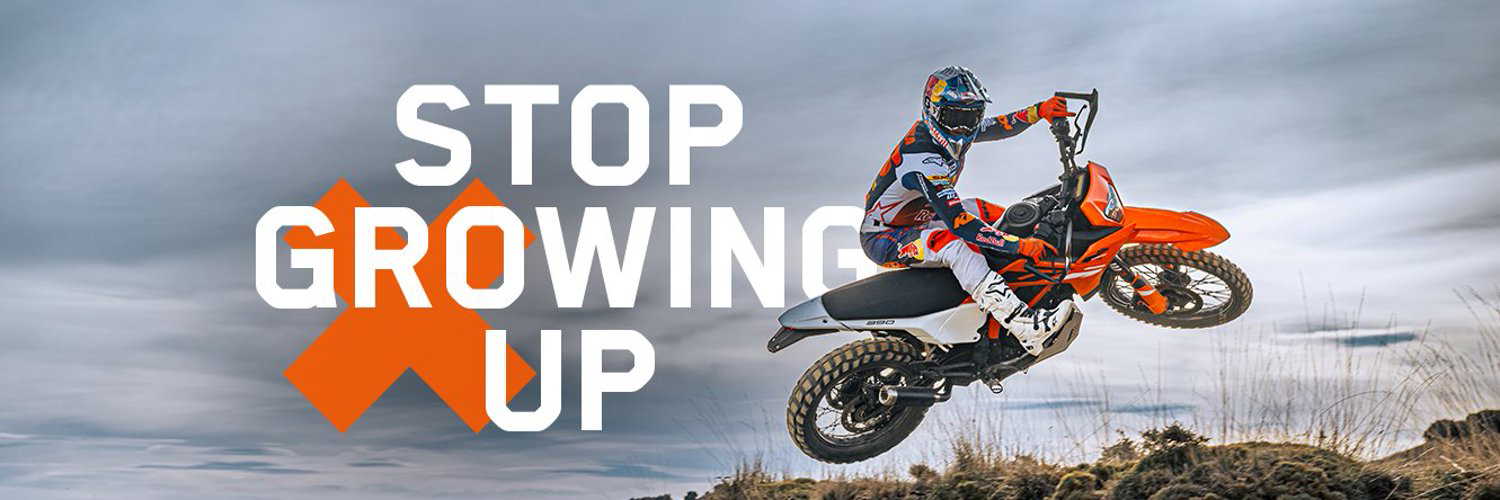
For more than 30 years, KTM’s sharp, aggressive design language has borne the unmistakable imprint of Salzburg-based studio KISKA. From the angular bodywork of its streetfighters to the bold identity that defined its branding, the partnership helped shape KTM into the performance icon it is today. Now, that chapter has officially closed. KTM has sold its remaining stake in KISKA to Loxone GmbH and announced plans to establish its own design centre in Salzburg. It signals a strategic shift in how the brand envisions its future motorcycles.
A three-decade creative alliance ends
According to NDTV, KISKA has been closely intertwined with KTM since the early 1990s, contributing not only to motorcycle design but also to branding, communication, apparel and customer experience. The studio played a critical role in crafting KTM’s distinct visual DNA with bold lines, aggressive stances and a no-nonsense aesthetic that resonated with enthusiasts worldwide.
Beyond KTM, KISKA built an impressive portfolio, working with global brands such as Adidas and contributing to projects like Cardo’s Beyond helmet series and the BSA Thunderbolt prototype showcased at EICMA 2025. Still, KTM remained its largest client and investor, with Pierer Mobility at one point holding up to 50 per cent of the studio’s shares.
Restructuring under Bajaj ownership
The split comes in the aftermath of Bajaj Auto’s takeover of Pierer Mobility. Cost optimisation and streamlined internal structures are understood to be key reasons behind the decision.
As part of the restructuring, Loxone GmbH will now hold a 71 per cent majority stake in KISKA, while the remaining 29 per cent will remain with the studio’s management team. KTM, meanwhile, is charting a more self-reliant course by setting up a dedicated design centre in Salzburg, separate from its Mattighofen development hub.
This move brings creative operations closer to engineering, allowing tighter integration between design and development.
What changes for KTM and its fans?
In the immediate future, not much will appear different. Motorcycle development cycles typically span several years, meaning upcoming KTM models will continue to reflect the brand’s familiar aggressive styling. The core visual identity is expected to remain intact, even as the creative process transitions in-house.
Also Read | Can Renault’s reinvented SUV shake up the Creta-Seltos stronghold?
A new chapter for KISKA
For KISKA, losing KTM as its anchor client presents both uncertainty and opportunity. Reports indicate that staff reductions have accompanied KTM’s broader financial restructuring. However, the studio is expected to diversify its portfolio further, reducing reliance on a single brand and expanding collaborations globally.
KTM’s decision marks the end of a defining creative partnership and the beginning of a more internally driven design era. While the address of inspiration may shift from an external studio to an in-house team, the mission remains unchanged: to build motorcycles that look as fierce as they ride.