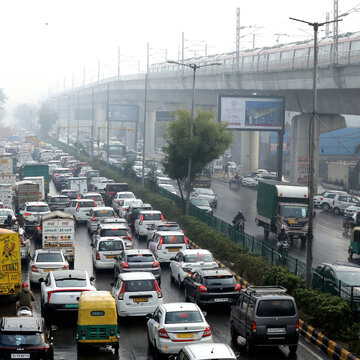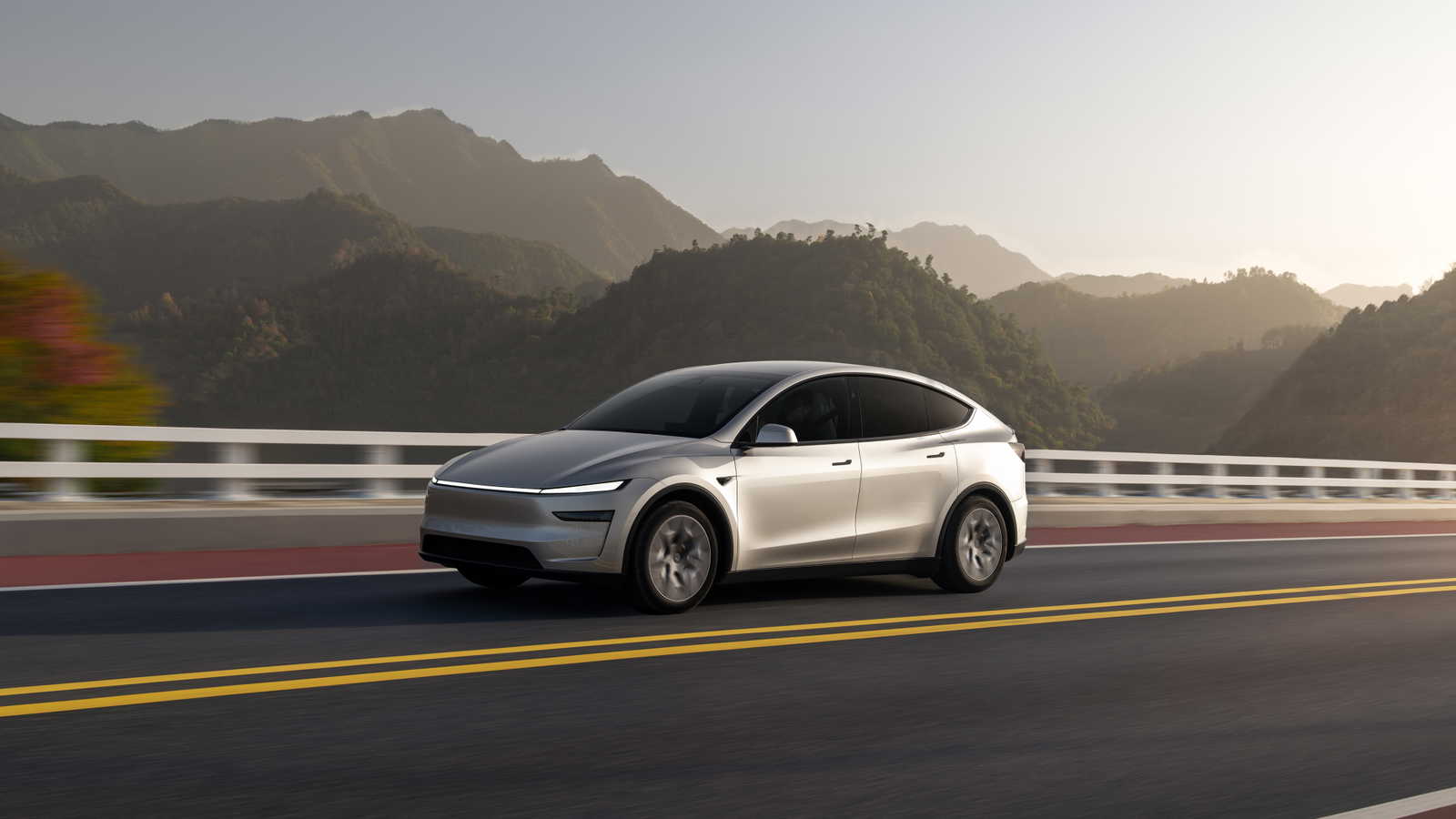
Haryana has taken a significant step towards cleaner transportation by introducing new rules that will require cab aggregators, delivery companies and e-commerce platforms operating in NCR districts to add only cleaner-fuel vehicles to their fleets. New petrol and diesel vehicles will no longer be permitted under the framework, which follows directions from the Commission for Air Quality Management and aims to accelerate the region’s shift towards low-emission mobility.
For commuters and consumers, however, the immediate question is whether this transition will make everyday travel and deliveries more expensive. While experts believe there could be some short-term pressure on pricing, they also see long-term benefits that could transform the overall mobility experience.
Fleet operators face an expensive transition
According to NDTV, the move requires businesses to invest heavily in electric vehicles, charging infrastructure and new fleet management systems. For smaller fleet owners, replacing existing business models built around conventional vehicles may prove particularly challenging.
Industry experts point out that electric vehicles continue to carry higher upfront costs despite becoming cheaper to operate over time. Financing new fleets, establishing charging facilities and training operational teams all add to the initial investment burden.
As a result, some operators may pass a portion of these costs on to customers, particularly during the early years of implementation. Ride fares could witness occasional increases, especially during periods of high demand when fleet utilisation is at its peak.
Also Read | Nissan takes a swipe at Ferrari’s Luce, then quietly deletes the post
Cleaner rides and lower running costs ahead
According to NDTV, despite the initial challenges, electric vehicles offer a major advantage through significantly lower operating expenses. Fuel remains one of the highest costs for mobility operators, and electricity provides a more stable and economical alternative to petrol and diesel.
As charging infrastructure expands and battery technology improves, fleet operators are expected to benefit from lower running costs and greater predictability in day-to-day operations. Many industry leaders believe these savings could eventually help stabilise fares while improving profitability.
Passengers may also notice an immediate improvement in ride quality. Electric vehicles deliver smoother acceleration, quieter cabins and reduced vibration, creating a more comfortable travel experience, particularly in congested urban traffic.
Also Read | Delhi’s proposed hybrid car tax relief could slash ownership costs by up to Rs 1.5 lakh
A cleaner future for NCR mobility
According to NDTV, beyond economics, the policy is designed to tackle worsening air pollution across the National Capital Region. Commercial vehicles travel far greater distances than private cars, making fleet electrification a potentially powerful tool for reducing emissions.
Experts believe the impact may extend beyond cab services. Delivery platforms have already begun integrating electric two-wheelers and three-wheelers into their networks, meaning most consumers are unlikely to experience significant disruptions in delivery times.
The success of the policy, however, will depend heavily on the pace of charging infrastructure development. Fast-charging stations, reliable power supply and coordinated support from governments, manufacturers and mobility operators will be essential.