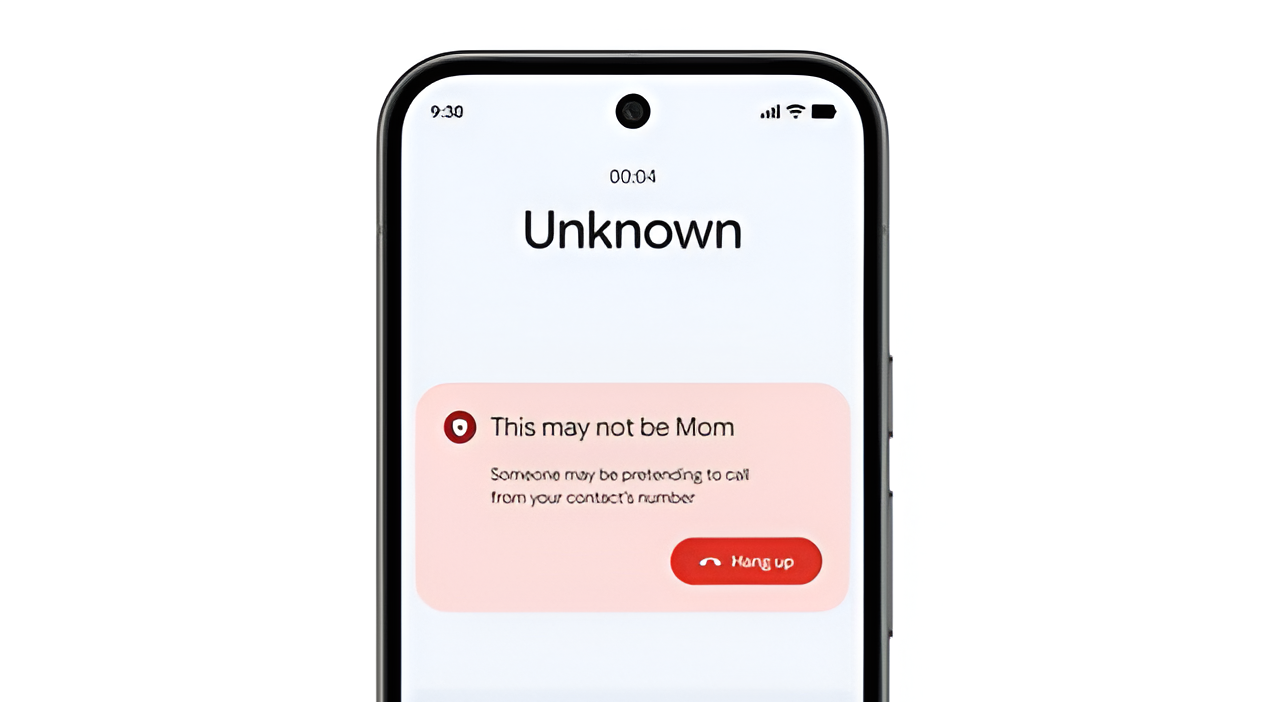
A phone rings. The caller ID shows "Mom." The voice sounds exactly like hers. She claims she is in trouble and urgently needs money. Until recently, many people would have had little reason to question such a call. But the rapid rise of artificial intelligence has changed that reality.
In response to growing concerns over voice-cloning scams, Google has announced a new Android security feature called Fake Call Detection, aimed at helping users identify fraudulent calls that appear to come from trusted contacts. The feature is expected to roll out globally this month through the Phone by Google app on Android 12 and newer devices, starting with Pixel smartphones.
Also Read | GTA V cheat service suffers breach, data of nearly 64,000 users leaked
How Google's new system works
According to Google, the feature is designed to verify whether a call is genuinely coming from the device associated with a known contact.
The system works through what the company describes as a digital verification process. When a trusted contact places a call, their device sends a secure verification signal. If that signal is absent, Android performs additional checks and may display a warning indicating that the call could be suspicious.
The June Android Drop is here! ðŸ A major addition is our new fake call detection feature that spot scammers to impersonate your contacts. Im incredibly proud of the teams dedication to continue bringing industry-first innovations that protect Android users from scams.
— Sameer Samat (@ssamat) June 2, 2026
Plus, pic.twitter.com/CB9oZ4yjnG
The technology has been developed to address a growing threat landscape where cybercriminals combine caller ID spoofing with AI-generated voice cloning to impersonate family members, friends, employers or colleagues.
Google says impersonation fraud is becoming one of the fastest-growing categories of online crime, making traditional caller identification systems increasingly unreliable.
Privacy concerns addressed
Given the sensitive nature of phone calls, privacy has been a major focus of the new feature.
Google said the verification process relies on encrypted Rich Communication Services (RCS) technology and functions automatically in the background. The company maintains that private conversations are not exposed during the verification process. Users who do not wish to use the feature will also have the option to disable it through their device settings.
Not available for everyone yet
The feature comes with some limitations. Both the caller and recipient must be using the Phone by Google application on compatible Android devices with RCS support enabled. However, Google said the underlying technology is based on an open standard, potentially allowing wider adoption by other smartphone manufacturers and communication apps in the future.
Also Read | WhatsApp may soon warn users about potential scam messages: Here's how
As AI-generated scams become more convincing and difficult to detect, technology companies are racing to develop tools that can help users distinguish genuine communication from sophisticated fraud attempts.
Google's latest move reflects a broader industry effort to stay ahead of cybercriminals who are increasingly using artificial intelligence as a weapon. For Android users, the feature could offer an additional layer of reassurance at a time when even a familiar voice on the other end of the line may not always be what it seems.