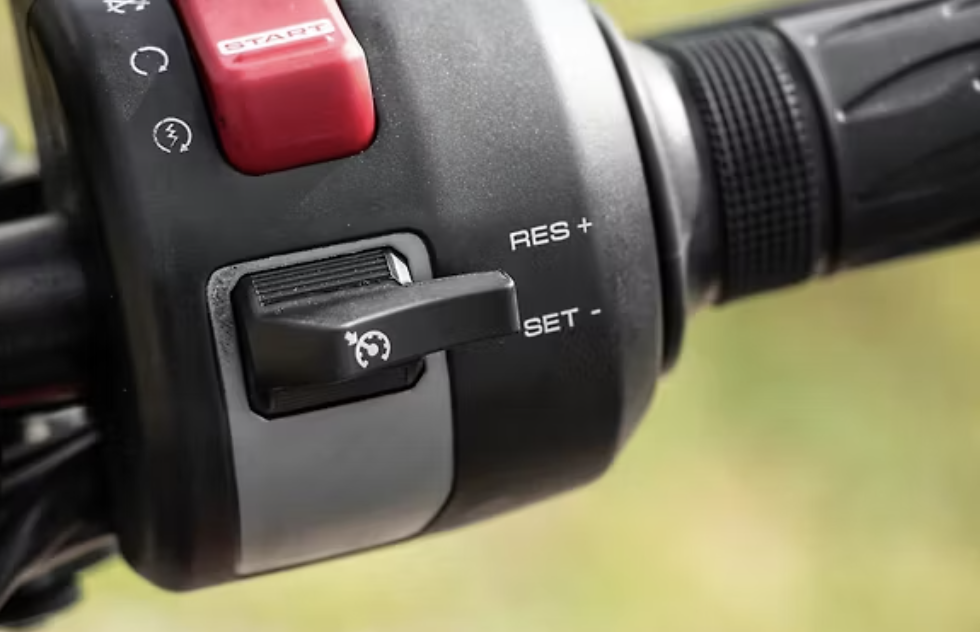
The Indian two-wheeler market is undergoing a quiet transformation, with features once seen as aspirational steadily becoming mainstream. Cruise control, traditionally limited to premium touring motorcycles, is now making its way into more affordable segments. This shift reflects not just technological progress but also a change in what buyers expect from everyday machines.
Feature trickle-down reshapes expectations
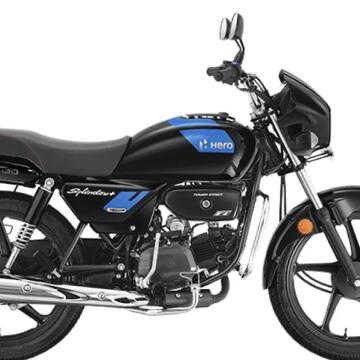
Manufacturers are increasingly equipping budget motorcycles with advanced features to stay competitive in a crowded market. Hero MotoCorp has taken an early lead by introducing cruise control in models such as the Hero Glamour X. The move signals an attempt to bring premium riding comfort to the commuter category, which has historically prioritised efficiency over features.
The Hero Xtreme 125R and Hero Xtreme 160R 4V further extend this approach into the sporty commuter space. These motorcycles show how brands are blending performance, styling and convenience to appeal to younger riders who want more than just basic mobility.
Mid-segment bikes bridge comfort and performance
The presence of cruise control becomes even more relevant as one moves into the mid-capacity segment. Models like the TVS Apache RTX 300 demonstrate how manufacturers are positioning feature-rich motorcycles as versatile options for both city riding and highway touring. Offering cruise control as a standard feature reflects a deliberate push to redefine value in this category.
Similarly, the TVS Apache RTR 310 blends performance-orientated engineering with rider aids that enhance long-distance usability. These motorcycles cater to a growing segment of buyers who expect their bikes to handle daily commutes as well as weekend rides with equal ease.
Also Read | Why did two-wheeler sales slip in April despite a strong yearly rebound?
Changing priorities among Indian buyers
The growing availability of cruise control in affordable motorcycles points to a broader evolution in consumer mindset. Buyers are no longer focused solely on mileage and upfront cost. Comfort, safety and technology are increasingly shaping purchasing decisions, especially among urban and younger riders.
Cruise control plays a subtle but important role in this shift. It reduces fatigue on long rides and allows for a more relaxed riding experience, particularly on highways. While not essential for daily commuting, its inclusion adds a sense of premium appeal that influences buyer perception.
Also Read | Dzire leads April car sales while Punch sets the pace in SUVs
This trend is likely to accelerate as competition intensifies and technology becomes cheaper to implement. More manufacturers are expected to introduce similar features across their line-ups, gradually erasing the distinction between entry-level and premium offerings. For the consumer, the result is a better-equipped motorcycle at a more accessible price point, marking a significant shift in the evolution of India’s two-wheeler market.