Satellite phones are not banned in India, but their usage is highly restricted by the Telecommunications Act, 2023. Users of satellite phones need to acquire an authorisation in the form of either a license or a No Objection Certificate (NOC) from the Department of Telecommunications (DoT).
Even then, only certain kinds of satellite phones can be used. In practice, it is only satellite phones connected to BSNL via Inmarsat that are usable after strict guidelines. Other international networks, such as Thuraya and Iridium, are not authorised in India.
Also Read | WhatsApp is testing a new privacy feature - You didn't know you needed
If any satellite phone comes to India without being declared to the customs and without prior authorisation, it will be confiscated along with punishment for the owner, which could even amount to imprisonment. The government of some countries, notably that of the US, has also warned its citizens against bringing in satellite phones without proper authorisation.
Why are there such stringent regulations?
The restrictions are mostly based on security concerns. Satellite phones are independent of the existing telecom networks, making them difficult for authorities to track.
This problem has been accentuated post the terrorist attacks in Mumbai in 2008, where the terrorists made calls using Thuraya Satellite phones to people outside India. More recently, during the investigation into the Pahalgam terror attack case, satellite-enabled phones were checked.
How satellite phones operate
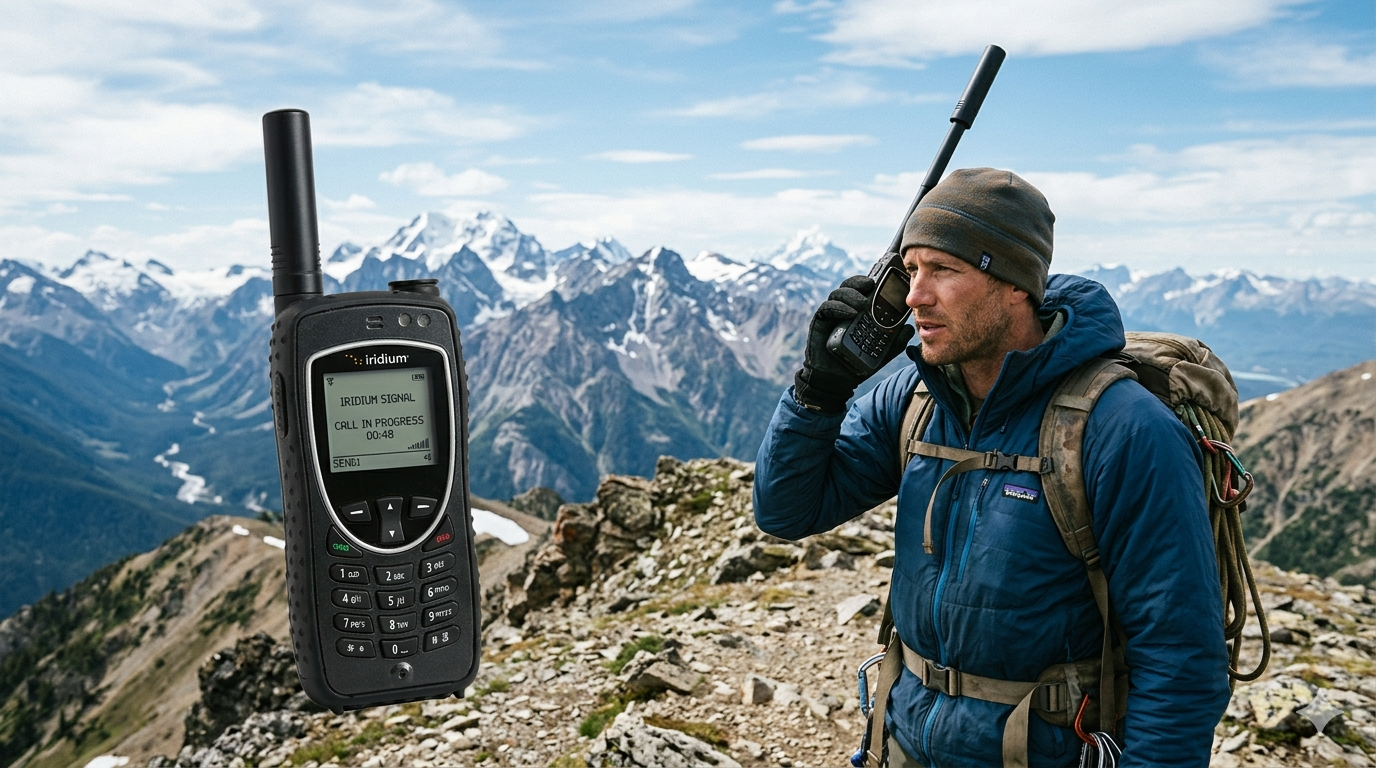
While regular smartphones operate using cell towers, satellite phones connect with satellites that are orbiting the Earth. It means that they can work from remote locations like mountains, deserts, and oceans where there is no coverage available.
Some examples of such devices are Garmin's inReach, which uses satellite connections, including Iridium, to communicate without the need for mobile coverage. This is why most of the satellite phones have external antennas and heavier construction.
The major satellite service providers across the globe are Iridium, Inmarsat, Thuraya, and Globalstar, each of which provides varying amounts of coverage around the world.
Also Read | LinkedIn Grads’ Guide 2026: 10 fastest-growing jobs every fresher in India should watch out for
The main point of distinction is the connectivity method, as smartphones require cell tower connectivity, while satellite phones communicate directly with satellites.