With digital payments on the rise through UPI, the government is also trying to solve a cash problem that refuses to go away: the lack of small-denomination currency. According to a report by Mint, New Delhi is exploring new methods to introduce ₹10, ₹20, and ₹50 denominations into general circulation, even as the country moves towards digital payments.
Hybrid ATMs under pilot testing
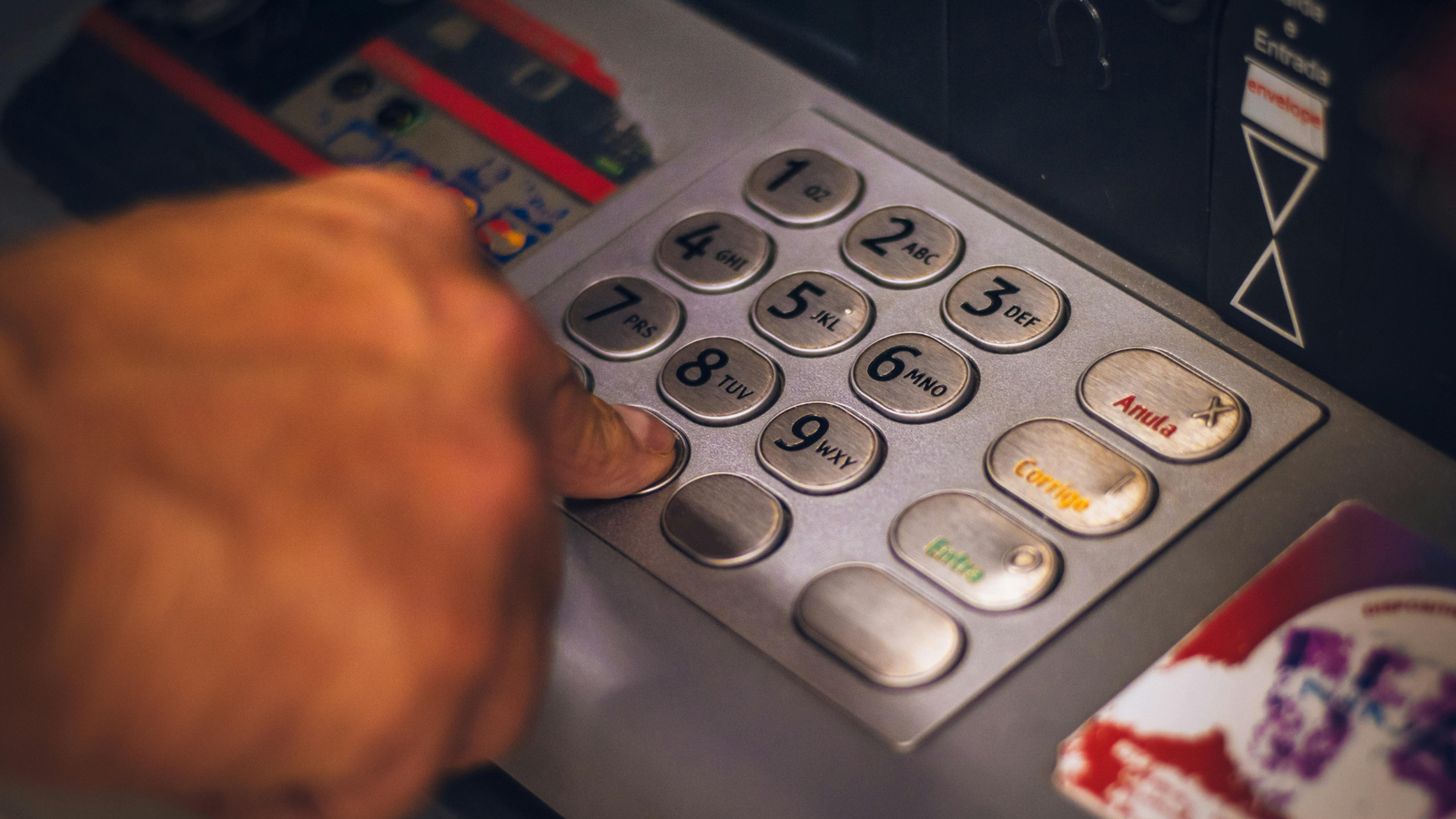
One of the key proposals on the table is the introduction of new ATMs that can dispense low-denomination currency, since most of the current ones are only capable of dispensing ₹100 and ₹500 denominations. There are also plans for Hybrid ATMs that can exchange high-denomination currency for lower ones.
“A prototype of low-denomination currency dispensing machines is currently being tested under a pilot project in Mumbai”, Mint quoted an executive as saying. If all goes well, “the system will be expected to be scaled up nationally”, with Hybrid ATMs targeting areas that are busiest, such as transport hubs, markets, hospitals, and government offices.
Also Read | Google is saving you data without you noticing it; here's how users can manage it
Push for printing more small notes
The proposal may also involve urging the Reserve Bank of India to print more small-denomination currencies. Even with UPI being as popular as it is, cash remains important for small purchases, particularly when you require change.
Public frustration over the lack of smaller notes has grown, with shopkeepers often struggling to provide change for ₹500 notes, which is the highest denomination in circulation.
Why cash still matters
The move is expected to benefit the informal economy and semi-urban and rural areas, where digital payment infrastructure can be inconsistent, and smartphone access is not universal. “Also, in rural settings, especially in interior parts, traders will have small volume and value of transactions per day,” Devendra Pant, chief economist at India Ratings & Research, told Mint, adding, “It is the government's responsibility and priority to improve ease of living.”
Also Read | Apple launches ‘Unity Connection’ watch band to mark Black History Month
Challenges and limitations
“The machines (Hybrid ATMs) alone cannot solve the problem unless backed by adequate supply”,, Mint quoted an anonymous bank executive as saying. “Printing, logistics, and recirculation of smaller notes will have to scaled up in parallel.”
There are also concerns about costs. Vivek Iyer, partner and financial services risk leader at Grant Thornton, told Mint that this initiative should “ideally be deployed at select locations only, as a large-scale rollout could prove uneconomical for banks.” “The right approach will be to apply these models where digital infrastructure is still evolving, so that currency availability is balanced with the maturity of digital payments.”