Ladakh's tourism boom is proving to be a double-edged sword. While visitor numbers are soaring, the famous Nubra-Pangong corridor is witnessing bumper-to-bumper traffic, leaving travellers stranded amidst stunning mountain vistas.
A video circulating on social media shows long queues of vehicles crawling along the narrow mountain road, highlighting the growing pressure on one of Ladakh's most visited tourist circuits.
According to a NDTV report, bumper-to-bumper movement has become common on sections where overtaking is difficult, turning what is usually a scenic drive into a lengthy and demanding journey.
Also Read | Beat the heat without breaking the bank: 5 simple tricks to keep your room cool
Best time to discover the timeless beauty of Ladakh is now, where himalayan peaks rise against blue skies, ancient monasteries echo centuries of culture, and surreal landscapes leave you awestruck at every turn.#Ladakh #IncredibleIndia #Itinerary #TravelIndia
— Ministry of Tourism (@tourismgoi) May 9, 2026
(1/4) pic.twitter.com/diajRSFA99
Growing Tourism Pressure
The congestion comes amid a tourism boom in Ladakh. Recent official figures revealed a significant increase in the numbers of visitors, highlighting the popularity of the region among domestic visitors.
Police and travel agencies recommend that tourists start their trips early in the morning and that their vehicles be well serviced before they embark on the high-altitude route, as well as planning for fuel supply.
Ladakh's growing popularity is reflected in the numbers. The Union Territory welcomed over 1.17 lakh tourists in the first five months of 2026, up nearly 44% year-on-year, while May emerged as a record-breaking month with 72,834 arrivals, according to the Chief Secretary of Ladakh.
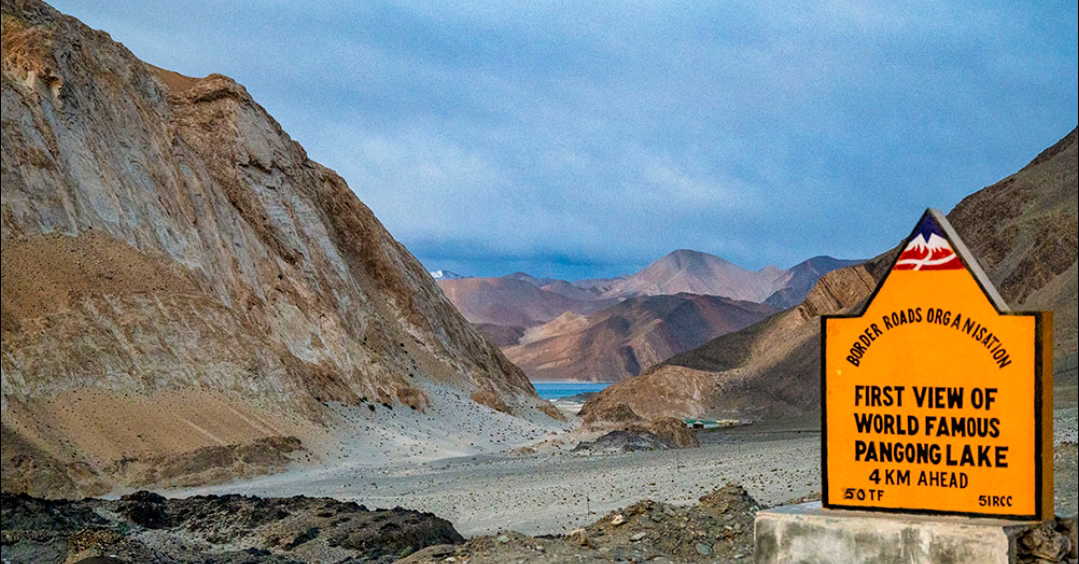
As thousands of travellers head to iconic attractions like Pangong Lake and Nubra Valley, the scenic Nubra-Pangong corridor is increasingly witnessing bumper-to-bumper traffic, turning a dream road trip into a test of patience.
The increasing foot traffic on the Nubra-Pangong road, especially with record numbers of tourists this year, is a testament to the importance of responsible travel planning and infrastructure development to maintain the visitor experience and protect the delicate mountain landscape.
🔥Ladakh Sees Record Tourism Boom in 2026
— Plus Point | India (@PlusPointIndia) June 6, 2026
📢🇮🇳Tourist arrivals in Ladakh surged 43.65% YoY during January–May 2026.
🔹Total Tourists (Jan–May 2026): 1,17,546
🔹Total Tourists (Jan–May 2025): 81,827
🔹May 2026 alone recorded 72,834 tourist arrivals.
Popular destinations like… pic.twitter.com/8p2VORtXhW
Impact on Vehicles
Extended traffic snarls at high altitudes can affect vehicle performance. Experts cite that prolonged idling may increase the risk of engine overheating, while frequent stop-and-go driving can accelerate clutch wear in manual vehicles and strain automatic transmissions. Motorcyclists may also face additional fatigue due to constant balancing and gear changes on uneven terrain.
This trail, which is famous for linking the scenic Nubra Valley to the popular Pangong Lake, has experienced a surge in tourists in recent years.
Bumper-to-bumper driving is not uncommon on stretches where overtaking is prohibited making the usually scenic drives into long and challenging ones.
Experts advise tourists planning a trip to Ladakh to start their journeys early, ensure their vehicles are properly serviced and carry sufficient fuel, especially when travelling through remote stretches. Drivers are also encouraged to maintain safe distances and avoid risky overtaking manoeuvres on mountain roads.
Also Read | Can an ancient Japanese philosophy cure modern dating burnout?
FAQs
Q1: Why is there heavy traffic on the Nubra-Pangong route in Ladakh?
Ans: A surge in summer tourists has overwhelmed the narrow roads between Nubra Valley and Pangong Lake, causing major traffic jams.
Q2: How can traffic jams on the Nubra-Pangong route affect vehicles?
Ans: High-altitude traffic jams can increase fuel consumption and put extra strain on a vehicle's clutch, brakes and engine. Experts advise servicing vehicles beforehand and starting early to avoid peak congestion.