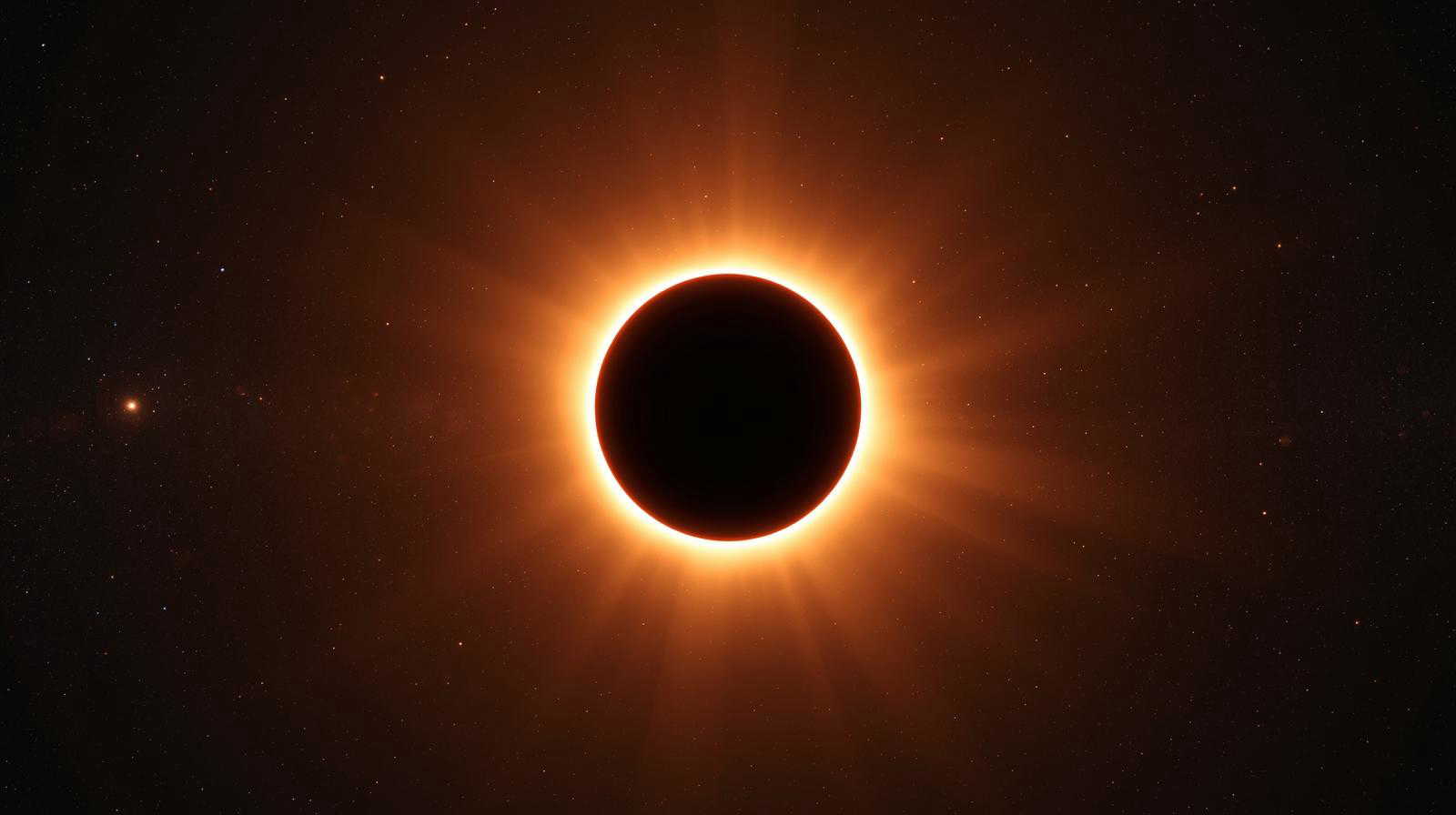
A rare celestial event is set to take place on February 17 when a rare annular solar eclipse, or “ring of fire,” is taking place. However, skywatchers in India will not be able to witness this event.
What is an Annular solar eclipse?
According to NASA, an annular eclipse occurs when the Moon is between the Sun and Earth and is near its far side. However, because it is on the far side, the Moon is a little further away from Earth and therefore appears smaller. Instead of total darkness, a bright ring of sunlight remains visible around the Moon’s silhouette, creating the striking “ring of fire” effect. During this eclipse, about 96% of the Sun’s centre will be covered, as reported by Space.com.
Will it be visible from India?
Unfortunately, the February 17 annular solar eclipse will not be visible from India. The path of annularity will pass over remote regions, limiting viewing opportunities.
Eclipse meteorologist Jay Anderson noted on his website Eclipsophile.com that only "a few people will view this eclipse from within the annular zone." "It's a challenge to reach, and there are only two inhabited locations within the annular shadow, neither of which is set up to welcome tourists."
Where will it be visible?
The annular phase will primarily be visible from parts of Antarctica, including research stations such as Concordia and Mirny.
In southern Africa, countries including South Africa, Tanzania, Zambia and Zimbabwe are expected to experience partial visibility. Parts of Argentina and Chile in South America will also see a partial eclipse.
Time and duration
The eclipse is scheduled to begin at 07:01 UTC on February 17, according to Forbes. The “ring of fire” phase is expected to last up to 2 minutes and 20 seconds at its maximum.
Also Read | Planning a mountain getaway? Head to Landour for timeless tranquility in lap of Mussoorie
Safety tips for viewing
Experts advise using ISO 12312-2 certified eclipse glasses or safe indirect viewing methods. Looking directly at the Sun, even during an eclipse, can cause serious eye damage. Ordinary sunglasses do not provide adequate protection.
For those outside the visibility zone, live streams from space agencies and observatories may offer a safe way to follow the event.