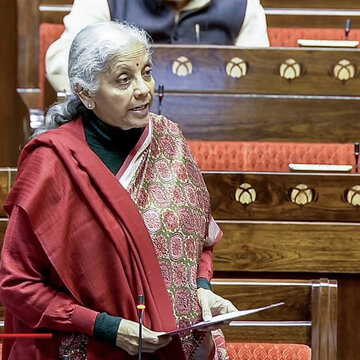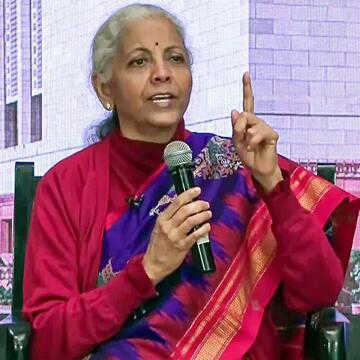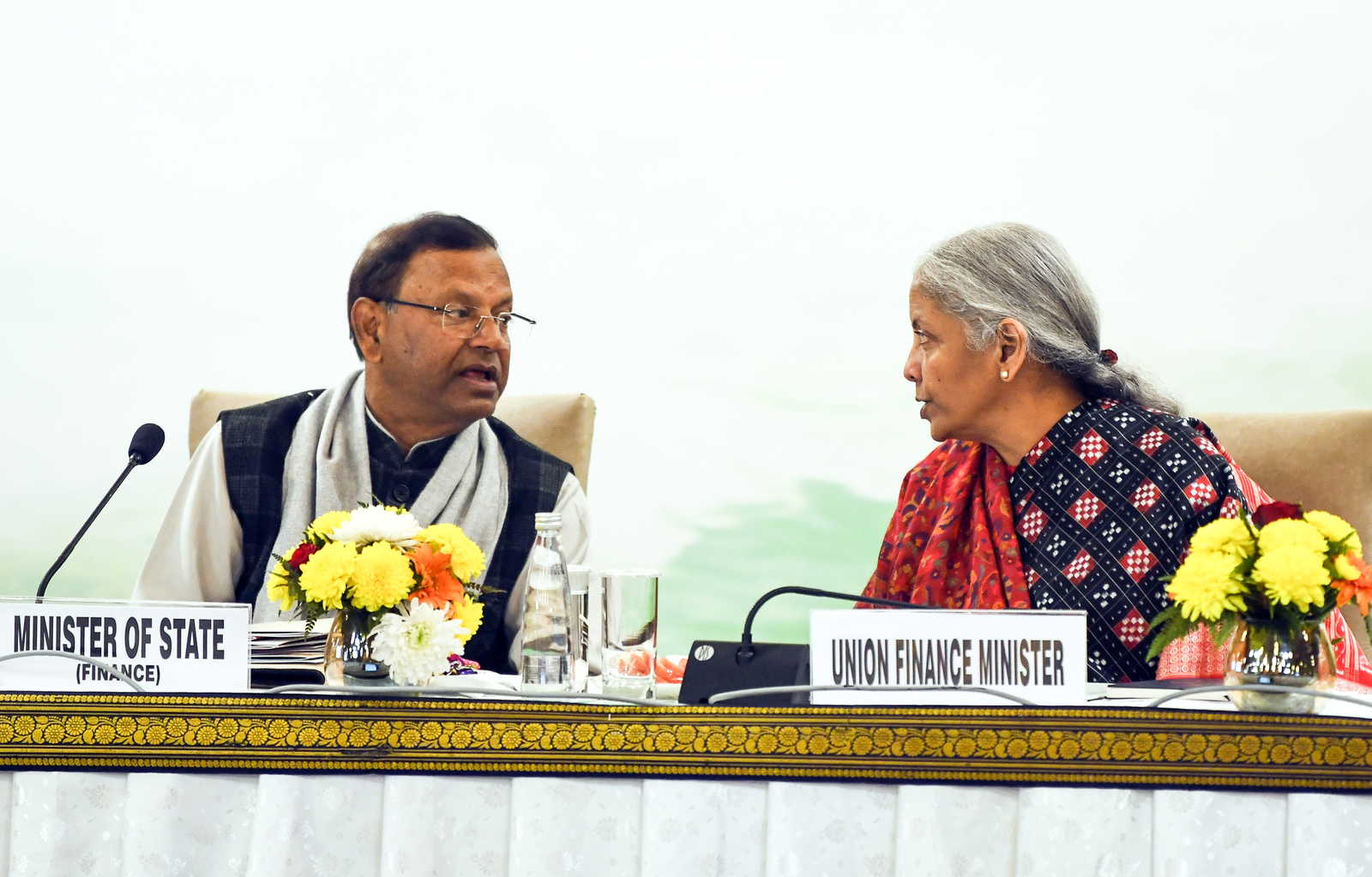
Finance Minister Nirmala Sitharaman will present the Union Budget 2026 in Parliament on February 1.
While the Budget speech gets the spotlight tomorrow, the process of deciding how money is distributed across ministries and schemes begins months in advance and follows a detailed, step-by-step method.
Behind every allocation is a careful calculation to balance growth and financial discipline.
How the government decides allocations
Budget decisions are not made only on requests from ministries. The Finance Ministry evaluates proposals using four main factors-
First is the balance between capital expenditure and revenue expenditure.
Capital spending is prioritised because it helps to create long-term assets and boosts economic growth, unlike routine spending on salaries and daily expenses.
ALSO READ | Union Budget 2026: Revisiting India’s most iconic budgets
Second, the government looks at the estimated nominal GDP for the next financial year. Most Budget numbers are worked out as a percentage of GDP, taking both growth and inflation into account.
The third factor is the fiscal deficit target, which limits how much extra money the government can borrow and spend.
The fourth is past performance- schemes that have used funds well and delivered results are more likely to receive higher allocations.
The real math behind the Budget
Once the expected revenue is calculated, it is treated like 100 paise that needs to be divided. A large portion is already fixed. About 20 percent goes towards interest payments. Nearly 22 percent is shared with states as their portion of central taxes. Defence takes around 8 percent, while salaries and pensions are also largely non-negotiable. Only after these commitments are covered does the government know how much money is left for development schemes.
Early estimates
The process starts with early estimates. These include Budget Estimates for the coming year and Revised Estimates for the current year. They help spot trends and correct gaps. Revenue from taxes and other sources is calculated alongside spending plans to get a clear financial picture.
ALSO READ | Can you sell shares bought on Budget Day? Here’s what settlement rules say
Ministry scrutiny
Ministries submit their proposals to the Finance Ministry. These are checked to see if they fit within available resources and match broader economic goals. Several rounds of discussions follow, where demands are examined and justified.
Final approvals
After drafting allocations, unresolved issues are sent to the Union Cabinet or the Prime Minister, whose decisions are final. At the same time, revenue forecasts are prepared by tax authorities. Once approved, the Budget goes for printing, marked by the traditional halwa ceremony.
Budget presentation
On February 1, the Finance Minister presents the Budget in Parliament. In an election year, an interim Budget may be presented first, followed by a full Budget later.
Implementation
After parliamentary approval, funds are released to ministries. Schemes are rolled out, and new tax measures come into effect, guiding government spending for the year ahead.
Union Budget is the result of months of planning, calculations and negotiations. The step-by-step process ensures that public money is spent carefully and in line with the government’s priorities.