West Bengal’s prolonged pre-poll dry spell is reportedly set to deliver a heavy blow to the state’s liquor and hospitality industry, with total projected losses estimated to cross Rs 1,400 crore over the restricted period.
Revenue freeze across 5,000 outlets
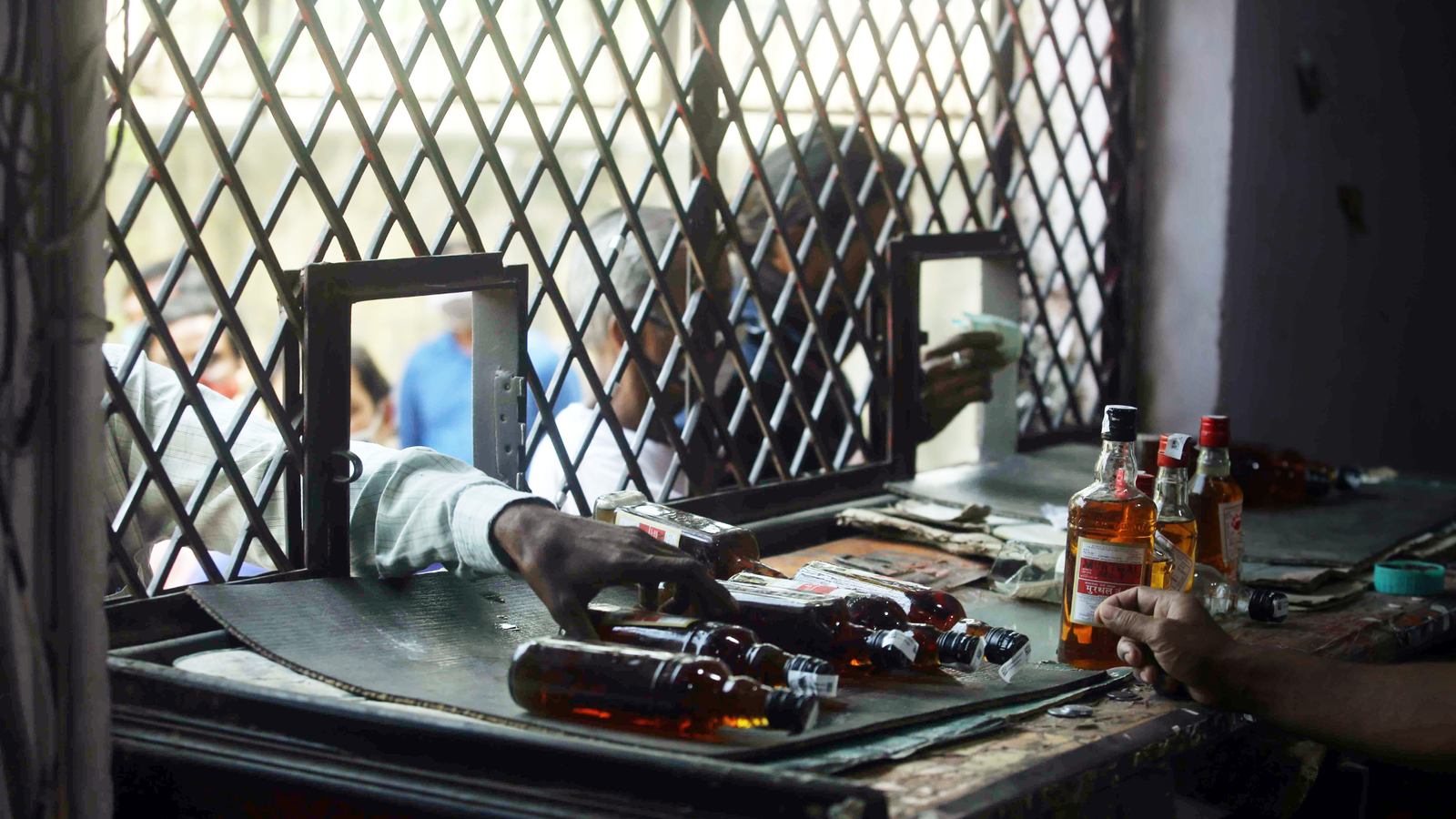
The state boasts close to 5,000 bars/off-shops from which Rs 80 crore to Rs 90 crore is collected each day. The closure of liquor shops during these nine-and-a-half days would mean an almost complete stoppage of the constant income source for businesses operating in these shops.
For many establishments, especially smaller outlets, the halt in operations translates into immediate cash flow stress, given the absence of alternative income during the enforced dry days.
Also Read | Surprise liquor ban leaves Kolkata bars, shops and drinkers high and dry
Kolkata accounts for bulk of losses
The financial blow is anticipated to hit hardest in Kolkata, where an estimated contribution of around Rs 900 crore towards the losses can be anticipated. As a result of being the major consumer centre of the state, it is obvious that the city would record maximum sales in both the retail alcohol and hospitality sectors.
The shutdown during a peak demand window has amplified the scale of disruption, particularly for bars, restaurants and standalone liquor shops concentrated in urban clusters.
Also Read | West Bengal elections: India–Bangladesh border in Cooch Behar shut, district under prohibitory orders
Industry braces for setback
The extended suspension comes at a time when the sector relies heavily on consistent daily sales. With nearly 10 days of halted business, the cumulative losses reflect not just missed transactions but also the broader slowdown across the hospitality chain.
From inventory stagnation to reduced customer footfall, the ripple effect is expected to be felt well beyond the immediate dry period, adding pressure on an industry already sensitive to regulatory shifts.