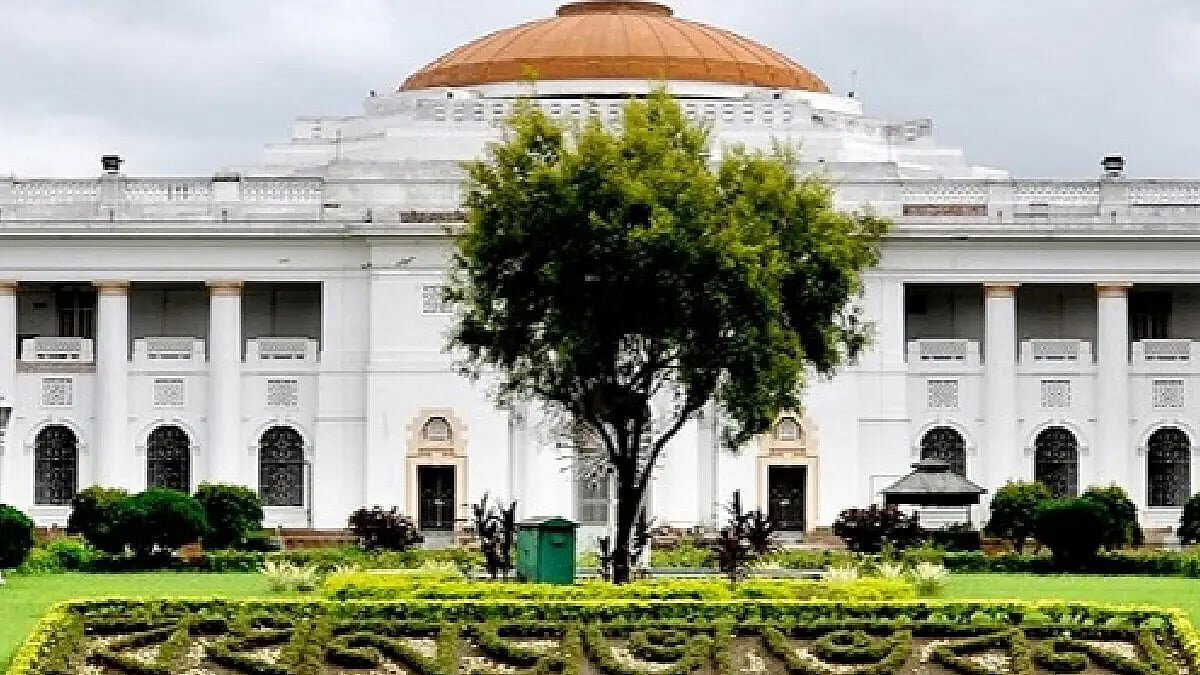
The West Bengal Legislative Assembly has been formally dissolved after Governor R N Ravi exercised powers under Article 174 of the Indian Constitution following the expiry of the Assembly’s term.
An official directive stated that the Assembly stands dissolved with effect from May 7 under sub-clause (b) of clause (2) of Article 174.
With the dissolution of the Assembly, the state cabinet or Council of Ministers — has also ceased to exist. As a result, Mamata Banerjee is no longer the Chief Minister of West Bengal.
Also Read | ‘My political journey ends here’: Raj Chakraborty announces exit from politics with emotional post
What is Article 174
Article 174 of the Constitution gives the Governor the authority to summon Assembly sessions, prorogue proceedings and dissolve the House under specific circumstances.
Under the same constitutional provision, the Governor can discontinue an Assembly session without dissolving the House. However, when the term of the Assembly expires, the Governor can formally dissolve it.
 ANI
ANI The development comes amid an ongoing political confrontation following the recently concluded Assembly elections in West Bengal.
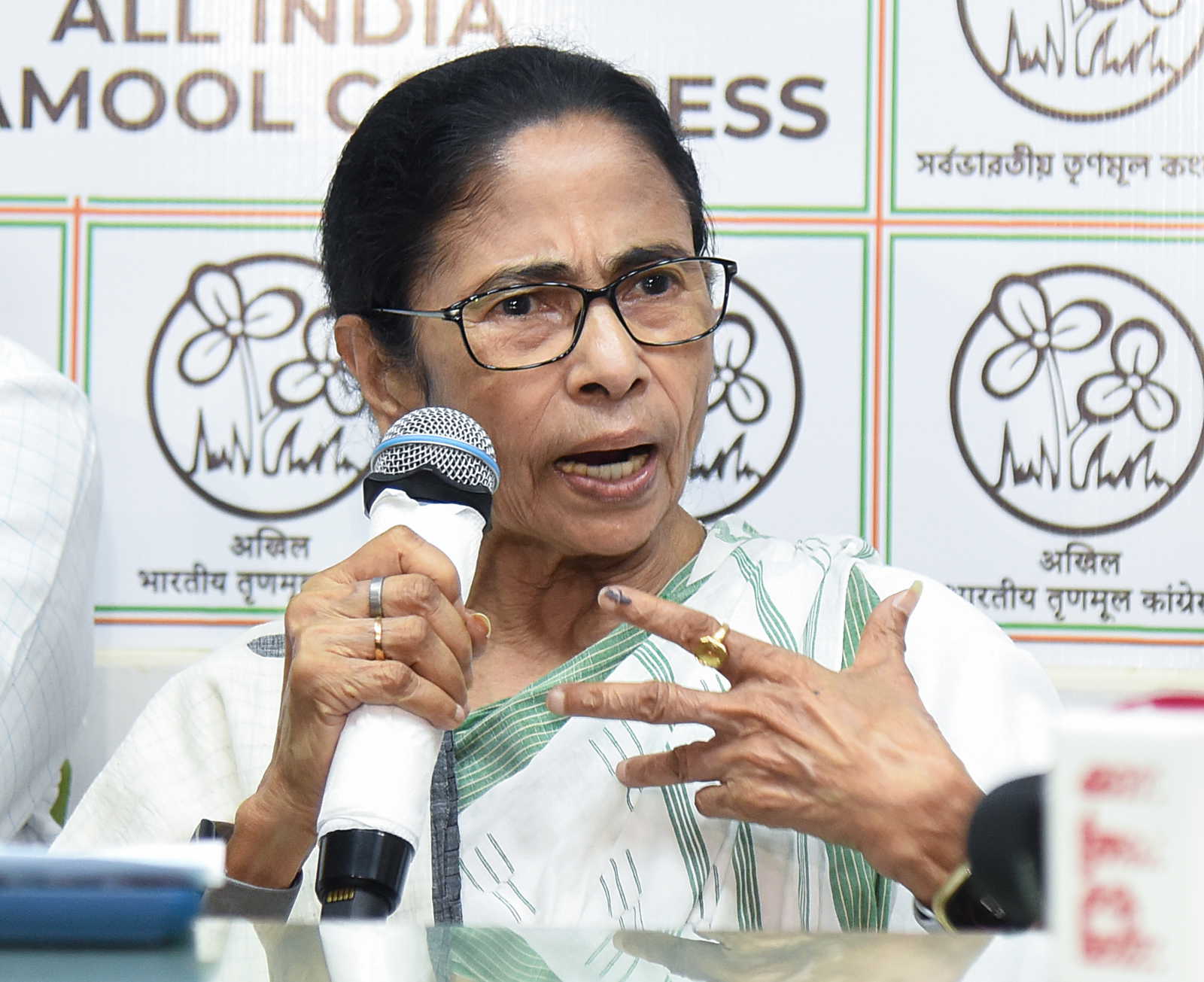
Mamata Banerjee had earlier said she would not resign from the Chief Minister’s post despite the election outcome. She alleged that the elections were conducted unfairly and claimed there had been irregularities during vote counting.
Also Read | Hooghly college sees mass TMCP resignation, ABVP draws line on leadership roles
She had also announced plans to move the Supreme Court with multiple complaints related to the counting process. Her statements had triggered questions over how a new government would be sworn in if the sitting Chief Minister refused to resign.
The Governor’s decision to dissolve the Assembly has now formally cleared the constitutional path for the formation of a new government in the state.