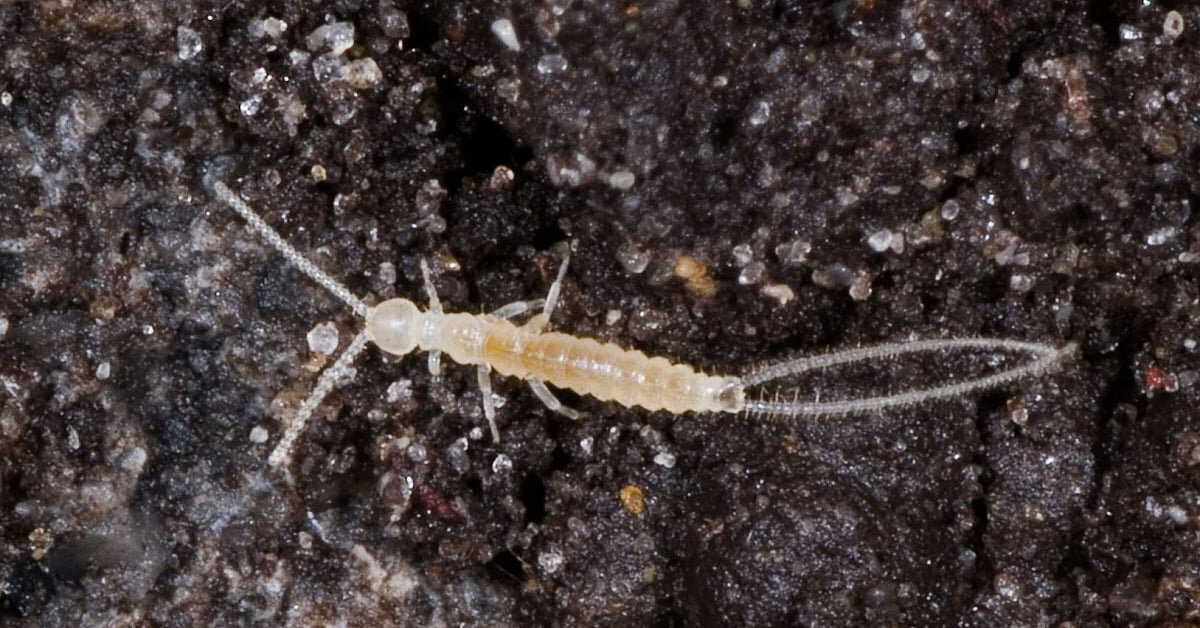
Researchers from the Zoological Survey of India (ZSI) have once again set a new precedent in Indian zoological research. Recently, scientists from the organisation have discovered a new species of animal called 'Diplura' from Kurseong in North Bengal. This discovery is being considered a 'historic milestone' in the field of Indian entomology research. The discovery of this wingless, soil-dwelling small arthropod species named 'Lepidocampa sikkimensis' is extremely significant. This is the first time an Indian research team has named a species from this primitive 'hexapod' group.
First Indian DNA barcode data for Lepidocampa
Besides Kurseong, this species has also been found in Rabangla, Sikkim. For the first time, DNA barcode data of an Indian 'Lepidocampa' species has been presented to the world. ZSI has announced that a research paper on this discovery has already been published in the international taxonomy journal 'Zootaxa'. In that article, ZSI stated that this has ended the drought in Indian 'Diplura' research spanning nearly five decades. Previously, while 17 species of this group were found in India, each of them was discovered by foreign researchers.
Also Read | Balagarh’s 400-year-old boat industry in Bengal likely to get GI tag by April, artisans hope for revival
ZSI Director Dhriti Bandhyopadhyay, explaining the importance of this success, said, 'The discovery of 'Lepidocampa sikkimensis' is extremely important for documenting India's soil biodiversity. Research on Diplura, an important yet little-known animal group, is essential for understanding ecosystem functionality. This success once again proves how necessary taxonomic practice is in vast biodiversity hotspot areas like the Himalayas.'
ZSI has informed that the research team led by zoologist Surajit Kar included members Souvik Majumdar, Pritha Mandal, Gurupad Mandal and Kusumendrakumar Suman. They identified this species from specimens collected near Rabangla in Sikkim. Later, this species was also found in Kurseong, Bengal. This shows that they have a distribution across the Eastern Himalayas.
Also Read | Who is Sarita Yolmo? First woman TTE on Darjeeling's iconic toy train line
Why Diplura matter
Researchers have stated that the scale arrangement and special structure of the appendages of this species help distinguish it from all other species in this group. 'Diplu' is a type of six-legged creature. Their role in maintaining soil fertility and health is immense. They play important roles, especially in maintaining nutrient cycles and preserving soil structure.