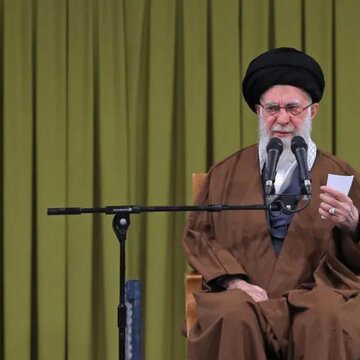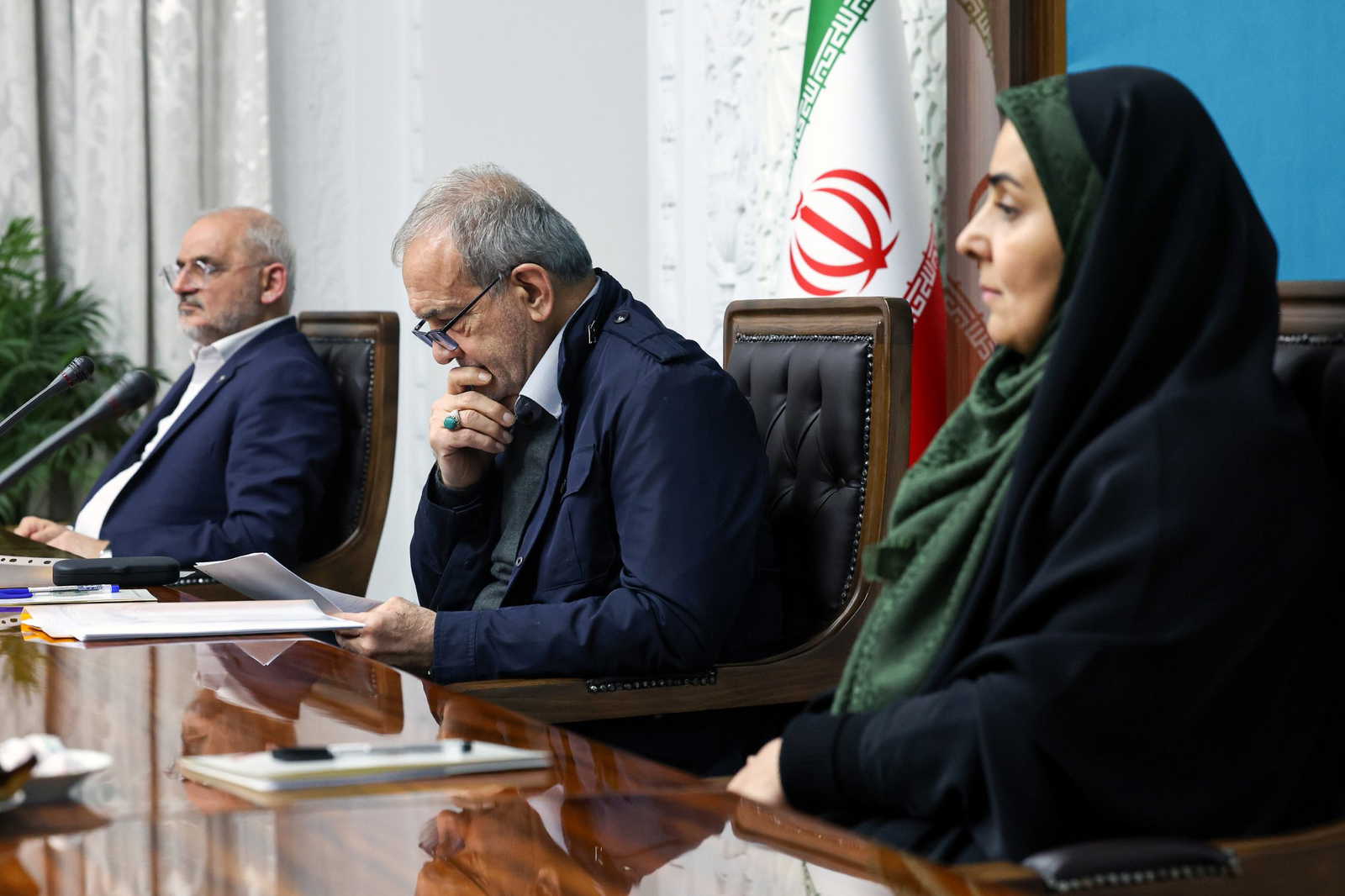
Iranian President Masoud Pezeshkian has sharply criticised Israeli Prime Minister Benjamin Netanyahu, accusing him of altering his rhetoric depending on the audience he is addressing. In remarks that reflect the deepening war of words between Tehran and Tel Aviv, Pezeshkian claimed Netanyahu presents different narratives to different regions, framing Iran in contrasting ways for domestic, American and Iranian audiences.
Iran accuses Netanyahu of shifting narratives
Speaking about the issue, Masoud Pezeshkian alleged that Benjamin Netanyahu uses what he described as “deception based on the geography of the audience”.
According to Pezeshkian, Netanyahu’s tone and messaging vary depending on whom he is addressing. When speaking to Iranians, the Israeli leader portrays himself as a defender of freedom, the Iranian president said.
However, Pezeshkian argued that when Netanyahu addresses his domestic audience in Israel, he allegedly uses much harsher rhetoric. He claimed Netanyahu refers to Iranians as “Amaleks”, a reference drawn from the Bible that historically describes a tribe associated with irrational evil.
The Iranian president suggested such language is used to frame Iran in strongly negative terms for Israeli audiences and to strengthen political narratives against Tehran.
Also Read | What is a Blue Sparrow? Israeli missile that killed Iran's Supreme Leader Ayatollah Khamenei
Netanyahu in three frames:
— Masoud Pezeshkian (@drpezeshkian) March 6, 2026
To Iranians, he speaks of “freedom”.
To Americans, he warns of Iran's “nuclear threat".
To his Zionist audience, he calls Iranians "Amaleks".
Deception based on the geography of the audience!
‘Nuclear threat’ rhetoric aimed at US audiences
Pezeshkian further claimed that Netanyahu’s messaging shifts again when he addresses audiences in the United States.
According to the Iranian president, Netanyahu often highlights what he describes as the threat of Iran’s nuclear programme when speaking to American policymakers and the public. Pezeshkian argued that this narrative is intended to shape US opinion and maintain international pressure on Tehran.
Tensions between Iran and Israel have remained high in recent years, particularly over Tehran’s nuclear programme and regional security issues. Israeli officials have repeatedly warned about the potential risks posed by Iran’s nuclear activities, while Iran maintains that its nuclear programme is intended for peaceful purposes.
Also Read | CBSE cancels Class 10 exams, postpones Class 12 tests in Middle East — full details here
Pezeshkian’s remarks underline the continuing political and diplomatic confrontation between Iran and Israel. As both sides trade accusations over security threats and international narratives, the dispute continues to shape regional tensions and influence global discussions on Iran’s nuclear programme and Middle East stability.