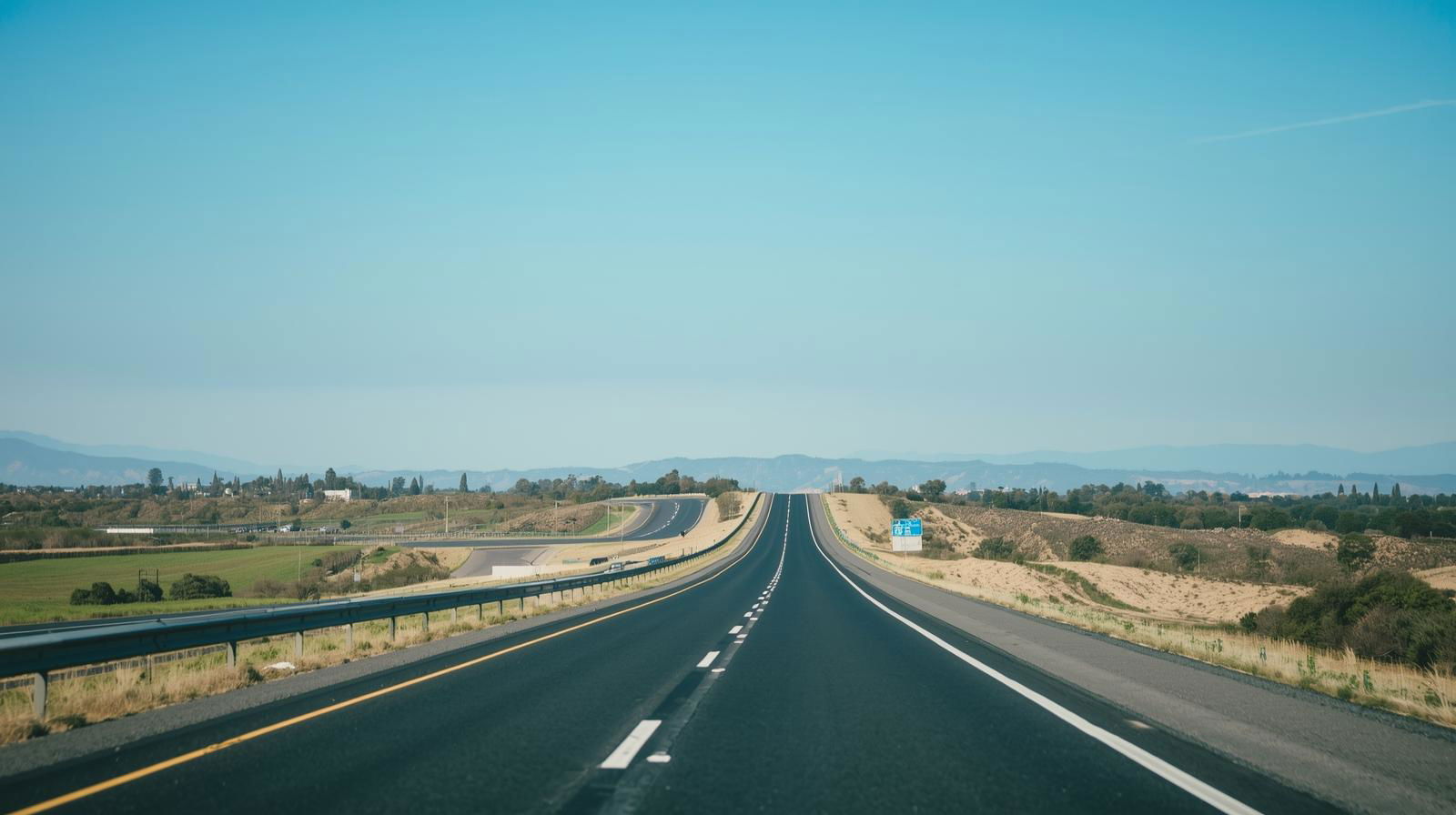
Travellers departing Delhi for neighbouring states could soon experience a significant boost in convenience and speed. These high-capacity corridors are poised to transform road travel across north and west India by cutting journey times, improving safety and reducing congestion. With final touches underway, authorities are gearing up for full operational rollout in the coming months.
Faster routes to the north and west
According to News 18, the first of the two is the Narela–Kathgodam Expressway (part of the larger Delhi–Dehradun Expressway network), which will vastly improve connectivity between the national capital and Uttarakhand. Officials say the project will slash travel times to popular destinations such as Dehradun, Rishikesh and Haridwar, making weekend trips and long-distance travel more seamless for residents of Delhi and surrounding regions. Enhanced road quality and dedicated service lanes are expected to ease movement for both private vehicles and buses.
The second is the Eastern Peripheral Expressway 2 (EPE-2). It is an extension of the existing ring, designed to streamline traffic movement around the capital by diverting long-distance trucks and heavy vehicles away from urban arteries. This strategic corridor will connect key industrial belts and logistics hubs, offering a faster alternative for freight and passenger traffic destined for Punjab, Haryana and beyond.
Authorities from the National Highways Authority of India (NHAI) confirmed that both expressways are in advanced stages of completion, with final tests, landscaping and safety assessments in progress. Officials hope to open them for public use later this year.
Also Read | Tanker carrying 10 Indians struck by Iranian drone boat near Iraq; no casualties reported
What it means for motorists
Reduced travel times: The new motorways are expected to cut travel durations significantly, potentially halving journeys that once took much longer on older highways.
Improved safety: Dedicated carriageways, improved signage, rest areas and better lighting will enhance road safety, especially during night travel.
Less urban congestion: Diverting heavy vehicles away from city routes will help decongest major urban corridors, easing travel for daily commuters within Delhi.
Local transport associations have welcomed the development, noting that the expressways will help decentralise traffic flow and support economic activity in smaller towns and districts en route.
Also Read | 'After this video, I may disappear’: UK07 Rider Anurag Dobhal’s emotional vlog sparks concern
With infrastructure easing travel between Delhi and key regions in the north and west, these mega expressways promise a major leap forward for road connectivity. As the projects near their final stages, motorists are looking forward to more efficient journeys, safer roads and greater convenience, a welcome improvement for both intercity travel and freight movement across northern India. Completion timelines are expected to be confirmed shortly as authorities finalise safety and readiness checks.