Fresh speculation about a possible power struggle within Iran's political establishment has prompted officials in Tehran to issue a strong denial after reports claimed President Masoud Pezeshkian had resigned over disagreements with the Islamic Revolutionary Guard Corps.
The controversy began when an overseas media outlet reported that Pezeshkian had allegedly submitted a resignation letter, arguing that the elected government had been sidelined in key wartime and national security decisions. The report quickly gained traction on social media and among observers of Iranian politics, given long-standing discussions about the influence of military and security institutions within the country.
Iranian authorities reject resignation claims
According to NDTV, Iranian officials have categorically denied the reports. According to Iranian state-linked sources, Pezeshkian remains in office and continues to perform his duties as president.
A senior official from the president's communications team also dismissed the claims, describing them as unfounded speculation. The official stated that the president remained committed to serving the Iranian people and had no intention of stepping down.
The denial was further reinforced by media outlets affiliated with the Islamic Revolutionary Guard Corps, which reported that no resignation had been submitted and that government operations were continuing as normal.
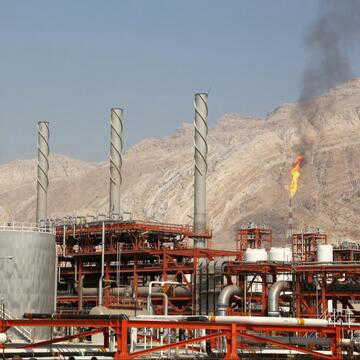
Also Read | Iran restores South Pars gas output at three platforms after Israeli strikes
What did the report claim?
According to NDTV, the original report alleged that Pezeshkian had become frustrated with what it described as the growing dominance of the IRGC in major policy decisions. According to the claims, the president believed that the elected government was increasingly excluded from important matters, making it difficult for him to effectively carry out his constitutional responsibilities.
The report also suggested that hardline factions had gained greater influence within Iran's decision-making apparatus, a claim that added to existing debates about the balance of power between elected institutions and security establishments.
However, no official evidence has been presented publicly to support the allegation, and Iranian authorities have rejected the report in its entirety.
Also Read | Trump demands Iran give up nuclear ambitions as ceasefire talks continue
Why the rumours gained attention?
According to NDTV, the claims gained traction partly because of previous reports examining Iran's internal power dynamics. International media outlets have often highlighted the influential role played by senior security officials and former IRGC commanders in shaping strategic decisions.
At the same time, Iran's political system remains complex, with authority distributed among elected bodies, religious leadership and security institutions. This structure has frequently fuelled speculation about tensions behind the scenes.