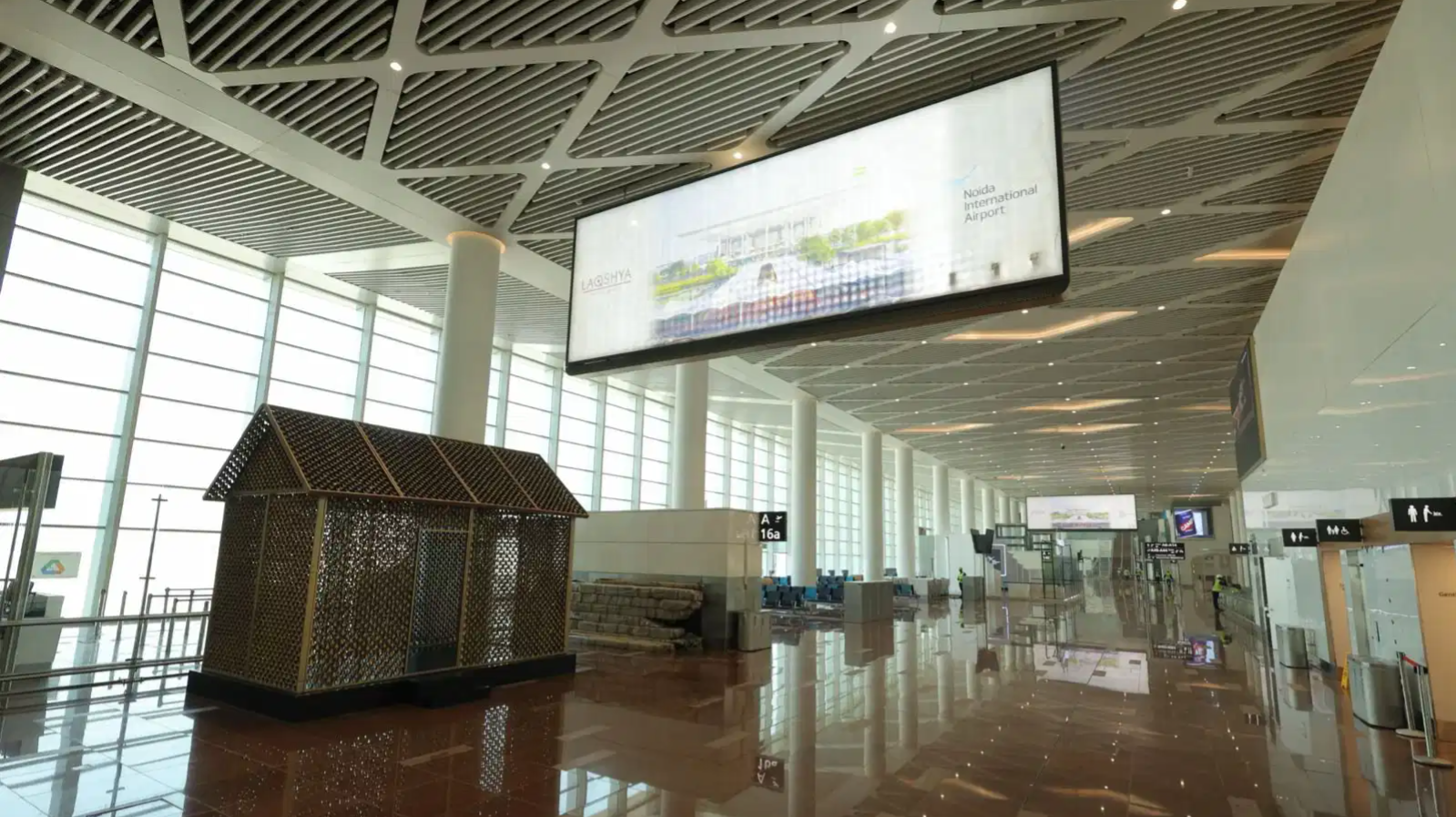
The next time you're tempted to film a cinematic runway shot or record a boarding gate vlog for social media, it may be worth thinking twice. Indian aviation authorities have begun enforcing long-standing restrictions on airport photography and videography more aggressively, particularly in sensitive operational areas and military-linked airports.
While travel content has become a staple of social media culture, authorities are increasingly concerned about videos inadvertently capturing security infrastructure, surveillance systems and operational procedures. What appears to be an innocent travel reel could potentially attract scrutiny if it reveals restricted areas.
Where is photography allowed and where is it not?
According to News 18, at most civilian airports, passengers can generally take photographs in public-facing areas such as departure halls, food courts, retail zones and arrival concourses. However, the rules become much stricter once travellers approach security checkpoints, boarding gates, aircraft handling areas, apron zones or the tarmac.
Authorities have made it clear that videos featuring operational procedures or security arrangements may be treated as violations even if the content creator had no harmful intent. In other words, claiming ignorance may not protect a passenger from action.
The restrictions stem from provisions under Rule 13 of the Aircraft Rules, 1937, which require permission for photography in certain airport environments.
Also Read | Rajya Sabha, Legislative Council polls announced: Voting on June 18 for 27 seats
Extra restrictions at defence-linked airports
According to News 18, the regulations are even tougher at airports that share infrastructure with military establishments. Locations such as Amritsar, Jammu, Srinagar, Jaisalmer and Goa's Dabolim airport fall into this category.
At these facilities, photography and videography are prohibited throughout significant portions of the travel journey, including while passengers are moving between terminals and aircraft, during taxiing, take-off and landing phases, and in areas where military infrastructure could be visible.
The stricter approach emerged after concerns that photos and videos posted online could unintentionally reveal sensitive military installations and operational layouts.
Also Read | Monsoon pushes deeper into India; heavy rainfall and hailstorm warnings issued
What happens if you break the rules?
According to News 18, consequences vary depending on the nature of the violation. Minor incidents may result in airport security personnel instructing passengers to delete footage immediately. More serious breaches can trigger fines, temporary confiscation of electronic devices or formal investigations.
In severe cases involving security concerns, authorities may recommend action under India's No-Fly List framework. Such penalties can lead to travel restrictions lasting several months or even years, depending on the severity of the offence.