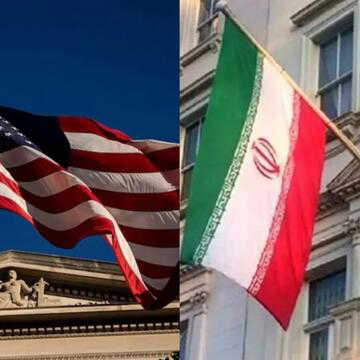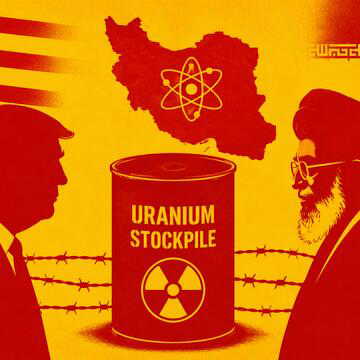
The United States and Iran have reached a preliminary peace agreement that could bring an end to more than three months of conflict, reopen the Strait of Hormuz and create a pathway for fresh negotiations on Tehran's nuclear programme.
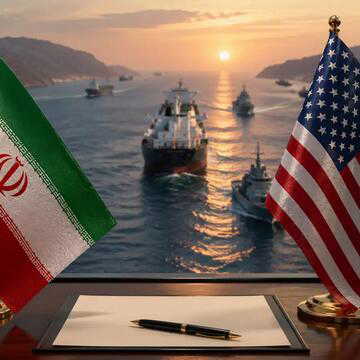
The framework agreement, announced through mediator Pakistan and later confirmed by officials in Washington and Tehran, is scheduled to be formally signed in Switzerland on June 19. While the full memorandum of understanding (MoU) has not been officially released, Iran's Mehr News Agency, quoted by News18, has published what it described as details of a 14-point draft agreement cited from a source close to Iran's negotiating team.
Iranian authorities have said the draft still requires review and approval by the country's relevant institutions.
Also Read | Trump declares US-Iran deal 'complete'; Geneva signing set for June 19
Ceasefire, Hormuz reopening and sanctions relief
Per the report, at the heart of the reported agreement is a “permanent and immediate" end to military operations on all fronts, including Lebanon. The draft also reportedly includes a US commitment to respect Iran's sovereignty and avoid interference in its internal affairs.
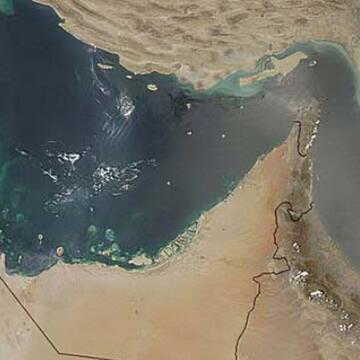
According to the reported provisions, the naval blockade would be lifted within 30 days, while US forces deployed around Iran would be withdrawn. Another major proposal involves reopening the Strait of Hormuz within the same period under arrangements overseen by Iran.
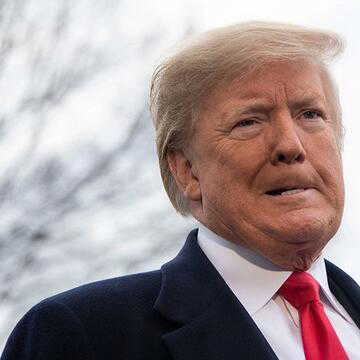
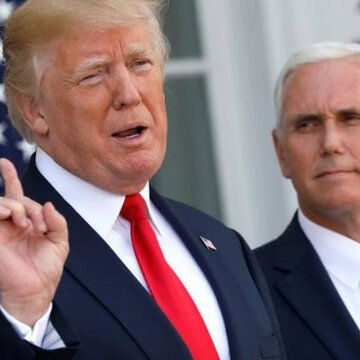
“The Deal with Islamic Republic of Iran is now complete. Congratulations to all!” President Donald J. Trump 🇺🇸 pic.twitter.com/RdSwyEdEtO
— The White House (@WhiteHouse) June 14, 2026
The agreement also outlines the suspension of sanctions on Iranian oil and petrochemical exports, along with the restoration of access to financial resources.
These measures follow a conflict that disrupted one of the world's most important energy routes and contributed to rising fuel prices and supply chain pressures across global markets.
Also Read | Trump turns White House into UFC arena for historic outdoor fight night on 80th birthday
Focus on nuclear negotiations
The draft proposes a 60-day negotiation period aimed at reaching a final agreement on Iran's nuclear programme, sanctions relief and related international restrictions.
Among the reported commitments is Iran's reaffirmation of its obligations under the Nuclear Non-Proliferation Treaty and a pledge not to produce nuclear weapons. During the negotiation period, the US would reportedly refrain from deploying additional forces to the region or imposing new sanctions.
Frozen funds and reconstruction plans
One of the most significant financial provisions involves the release of $24 billion in blocked Iranian funds during the 60-day talks, with half of the amount reportedly made available before negotiations begin.
The draft also mentions reconstruction proposals worth at least $300 billion from the US and its allies, the creation of a monitoring mechanism to oversee implementation, and eventual ratification of a final agreement through a United Nations Security Council resolution.
According to the reported framework, final negotiations would focus on uranium enrichment, enriched material, sanctions relief and economic reconstruction, while Iran's missile programme and support for resistance groups would remain outside the scope of the talks.
Also Read | Pentagon unveils new UFO files as mysterious orb sightings reignite public curiosity
FAQs:
When is the US-Iran peace agreement expected to be signed?
The framework agreement is scheduled to be formally signed in Switzerland on June 19.
What are the major elements of the reported 14-point deal?
The draft reportedly includes a ceasefire, Hormuz reopening, sanctions relief, release of frozen funds, nuclear negotiations and a monitoring mechanism.