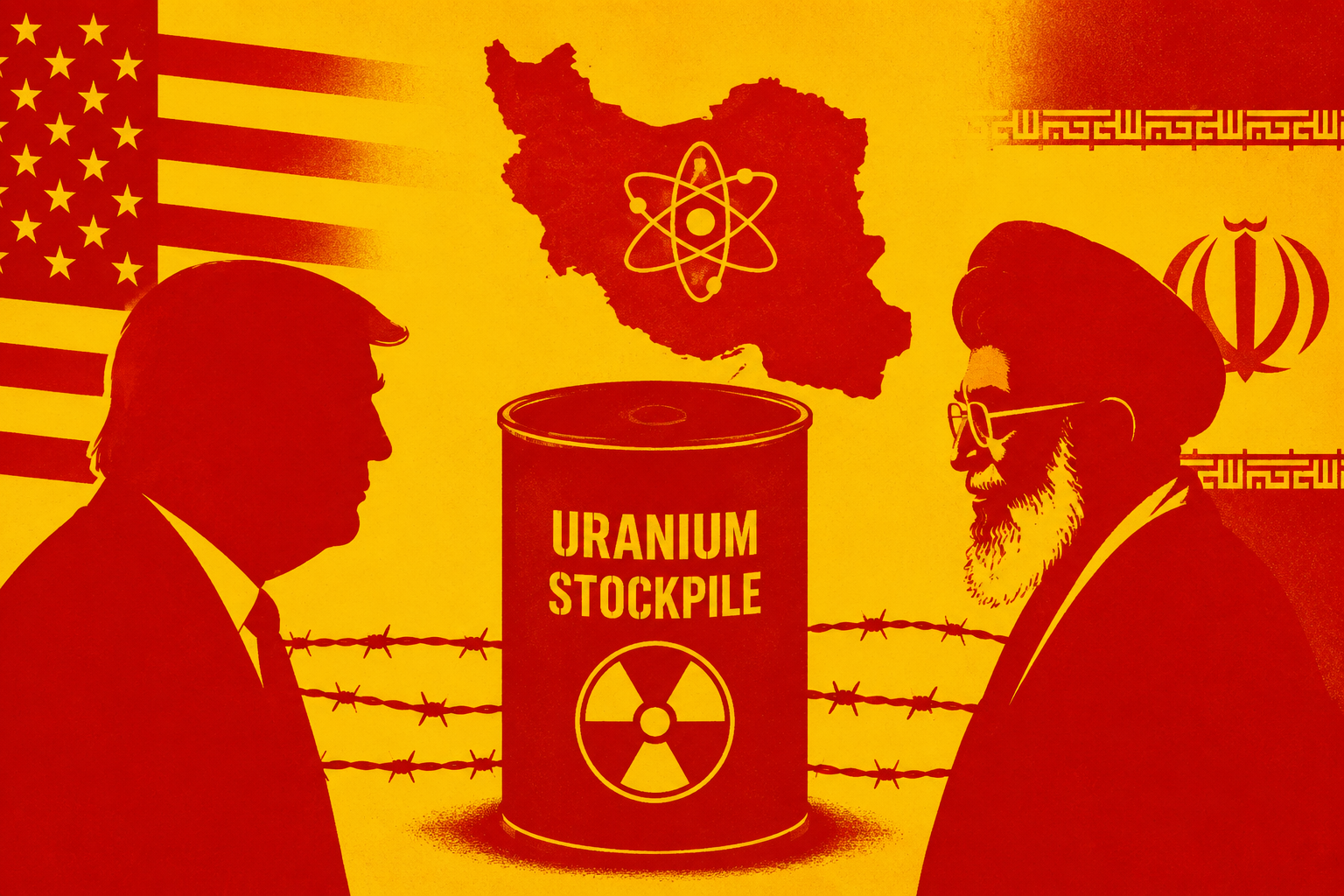
Iran’s stockpile of highly enriched uranium has become the most sensitive bargaining chip in its nuclear talks with the United States, as negotiators wrestle with what to do with material that is already far beyond civilian fuel levels.
The issue sits at the centre of the latest diplomatic push, with Iranian and American positions still sharply divided over whether the uranium should leave Iran, be diluted inside the country, or remain untouched.
Also Read | 107 days at sea: 562 Indian sailors remain stranded near the Strait of Hormuz amid ongoing crisis
🇺ðŸ‡ðŸ‡®ðŸ‡· Hegseth: The document says Iran will never have a nuclear weapon, won't seek one, won't buy one, won't have one.
— Rohitash Mahur ( Lodhi ) (@MahurRohitash) June 14, 2026
Brennan: JCPOA said that too.
Hegseth: (But but) The huge difference is we did this from a position of strength.
Reality: Iran is now in the same position from pic.twitter.com/vYkATxAE1j
A matter of percentages and peril
The International Atomic Energy Agency points out Iran had 440.9 kg of uranium enriched to 60% when Israel and the United States attacked Iranian nuclear facilities in June 2025.
That level is only a short technical step from weapons-grade material. IAEA yardsticks indicate that if the stockpile were enriched further, it could provide enough material for about 10 nuclear weapons.
The quantity reported was “about 440 kilograms", and the distance from 60% enrichment to weapons-grade is very small.
The whereabouts prove a trifle vexing
The fate of that stockpile remains unclear.
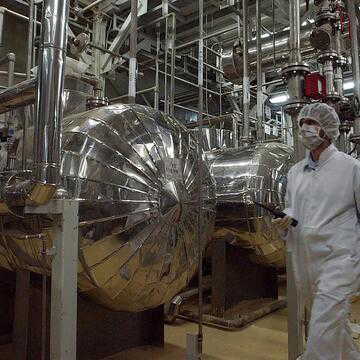
IAEA chief Rafael Grossi believes a bit more than 200 kg of the 60% material is stored in a tunnel complex at Isfahan that appears to have been largely unharmed by the June strikes, while some of the uranium is also believed to be at Natanz.
Senior Iranian sources said Supreme Leader Ayatollah Ali Khamenei had issued a directive that the material should not be sent abroad.
Iranian sources were discussing a possible compromise under which Tehran could send half of the stockpile to a third country in exchange for uranium enriched to 5%, while diluting the rest inside Iran.
🇮🇷🇺🇠Iran has announced its version of the agreement with the US
— Luis Miguel Villegas Silva (@LuisMig86192338) June 14, 2026
- Reuters reports this, citing an Iranian official.
- According to him, the memorandum includes:
- Immediate opening of the Strait of Hormuz by Iran and the lifting of the US naval blockade of Iran,
- The pic.twitter.com/3Yfe9XLIxP
Between compromise and conviction
That gap shows why the stockpile has become the hardest issue in the talks. On one side, Washington wants to remove a potential weapons pathway and lock in verifiable limits.
On the other, Tehran appears determined not to surrender a strategic asset outright, even as it signals room for partial dilution or transfer under tightly controlled terms.
Iranian sources described the uranium as Tehran’s strongest card, underscoring how central it has become to any deal that hopes to move beyond temporary de-escalation.
Also Read | Deal or delay? Trump says Iran deal to be signed Sunday, Tehran urges caution
FAQs
Q1: Why is Iran’s uranium stockpile important in the nuclear talks?
Ans: Iran’s stockpile of uranium enriched to 60% is a major point of contention because it is technically close to weapons-grade material and could influence the outcome of any nuclear agreement.
Q2: What are the proposed options for Iran’s enriched uranium stockpile?
Ans: Negotiators have discussed transferring some uranium abroad, diluting part of it to lower enrichment levels, or keeping it under stricter monitoring inside Iran.