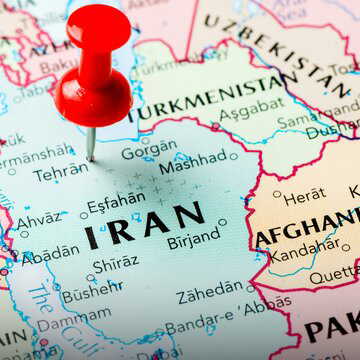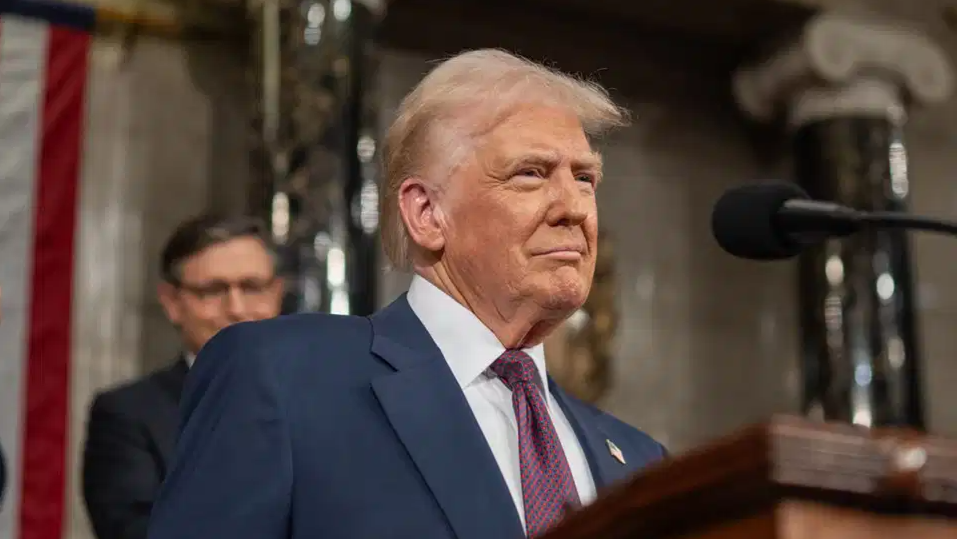
US President Donald Trump has claimed that Iran has agreed to hand over its stockpile of enriched uranium, signalling possible progress ahead of a second round of talks between Washington and Tehran.
Trump signals possible breakthrough
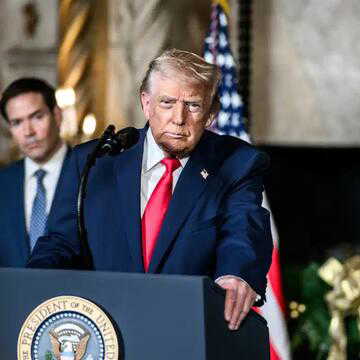
Speaking to reporters at the White House, Trump said the two sides may be close to a deal after weeks of tensions.
"They've agreed to give us back the nuclear dust," Trump told reporters at the White House, referring to the enriched uranium that the US says could be used to build nuclear weapons.
Also Read | 'This will be my 10th…': Trump announces ceasefire, but ground reality tells a different story
"There's a very good chance we're going to make a deal," he added.
Trump also suggested he might travel if an agreement is finalised in Islamabad, pointing to Pakistan's growing role in facilitating dialogue.
Focus on preventing nuclear weapons
Trump stressed that any agreement must ensure Iran never develops nuclear weapons.
"The big thing we have to do is make sure that Iran does not have a nuclear weapon, because if they do, you want to talk about problems – you'd have problems. So it is very important that Iran does not have a nuclear weapon, and they've agreed to that. Iran's agreed to that, and they've agreed to it very powerfully," he said.
He added, "They've agreed to give us back the nuclear dust that is way underground because of the attack we made with the B-2 bombers. So we have a lot of agreement with Iran, and I think something very positive is going to happen."
#WATCH | US President Donald Trump says, "...The big thing we have to do is we have to make sure that Iran does not have a nuclear weapon, because if they do, you want to talk about problems, you'd have problems. It is very important that Iran does not have a nuclear weapon, and… pic.twitter.com/c2rp3tVJkQ
— ANI (@ANI) April 16, 2026
Talks resume amid fragile momentum
The remarks come as Trump indicated that negotiations could resume soon. "You should stay there, really, because something could be happening over the next two days, and we’re more inclined to go there," he said in an interview with the New York Post.
Also Read | Why Iran’s frozen funds are central to US ceasefire talks
The first round of talks, held in Islamabad with mediation from Pakistan, ended without a formal agreement. A US delegation led by Vice President JD Vance met Iranian officials, but no breakthrough was achieved.
20-year freeze vs 5-year suspension
The central issue remains the duration of limits on uranium enrichment. Washington has proposed a 20-year freeze, while Tehran has indicated it could accept a five-year suspension.
Trump also warned that hostilities could resume if talks collapse, even as he noted Iran appears more flexible than it did two months ago.