The BBC has said on Wednesday that it will cut up to 2,000 jobs in the next two years to save money and deal with financial problems. This is one of the biggest job cuts at the UK’s national broadcaster in more than 10 years.
According to NDTV reports, the company wants to save about 10% of its yearly budget, which is around 500 million pounds, in the next two years. This decision has come because costs are rising and people are now watching content differently.
This news has worried many employees, as the job cuts are likely to affect different departments in the organisation.
Financial pressures behind the decision
The BBC has been dealing with what it described as "substantial financial pressures" for some time. Rising inflation, lower income from license fees, and a challenging global economy have all added to the problem as per Davies.
"I know this creates real uncertainty, but we wanted to be open about the challenge," interim Director-General Rhodri Talfan Davies said in a staff email.
Also Read | Your Walmart shopping list might get longer as 10,000 products get a new design
Major cuts planned over next years
The broadcaster had earlier planned to reduce about a tenth of its budget by 2029, but most of the cuts will now happen sooner. A large portion of the job reductions is expected in the financial year starting April 1, 2027.
These layoffs are the largest seen at the BBC in over ten years, showing the seriousness of the situation.
Leadership changes at BBC
The cuts are also happening during a time of leadership transition. Former Google executive Matt Brittin is set to take over as director-general from next month.
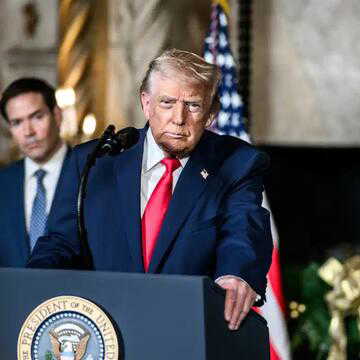
He will replace Tim Davie, while Deborah Turness has also stepped down following controversy around a documentary edit related to Donald Trump’s speech.
Debate over funding model
The BBC is mainly funded by a license fee paid by UK households, which recently increased to 180 pounds. However, this system has been widely debated in recent years.
Also Read | Prince Harry lands in legal trouble as charity he built files case against him
BBC funding and background
The BBC is a well-known but sometimes criticized organization. It is funded by a yearly license fee, which is now 180 pounds, paid by UK households that watch live TV or BBC content.
However, many people and companies are questioning this fee, especially now when more people use online streaming instead of traditional TV.
The Labour government has said it wants to make sure the BBC has "sustainable and fair" funding, but it may also change the current system in the future.
The BBC started in 1922 as a radio service to "inform, educate and entertain." Today, it runs many TV channels, radio stations, and digital platforms, including the iPlayer streaming service.
With the rise of digital streaming, many people are questioning whether the traditional funding model is still relevant. The government has promised "sustainable and fair" funding but has not confirmed any changes yet.
The BBC laying off jobs shows how traditional media companies are facing problems in today’s fast-changing digital world. As more people move to online platforms, it is becoming harder to earn money and run operations.
While the BBC is trying to secure its future, these job cuts will affect many employees and the media industry. The next few years will be important to see how the BBC adjusts to these changes.