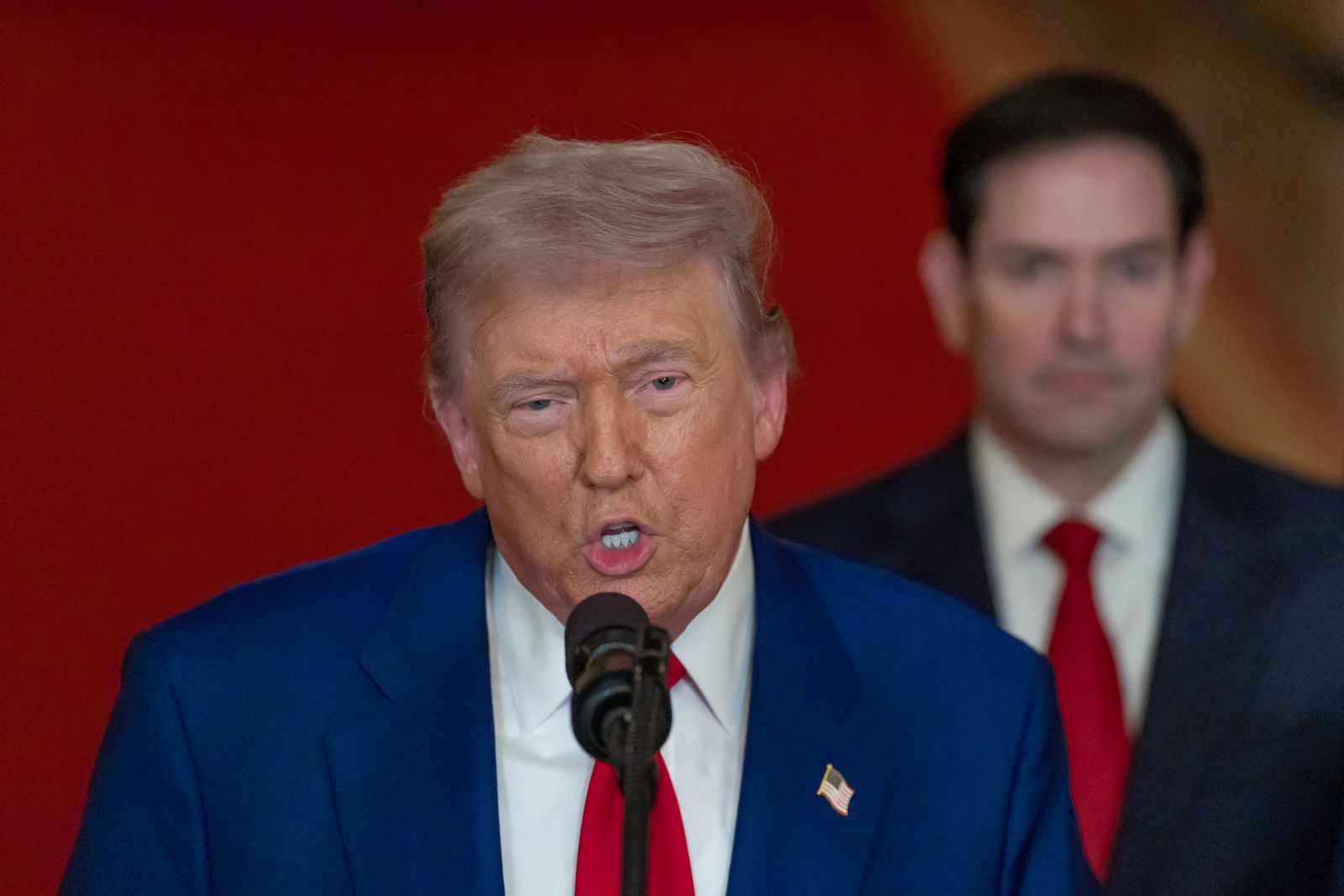
The Trump administration has dramatically expanded the US travel ban, signing a proclamation on December 16 that extends restrictions to 39 countries and territories from 19 that were announced earlier this year. The new policy will take effect on January 1, 2026, and is characterised by the White House as a strategy to harden national security and enhance vetting and information-sharing with foreign governments.
Full Travel Ban: 19 Countries + Palestinians
Under the expanded order, 19 countries now face a complete entry ban for nationals seeking both immigrant and non-immigrant visas.
Also Read | Donald Trump pitches ‘Gold Card’ visa, talks about Indian students at launch
The full ban covers:
New additions: Burkina Faso, Mali, Niger, South Sudan, Syria
Previously banned countries: Afghanistan, Myanmar (Burma), Chad, Republic of the Congo, Equatorial Guinea, Eritrea, Haiti, Iran, Libya, Somalia, Sudan and Yemen
Persons travelling on documents issued by the Palestinian Authority are also prohibited; these individuals are inadmissible to the United States.
This brings to 19 the number of countries for which a complete travel prohibition has been issued, with the Palestinian Authority being treated similarly to a country ban.
Partial travel bans
In addition to the full bans, the proclamation imposes partial restrictions on 20 other countries. These typically limit the issuance of immigrant visas and many nonimmigrant visas (like tourist, student, work and exchange visas), but do not constitute an outright travel ban:
New partial restrictions: Angola, Antigua and Barbuda, Benin, Côte d’Ivoire, Dominica, Gabon, Gambia, Malawi, Mauritania, Nigeria, Senegal, Tanzania, Tonga, Zambia and Zimbabwe
Ongoing partial bans: Burundi, Cuba, Togo, Turkmenistan and Venezuela
These bans also extend to countries participating in upcoming international events, including the FIFA World Cup, an event for which the administration cited concerns over adequate vetting.
Also Read | Who is Mustapha Kharbouch? Social media speculation rises as Brown University shooting case unfolds
Exemptions and controversy
Certain travellers are exempt, including green card holders, diplomats, and some athletes or visitors serving US interests. As per a report by the Hindustan Times, critics say that the expanded restrictions disproportionately affect poor countries and regions with limited security infrastructure. Supporters from the administration call the move a necessary national security measure.
The latest expansion is an addition to earlier bans, announced in June when 12 countries faced total bans, and seven others were allowed in but with partial restrictions. With this expanded list, to 39 countries, the administration describes the restrictions as reflecting its “continued effort to ensure safe and secure entry to the United States.”