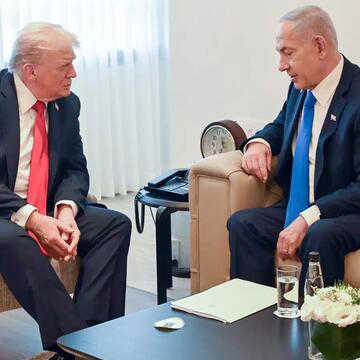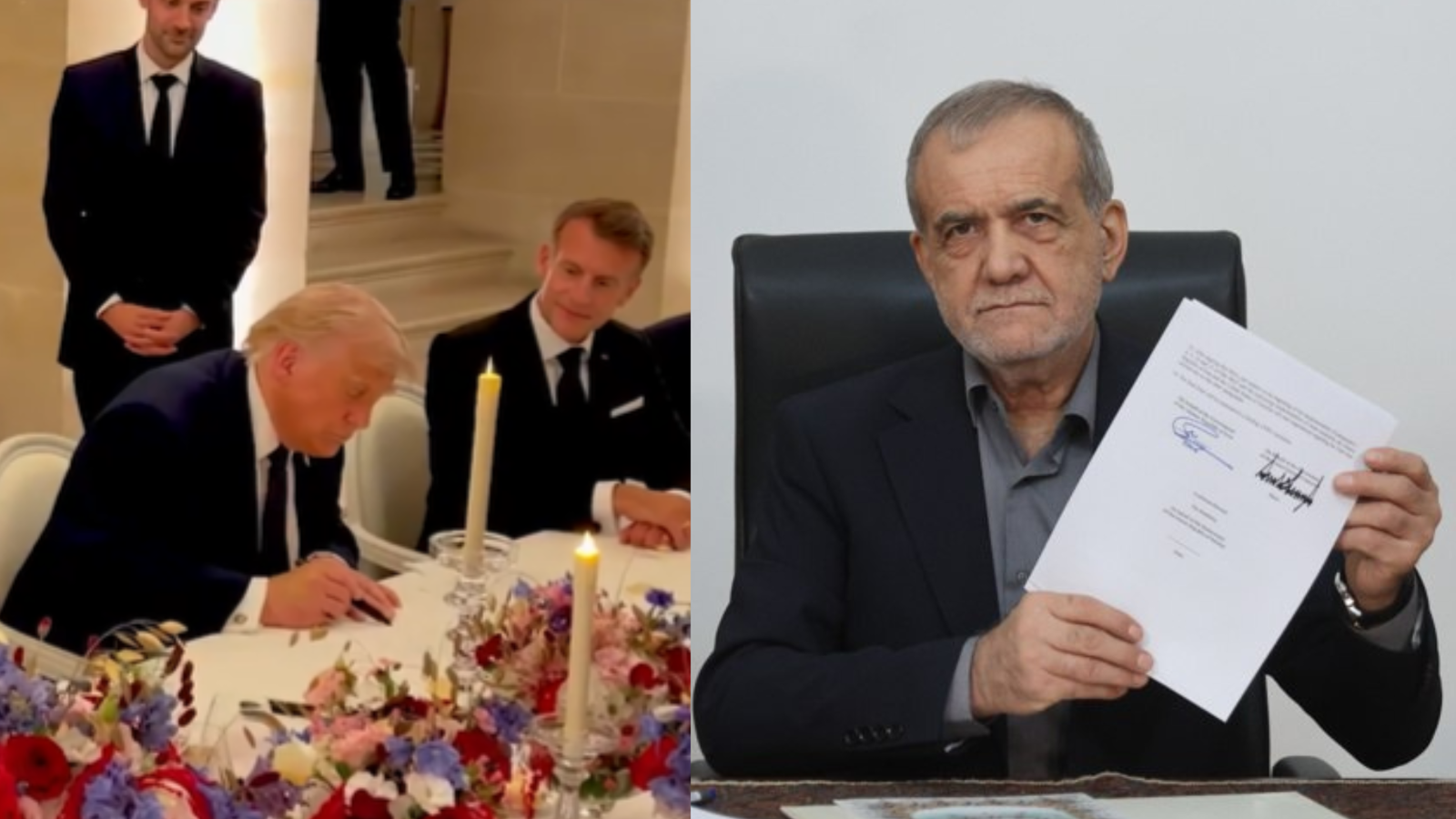
After weeks of speculation, the United States and Iran have formally signed a peace memorandum that outlines the first steps towards ending the latest conflict between the two countries and negotiating a broader settlement.
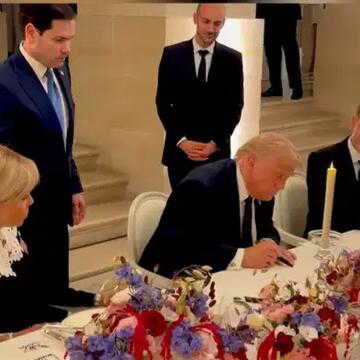
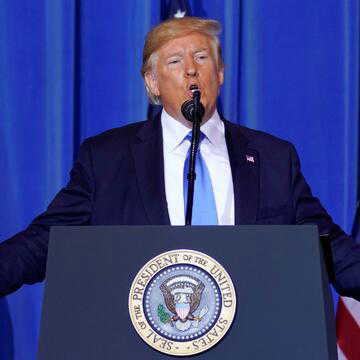
Signed by US President Donald Trump on the sidelines of the G7 Summit in France, the document is not a final peace treaty. Instead, it creates a 60-day window for negotiations aimed at turning the memorandum into a legally binding agreement.
Hostilities halted and sovereignty recognised
The first provision of the agreement, per a release by the White House, brings an immediate end to military hostilities between the United States and Iran, including conflict-linked theatres such as Lebanon. Both countries have committed to refrain from threatening or using force against each other in the future.
The memorandum also includes a pledge by both sides to respect each other's territorial integrity and political independence, laying down a basic diplomatic framework for future talks.
Also Read | Trump confirms signing of US-Iran peace deal in Versailles
Strait of Hormuz to reopen
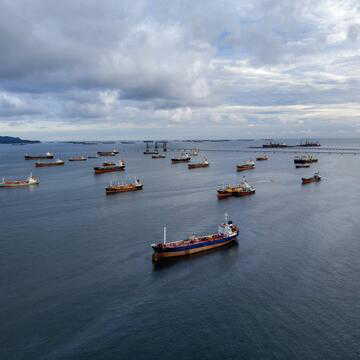
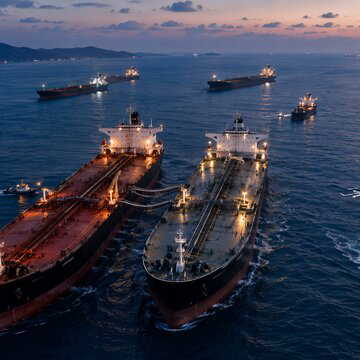
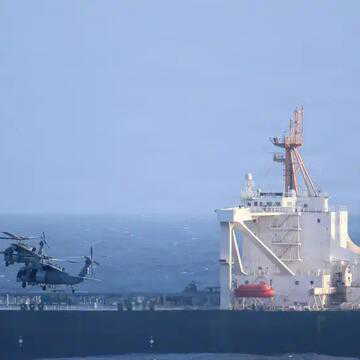
Among the most significant provisions is the reopening of the Strait of Hormuz, one of the world's most important energy shipping routes.
Under the agreement, the United States will end its naval blockade linked to the conflict and withdraw military assets deployed specifically for the confrontation. Iran, in turn, has agreed to restore unrestricted commercial shipping through the strait. Both sides will work together to ensure safe maritime navigation in the region.
The move could ease disruptions that have affected global energy markets in recent months.
🇺🇸🇮🇷 White House released full text of the MoU
— Commentary Donald J. Trump Truth Social Posts On X (@TrumpTruthOnX) June 17, 2026
The points summarised are as follows:
1. The U.S. and Iran, and their allies in the current war, by signing this MoU, declare the immediate and permanent termination of military operations on all fronts, including in Lebanon, and… pic.twitter.com/XiyeufaKY8
Economic relief and reconstruction plans
The memorandum outlines a proposal for a reconstruction and development fund worth around $300 billion to support Iran's economic recovery and infrastructure rebuilding.
However, access to the funds will depend on Iran meeting its obligations under the agreement and any future final settlement.
Washington has also agreed to begin the process of lifting sanctions on Iran. Rather than an immediate removal of all restrictions, sanctions relief will be phased and linked to progress made during negotiations.
The agreement further allows for sanctions waivers that could enable Iran to resume oil exports and related banking transactions. It also opens the possibility of releasing Iranian assets frozen overseas, with implementation expected to occur in stages.
Also Read | Grok, 2,000 targets and 96 hours: What a US filing has revealed
Nuclear commitments remain central
A major section of the memorandum focuses on Iran's nuclear programme.
Iran has reaffirmed that it will not develop nuclear weapons. The agreement also states that Tehran will down-blend its enriched uranium stockpile under the supervision of the International Atomic Energy Agency (IAEA), converting highly enriched material into forms unsuitable for weapons use while retaining it for peaceful civilian purposes.
Path to a final agreement
The memorandum establishes a joint monitoring mechanism to oversee compliance and resolve disputes. It also makes clear that several issues remain unresolved and will be addressed during the next phase of negotiations.
Any final agreement reached after the 60-day negotiating period will ultimately require endorsement through a binding resolution of the United Nations Security Council, giving the settlement international legal backing.
For now, the memorandum delivers three immediate outcomes: an end to active hostilities, the reopening of the Strait of Hormuz and the launch of a diplomatic process aimed at resolving one of the world's most enduring geopolitical disputes.
FAQs:
What is the biggest provision in the US-Iran peace memorandum?
The agreement ends hostilities and seeks to reopen the Strait of Hormuz for commercial shipping.
What happens to Iran's enriched uranium under the deal?
Iran will down-blend its enriched uranium under IAEA supervision rather than destroy it.