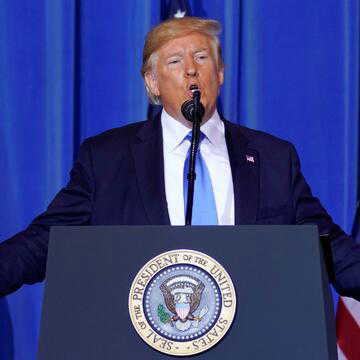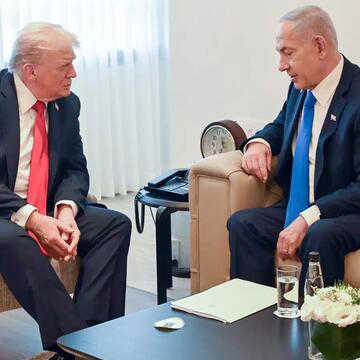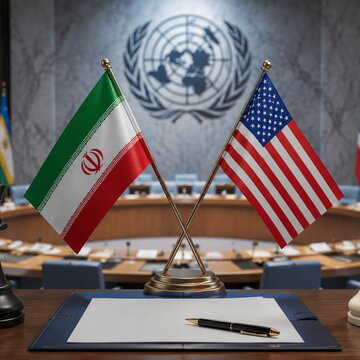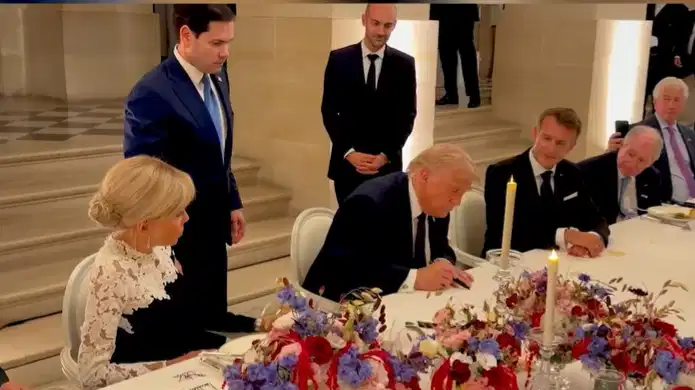
US President Donald Trump has confirmed that he has signed a memorandum of understanding (MoU) with Iran aimed at ending the conflict in West Asia. Speaking to reporters while departing from Versailles, Trump said the agreement had already been formalised.
"It's signed. I signed it in Versailles. Just signed it," Trump said.
Also Read | Trump warns Iran: 'If they don't behave' US could be 'dropping bombs' again
The signing reportedly took place during a dinner hosted by French President Emmanuel Macron at the Palace of Versailles after the G7 summit. A White House official also confirmed the development, saying, "Can confirm the signing."
🚨 President Donald J. Trump has SIGNED the Iran Memorandum of Understanding at Versailles in France. 🇺🇸 pic.twitter.com/JQ6qlbvFAF
— The White House (@WhiteHouse) June 17, 2026
Iran also acknowledged that the agreement had been finalised. Iranian foreign ministry spokesperson Esmaeil Baghaei said the document had been signed electronically by both sides.
“The text of the Islamabad Memorandum of Understanding was finalised with the signatures of the presidents -- now it is time to test the implementation of the agreement,” Baghaei said, according to Iran's state news agency IRNA.
President Pezeshkian and his US counterpart Trump signed the MoU between Tehran and Washington digitally and remotely. pic.twitter.com/ratIJxoeLG
— Iran in India (@Iran_in_India) June 18, 2026
Planned Switzerland ceremony called off
While a formal signing ceremony had been scheduled in Switzerland on Friday, Baghaei indicated that the event had been cancelled. Despite that, the agreement has already come into effect.
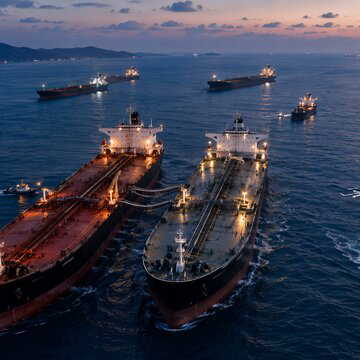
Also Read | Is the US running a covert oil transfer network in the Gulf? Here's what we know
According to a White House official quoted by Reuters, the MoU was digitally signed on Sunday by US Vice President JD Vance and Iran's chief negotiator Mohammad Bagher Ghalibaf. The signing was witnessed by Trump before the final endorsement by both presidents.
Strait of Hormuz reopening and sanctions relief
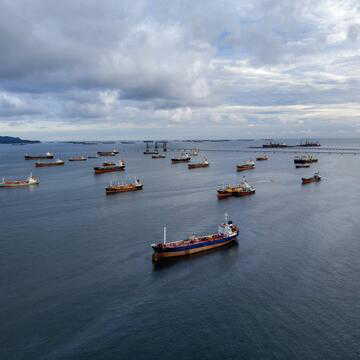
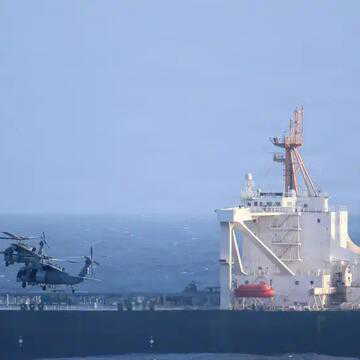
Under the draft agreement, the Strait of Hormuz is expected to reopen quickly after months of disruption that affected global energy markets. The deal also includes immediate sanctions waivers for Iranian oil exports.
Further negotiations on Iran's nuclear programme and potential economic incentives are expected in the next phase. The text also outlines plans for a $300 billion reconstruction fund backed by regional countries once a final nuclear agreement is reached.
Trump on frozen Iranian assets
Trump defended the reconstruction initiative, stressing that no US government money would be involved and that Iran would benefit only if it complied with the agreement.
He also signalled openness to releasing Iranian assets frozen by the US over the years, saying, “At a certain point in time, I guess we’ll have to give it back. If we didn’t give it back, nobody would ever invest in the dollar again.”
FAQs:
What is included in the US-Iran peace deal?
It includes sanctions waivers, plans to reopen the Strait of Hormuz and future nuclear negotiations.
Where did Donald Trump sign the Iran agreement?
Trump said he signed the deal in Versailles during a dinner with French President Emmanuel Macron.