Melting glaciers are no longer just a climate warning-they may now pose a serious biological risk. New research has revealed that ancient and potentially dangerous microorganisms trapped deep inside glaciers are being released as ice melts at an alarming rate, raising concerns among scientists worldwide.
A recent study by Chinese researchers, published in the journal Nature Biotechnology, shows that glaciers on the Tibetan plateau are releasing thousands of microorganisms and millions of harmful genes that had remained frozen for hundreds of millions of years.
The research was conducted by a team from the Chinese Academy of Sciences, led by scientist Yanqin Liu, who studied ice samples collected from around 21 glaciers in Tibet.
ALSO READ | Bangladesh cancels Indian Economic Zone agreement, unveils new Defence Economic Zone
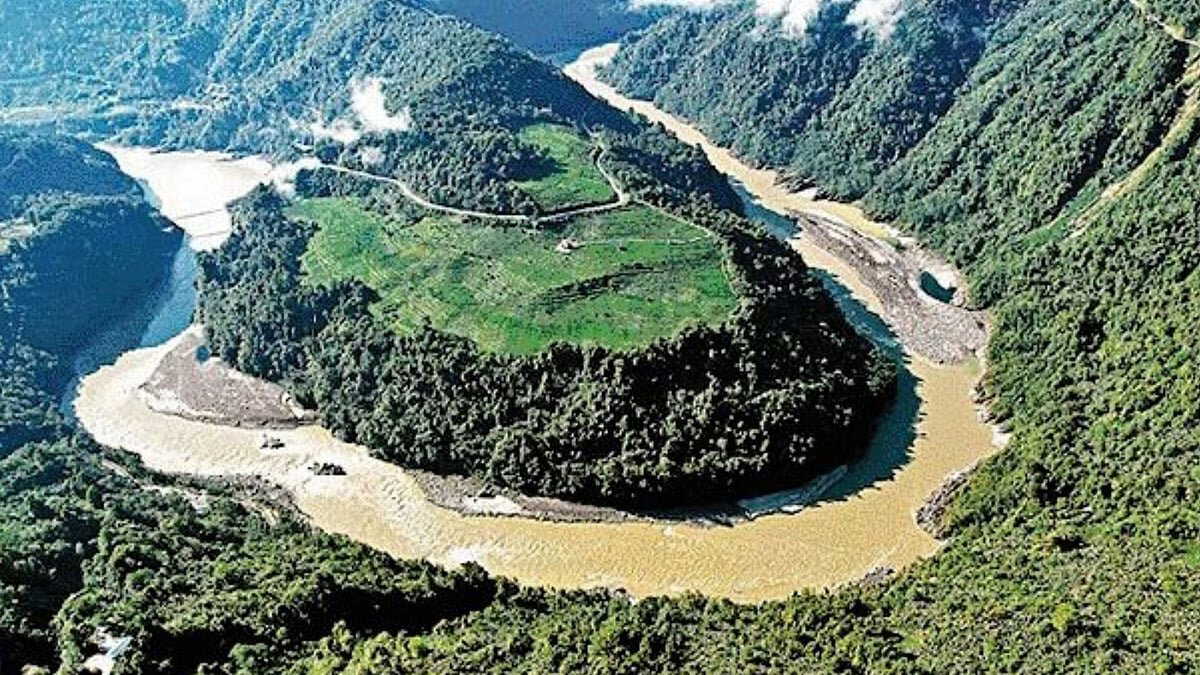
Often referred to as the world’s “third pole,” Tibet is the source of several major Asian rivers, including the Indus and the Brahmaputra. Scientists found that accelerated glacial melting has revived nearly 968 species of ancient bacteria. Alarmingly, around 80 per cent of these microorganisms are completely unknown to modern science, meaning there are currently no known medicines or vaccines to counter them.
Researchers say the biggest concern lies in the harmful genes released along with these microbes. Many of them are antibiotic- or antimicrobial-resistant genes, which can help bacteria survive even strong medical treatment. When such genes mix with melting glacier water, they may weaken water disinfection systems and pose risks to both ecosystems and human health.
ALSO READ | Who is General Zhang Youxia? Xi Jinping ally under probe as Chinese military faces rare public crisis
A significant number of these genes are also described as “virulent,” meaning they have a strong ability to spread disease. As melting ice feeds rivers and oceans, these microbes can travel far beyond glaciers and reach populated areas. Since these organisms are ancient, human immune systems may not recognise them, increasing the risk of future outbreaks.
Experts warn that as glaciers feeding rivers like the Indus and Brahmaputra continue to melt, the release of these microbes could become a serious public health challenge, adding a new and dangerous dimension to the impacts of global warming.