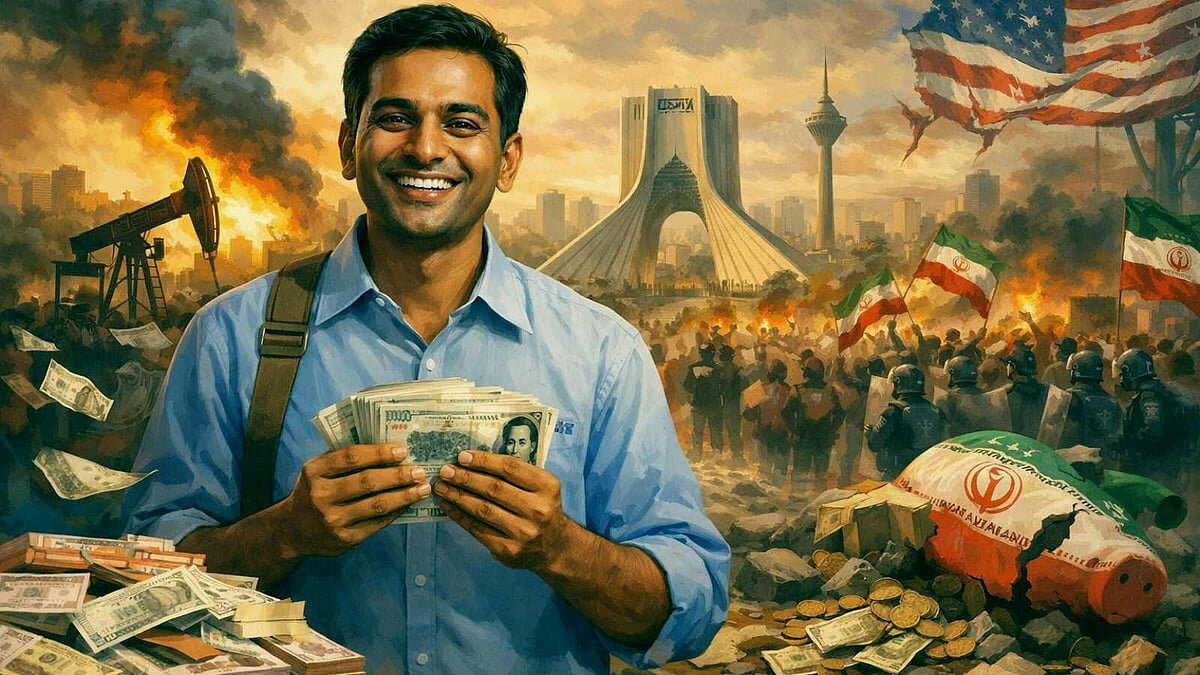
In just one week, Iran's currency value has plummeted from sky to ground. On January 6, the value of 1 Indian rupee was equal to 466.13 Iranian rials; by January 13, it had risen to 12,600.25 Iranian rials. Due to this unprecedented price increase, currently, if any Indian visits Iran with just 1,000 rupees in their pocket, they would become a millionaire. Because 1,000 Indian rupees is now worth more than 1 crore Iranian rials. Why did the Iranian rial 'free fall' in this manner? What is the reason behind this extreme economic catastrophe?
Also Read | Iran blocks Elon Musk’s Starlink internet amid nationwide protests and security crackdown
Sanctions, protests and external pressure hit the economy
Iran's oil-rich economy is currently facing a terrible crisis. Stricter economic sanctions, renewed American pressure and nationwide ongoing protests and various other reasons are behind this collapse of Iran's economy.
Economic sanctions by America and Western countries are the main reason for the destruction of Iran's economic stability. In the past six months, the value of the Iranian rial has decreased by approximately 64 per cent.
American President Donald Trump's recent announcement has further aggravated this crisis. He has imposed a 25 per cent import tariff on Iran's trading partner countries. As a result, Iran's major trading partners may face difficulties and the value of the rial may decrease further.
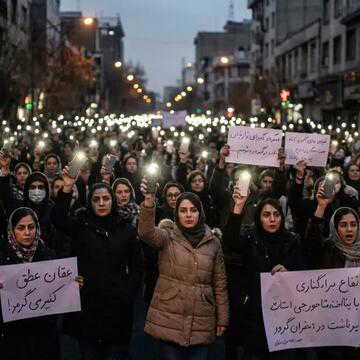
The intense ongoing anti-government protests in that country have also had a negative impact on the economy. On Tuesday, Iran's government itself announced that approximately 2,000 people from both sides have died in the movement. This has caught international attention.
Also Read | Jaish chief Masood Azhar’s audio resurfaces with threat of ‘thousands’ of suicide bombers
Inflation surges, future outlook remains uncertain
Iran's price increases have taken a terrible form. Last December, the annual inflation rate was 42.2 per cent! Iran was among the countries in the world that experienced the highest price increases.
The prices of food, housing and all imported goods are continuously rising. Common people and businesspeople are under intense pressure due to this. During the 1979 Islamic Revolution, the value of 1 dollar was 70 Iranian rials; currently it has reached 14 lakh rials.
According to economists, the future of Iran's currency depends on controlling inflation, ensuring foreign currency flow and restoring public confidence in financial management.
According to the International Monetary Fund or IMF, in 2025, the consumer price inflation rate, that is, the inflation rate may reach an average of 42 per cent. The World Bank predicts that Iran's GDP may contract by 1.7 per cent in 2025 and by another 2.8 per cent in 2026.
Also Read | Anti-Khamenei protests spill in London as Iranian embassy flag is torn down | WATCH
Iran's main source of foreign currency is oil exports. But due to fluctuations in oil prices in the global market and price discounts while selling oil through unconventional means, the Iranian government's income is decreasing.
Last year, the average price of Brent crude oil was 60 dollars per barrel. According to analysts, this price is negligible compared to what is needed to bring balance to Iran's budget. Without substantial income from exports or alternative income sources, there seems to be no possibility of increasing foreign currency supply.
Overall, Iran's economy is now entangled in a web of deep crisis. Experts fear that this downward trend of the Iranian rial will continue until inflation is controlled and political stability returns.