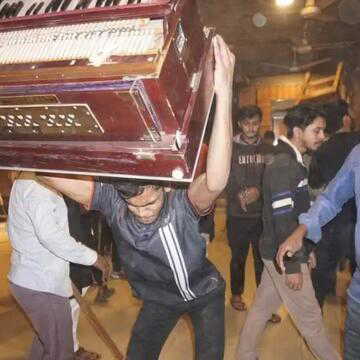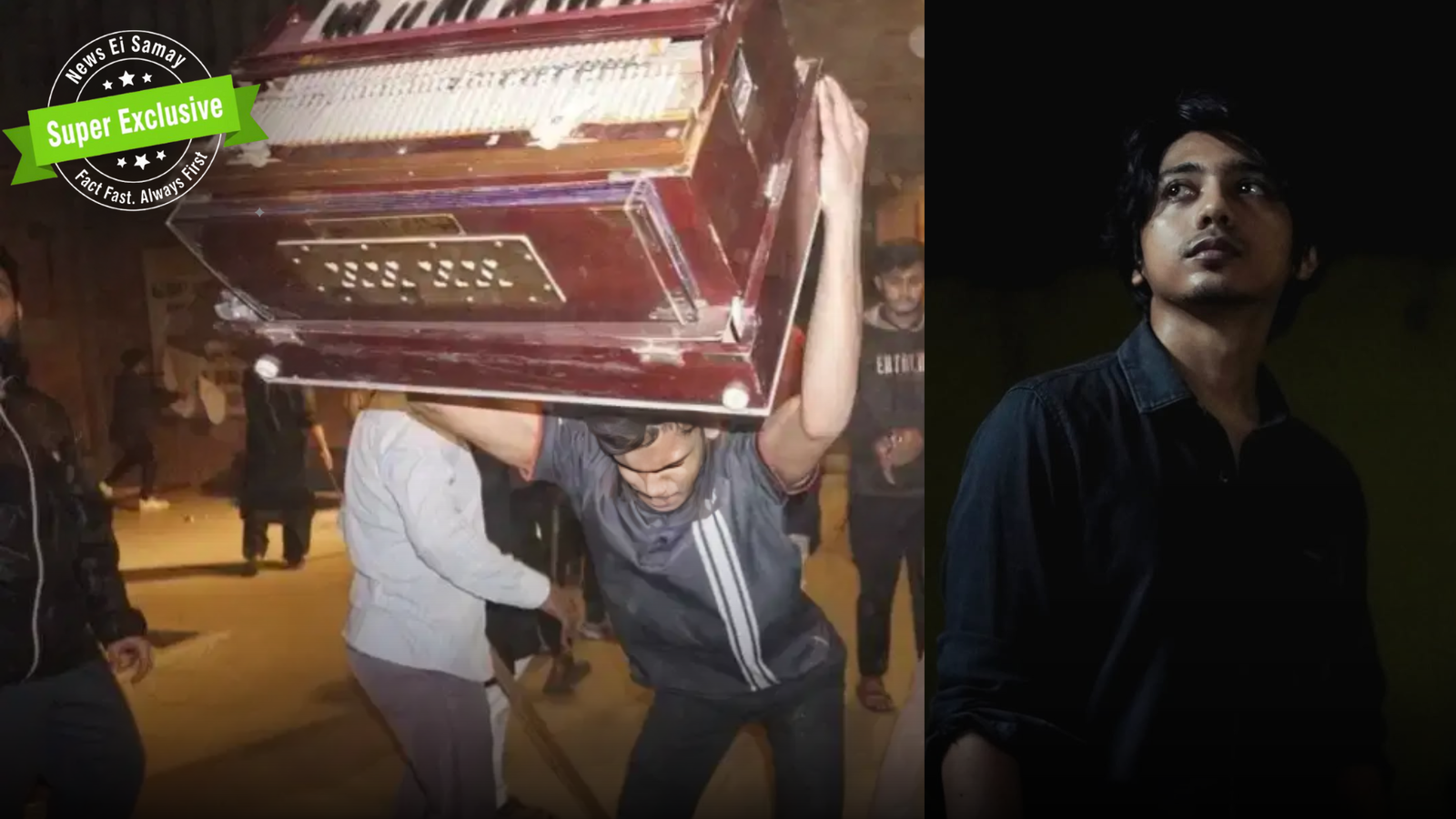
The recent attack on Chhayanaut, Bangladesh’s iconic cultural institution, has left more than just broken instruments and burnt books. It has ripped the heart out of a void where music once reverberated in research and artistic expression.
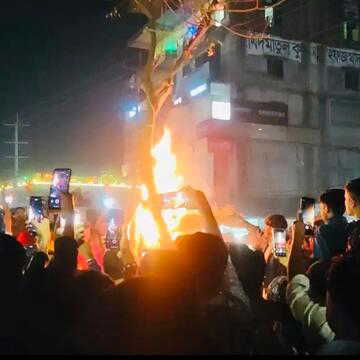
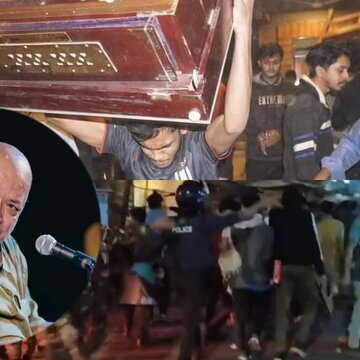
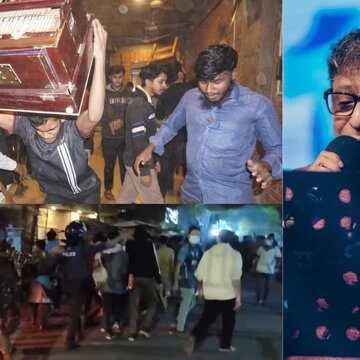
Following the death of Inquilab Mancha spokesperson Sharif Osman Hadi, unrest spread across parts of Bangladesh. The vandalism at Chhayanaut was attacked late that night: musical instruments lay smashed, rare books and handwritten notes burned to ashes, and its building was badly damaged.
Also Read | Kabir Suman feels 'shame' and 'fear' over attack on Chhayanaut in Dhaka
'How can violence be a form of protest?'
Speaking to News Ei Samay, Pritam Das, Singer and composer of the band Taalpatarshepai, shared his pain thus: "It is heart-wrenching to see harmoniums, tablas, among other instruments, in a frenzied attack. I am struggling to understand how such violence can be considered a form of protest, or what it seeks to achieve. Chhayanaut was founded to uphold Bengali identity-what message does destroying it send?"
He termed the attack a brazen display of fundamentalism, but at the same time, maintained that free artistic expression cannot be muzzled. “This will echo beyond Bangladesh. Across borders, artists will stand as one in condemning this act.”
He further added, “Together, we will protest, whether on this side of the border or the other. Freedom of speech and artistic expression cannot be stopped, have never been stopped, and will never be stopped in the future.”
Also Read | 'Deeply pained, extremely shameful,' says singer Rupankar Bagchi over Chhayanaut vandalism in Dhaka
Chhayanaut seeks investigation, condemns violence
Laisa Ahmed Lisa, General Secretary of Chhayanaut, condemned the attack; she demanded a proper investigation into the incident. She expressed regret over Osman Hadi's death but underlined that no violent action could be justified targeting a cultural institution.
Videos circulating on social media show the extent of the destruction, with voices heard declaring that there is “no place for Indian culture” inside the space. The authenticity of these videos is yet to be verified.
For generations, Chhayanaut has stood as a beacon of art, research and resistance through culture. The attack has sent shockwaves through artists and cultural practitioners, raising troubling questions about the safety of artistic spaces in times of unrest.