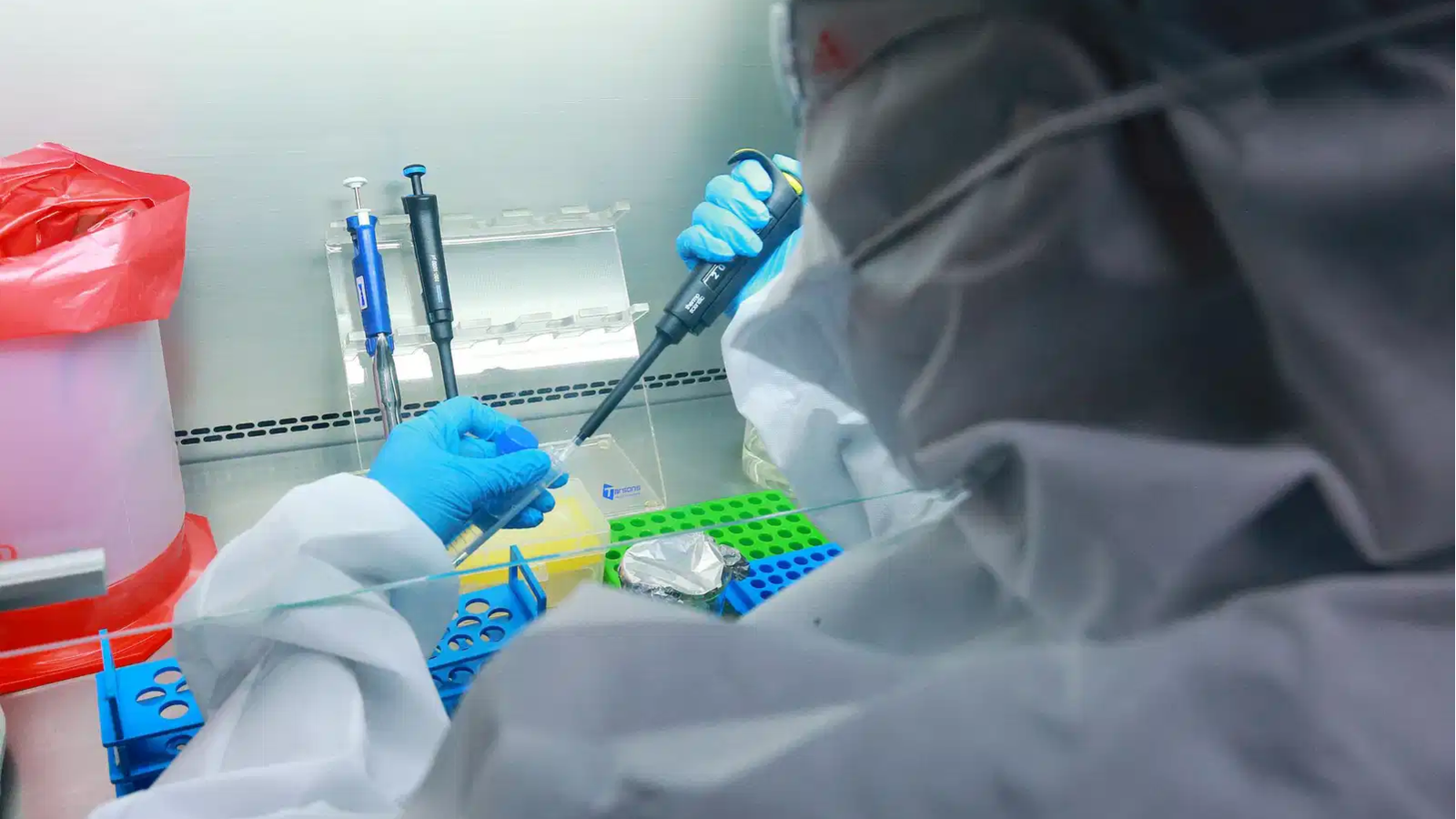
Scientists in Thailand have identified a new coronavirus in bats that may have the potential to infect humans, according to a study published in the journal Cell, per a report by NDTV.
The report added researchers saying there is currently no evidence that the virus is spreading among people. However, the findings have drawn scientific attention because the virus appears capable of binding to human cells in a manner similar to some known coronaviruses.
The study involved researchers from several international institutions, including the University of Tokyo.
Also Read | Inside the ₹25 lakh luxury cruise now at the centre of a deadly hantavirus outbreak
Virus linked to coronavirus family behind Covid-19
According to the study, the newly-detected virus belongs to the sarbecovirus group, a subgroup of coronaviruses commonly found in bats.
This broader family includes SARS-CoV-1, which caused the 2003 SARS outbreak, and SARS-CoV-2, the virus responsible for the Covid-19 pandemic.
Scientists observed that the newly-identified virus may be able to bind to ACE2 receptors, proteins found on human cells that are also used by SARS-CoV-2 to enter the body.
Researchers clarified that this does not mean human transmission is taking place or that a new outbreak is imminent. Instead, the findings point to possible zoonotic potential, meaning the virus could theoretically move from animals to humans under certain conditions.
Why researchers are monitoring the virus
The study also examined how related viruses may be circulating among horseshoe bat populations across parts of Southeast Asia.
Researchers noted that different virus groups appeared to converge within the same bat population during sampling. The analysis suggested that one virus lineage may have spread into eastern Thailand from northern parts of the peninsula near Laos.
Also Read | 'World must remain safe': WHO warns more hantavirus cases may emerge after deadly cruise ship outbreak
Scientists continue to closely monitor bat coronaviruses because bats are considered natural reservoirs for many viruses. Surveillance helps researchers understand how viruses evolve and assess possible spillover risks to humans or animals.
Experts involved in the research stressed that the discovery should not be viewed as an immediate public health threat.
They said there is no evidence of human infection linked to the newly identified virus at present. Instead, the study highlights the importance of continued monitoring and early detection efforts to better prepare for potential future outbreaks.