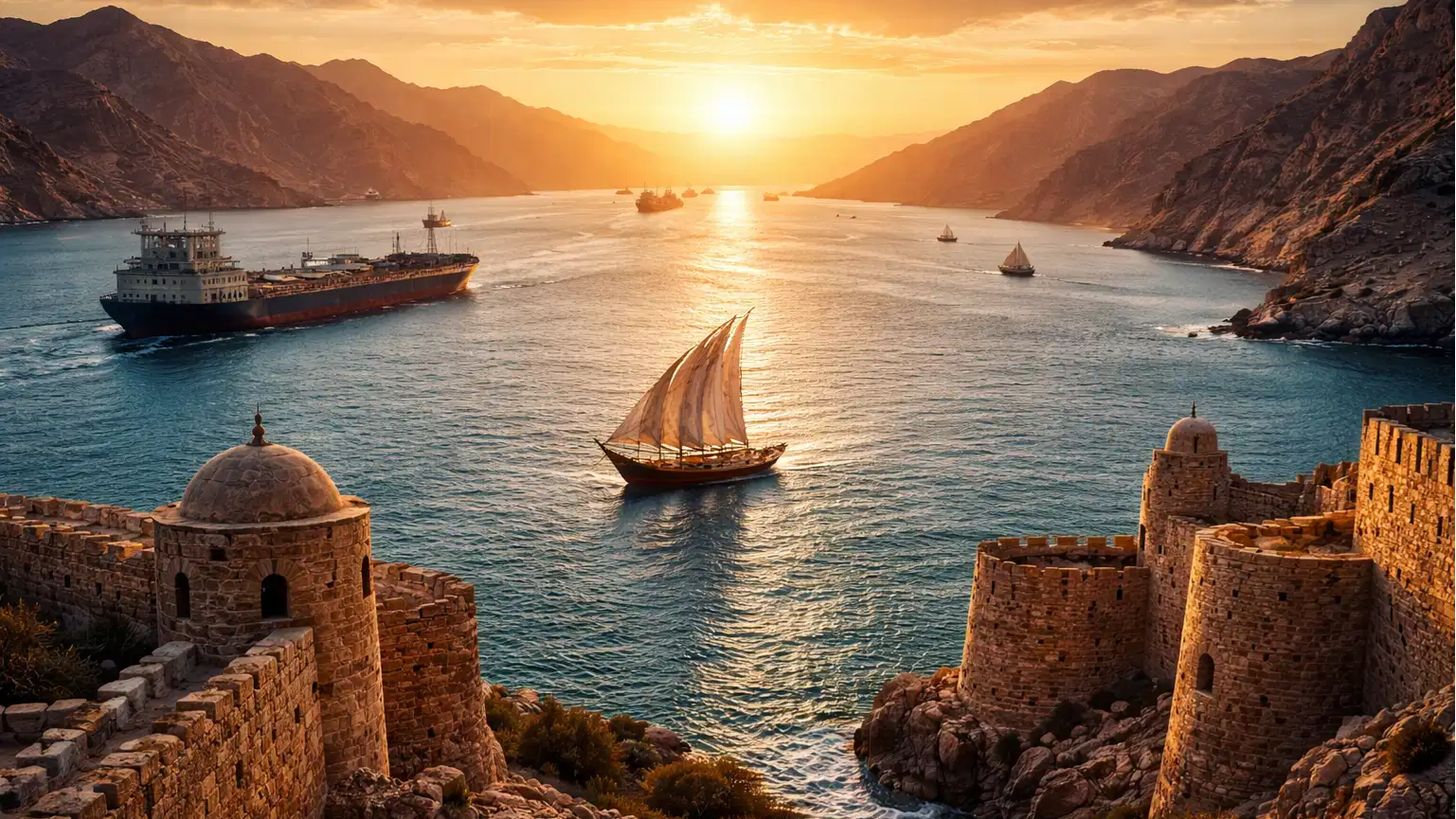
As tensions in the Middle East eased and the Strait of Hormuz gradually reopened, attention shifted to oil prices, shipping routes and the movement of global trade. However, another problem had quietly developed beneath the surface of hundreds of stranded vessels.
Cargo ships and oil tankers that remained idle in the Gulf for months are now covered with barnacles, algae, mussels and other marine organisms. Before many of these vessels can return to normal operations, they require cleaning, inspections and maintenance.
The issue, known as biofouling, has emerged as an unexpected consequence of the prolonged disruption in one of the world's busiest shipping routes.
Also Read | US warns 'mass atrocities could be imminent' as RSF encircles Sudan's el-Obeid
What is biofouling?
Biofouling refers to the accumulation of marine organisms on underwater surfaces such as ship hulls and propellers. It usually begins with a layer of slime and microorganisms before larger organisms, including algae and barnacles, attach themselves.
The buildup creates additional drag, forcing ships to consume more fuel to move through water.
According to research cited by the International Maritime Organisation and reported by News18, even a thin layer of slime can increase greenhouse gas emissions by 20 to 25 per cent. Light barnacle growth can raise fuel consumption and emissions by more than 50 per cent.
The IMO estimates that nearly 10 per cent of the shipping industry's fuel consumption goes toward overcoming the effects of biofouling.
Why Hormuz became a problem area
The Strait of Hormuz witnessed prolonged disruptions, leaving hundreds of ships anchored for extended periods. Warm Gulf waters created ideal conditions for marine growth.
Also Read | 'Raw gold will no longer leave Guinea': President Doumbouya bans exports, mandates local refining
According to estimates cited by the Financial Times, more than 1,200 cargo vessels carrying goods worth around $125 billion were affected during the disruption.
Vessels that would normally remain clean through constant movement became heavily covered with marine organisms while sitting idle.
Rising costs for shipping companies
The return to operations is proving expensive. Divers are being deployed across Gulf ports to clean hulls and propellers before ships resume voyages.
Rajiv Kukreja, chief executive of Dubai-based hull-cleaning company HullWiper, was quoted as saying by News18, “The next 30 days, it’s going to be for a diving company like they’ve struck gold," referring to the sudden surge in demand.
Apart from cleaning expenses, shipping companies also face losses from delayed cargo, missed voyages and maintenance costs.
Lessons from the crisis
Insurers and shipping companies are closely studying the disruption.
According to Justus Heinrich of Allianz, “It was always realistic disaster scenarios. But now, we have seen a real disaster scenario, which means that theoretical risks have turned into practical risks."
Also Read | Congo Ebola outbreak tops 1,000 cases; Africa CDC warns: 'You must know the index case'
The episode has highlighted how geopolitical disruptions can create unexpected challenges, with tiny marine organisms becoming one of the hidden costs of the Hormuz crisis.
FAQs:
What is biofouling?
Biofouling is the buildup of marine organisms such as barnacles and algae on ship hulls.
Why are ships affected after the Hormuz disruption?
Many vessels remained idle for months, allowing marine growth to accumulate on their hulls and propellers.