For nearly a decade, Belgium represented one of football's greatest success stories. A small nation of under 12 million people produced a remarkable generation of world-class talent capable of challenging the sport's traditional heavyweights.
Today, however, that era is slowly slipping away.
At the FIFA World Cup 2026, Belgium has failed to register a victory in its opening two Group G matches, managing only a 1-1 draw against Egypt and a hard-fought goalless stalemate against Iran despite playing much of the latter contest under pressure.
The results have intensified an uncomfortable reality: Belgium's golden generation is finally fading.
A blueprint that changed Belgian football
Belgium's rise did not happen overnight.
The transformation began in the mid-2000s when former Royal Belgian Football Association technical director Michel Sablon initiated a sweeping overhaul of youth development structures.
One of the cornerstone ideas was implementing a universal 4-3-3 system across youth academies, ensuring young players developed a shared tactical language before reaching the national team.
Alongside this came the influential KU Leuven study, which analysed 1,500 youth matches to identify the most effective methods of player development.
The long-term planning paid dividends.
By the time the 2014 FIFA World Cup arrived, Belgium possessed a squad bursting with elite talent.
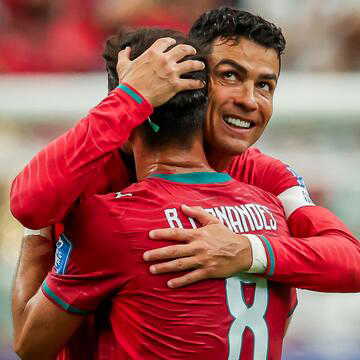
Also Read | Cristiano Ronaldo's brace powers Portugal to dominant 5-0 victory over World Cup debutants Uzbekistan
A generation full of superstars
Eden Hazard, Kevin De Bruyne, Romelu Lukaku, Vincent Kompany and Thibaut Courtois emerged almost simultaneously, giving Belgium a spine that rivalled any team in world football.
Under successive managers, the Red Devils became one of international football's most feared teams.
From 2018 to 2022, Belgium consistently occupied the number one spot in FIFA's world rankings.
Its crowning achievement came at the 2018 World Cup in Russia, where Belgium produced one of the tournament's defining performances by defeating Brazil in the quarter-finals.
However, France ended their dream in the semi-finals, forcing Belgium to settle for third place, the best World Cup finish in the nation's history.
Unfortunately, that would also become the closest this generation came to winning a major international trophy.
The decline began in Qatar
The signs of decline started becoming apparent before the 2022 World Cup in Qatar.
An ageing squad, internal disagreements and declining physical levels ultimately contributed to a disastrous group-stage exit.
Even De Bruyne publicly admitted the squad had become too old to realistically challenge for the title.
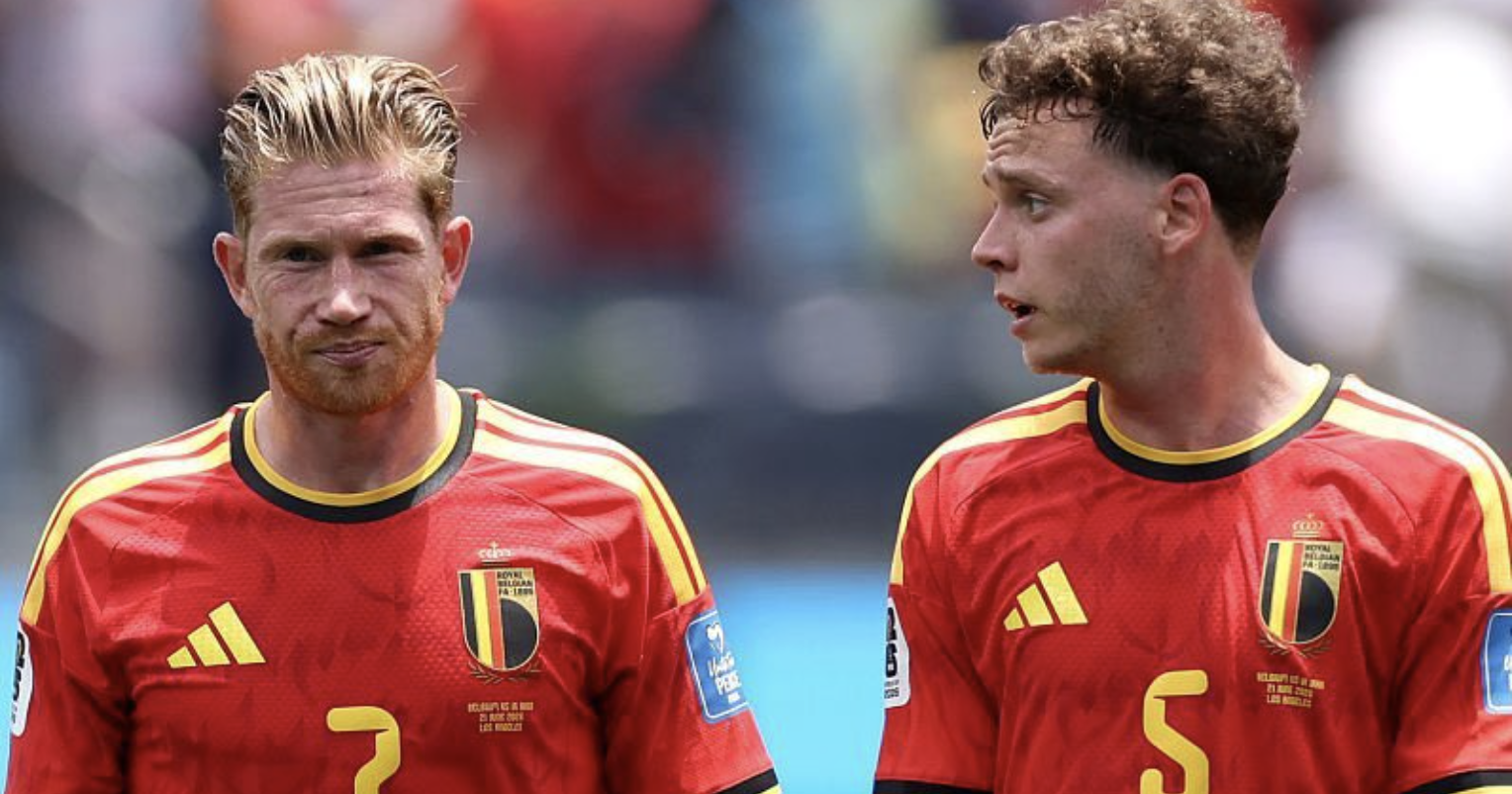
Since then, legendary figures such as Hazard and Kompany have retired, while Lukaku and De Bruyne are no longer operating at the peak levels that once made Belgium so dangerous.
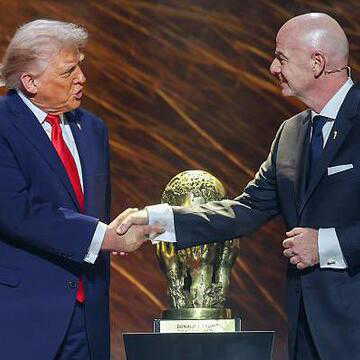
Also Read | Donald Trump set to attend FIFA World Cup 2026 final, will present trophy to champions
Belgium is now stuck between two eras
The biggest challenge facing Belgium today is its uncertain transition.
Young talents such as Jeremy Doku and Nathan Ngoy represent the future, but the team remains heavily dependent on veterans from the previous era.
This awkward balance has left Belgium neither fully rebuilding nor fully competing.
At the ongoing World Cup, the team has lacked attacking fluidity and defensive assurance, allowing opponents such as Egypt and Iran to dictate large periods of play.
With a decisive group-stage clash against New Zealand looming, Belgium's World Cup future hangs in the balance.
Regardless of what happens next, one thing is becoming increasingly clear.
Football's most celebrated golden generation of the last decade is approaching its final chapter — not with the silverware many expected, but with lingering questions about what could have been.