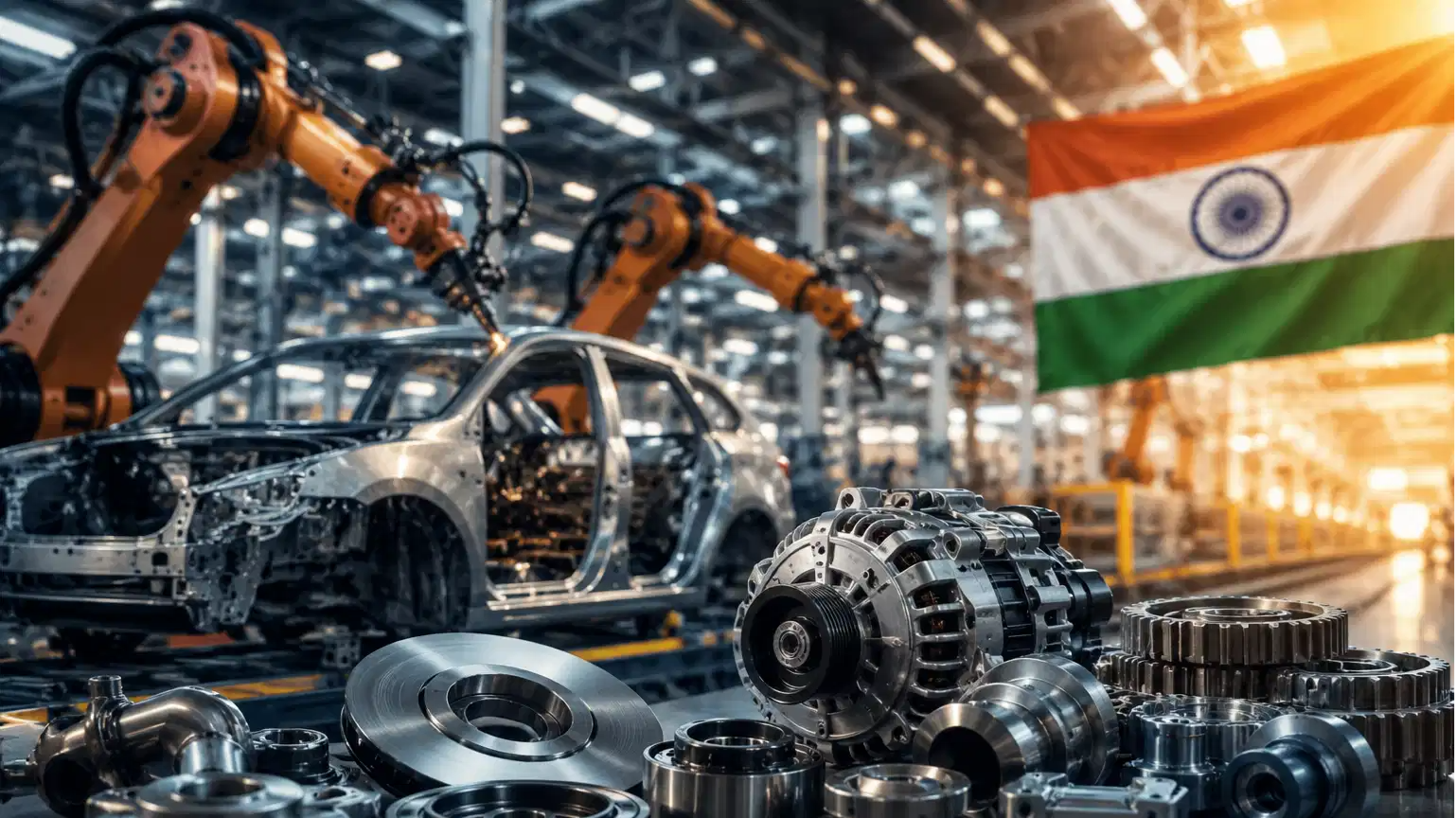
The Centre has identified around 100 products that are currently not being manufactured in India as part of a broader strategy to strengthen domestic manufacturing capacity and reduce import dependence.
The move is expected to focus on sectors such as auto components, motorcycles and intermediate goods, while also creating export-linked manufacturing opportunities.
Also Read | Panic at Chennai airport as Etihad flight halted before take-off after wing catches fire
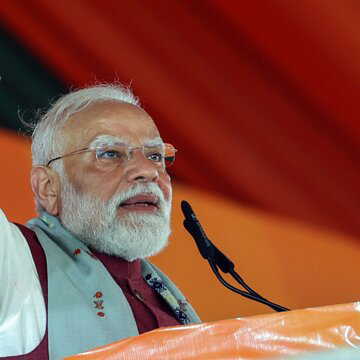
Speaking at the Confederation of Indian Industry’s (CII) Annual Business Summit, Department for Promotion of Industry and Internal Trade (DPIIT) Secretary Amardeep Singh Bhatia said the government is working to address technology gaps and create local manufacturing ecosystems for these products.
Auto components and intermediate goods in focus
According to Bhatia, the government’s assessment found several products in the automobile and motorcycle sectors that are still not being manufactured domestically despite existing industrial capability.
“We have identified a set of products. Some very interesting products have come up in the auto sector and motorcycles,” Bhatia said at the summit.
“We have the capability, perhaps some gaps in technology exist,” he added.
The government is also focusing on boosting the production of intermediate goods, products that sit between raw materials and finished products in the manufacturing chain.
Officials believe strengthening intermediate manufacturing could help bridge India’s so-called “missing middle” in industrial production while helping smaller MSMEs scale up into larger enterprises.
“Our schemes are trying to address that,” Bhatia said while referring to efforts aimed at improving domestic manufacturing depth.
Government preparing ‘Made in India’ label scheme
Alongside the manufacturing push, the government is also preparing to launch a “Made in India” label scheme aimed at promoting domestic value addition and product quality.
According to officials, the framework for the scheme is already ready following a pilot run in the steel sector.
Bhatia said the label would indicate how much value addition has taken place within India while also serving as a quality assurance marker for consumers and export markets. “The Made in India brand will indicate what has been the value addition in India on a product and assure quality,” he said.
The official added that the scheme would rely on existing certification mechanisms such as the Bureau of Indian Standards (BIS) and would not create an additional approval burden for manufacturers.
Manufacturing strategy tied to quality and exports
The latest push comes as the government attempts to strengthen India’s manufacturing competitiveness through Production Linked Incentive (PLI) schemes, trade agreements and quality-focused reforms.
According to DPIIT data shared at the summit, investments worth ₹1.88 lakh crore have already been made under the 14 PLI schemes, while another ₹1.97 lakh crore in investments are planned.
Also Read | Stock market crash today: After major fall, which shares should investors watch on May 12?
The government is also working with the Quality Council of India (QCI) on sector-specific quality improvement roadmaps. Initial focus sectors include textiles, leather, footwear and pharmaceuticals, with additional sectors expected to be added in future phases.
Officials say the broader strategy combines domestic demand reforms, export expansion through free trade agreements and operational ease-of-business measures aimed at reducing industrial costs and investment bottlenecks.
The latest announcements signal a renewed push by the Centre to deepen manufacturing capabilities while positioning Indian-made products more aggressively in global supply chains.