A swine flu-related death in Karnataka's Uttara Kannada district has prompted health authorities to intensify surveillance efforts and remind people about the dangers of seasonal influenza infections. The 41-year-old man from Karwar died while undergoing treatment at a private hospital in Mangaluru, prompting precautionary monitoring of his close contacts. While H1N1 infections continue to occur every year, health experts warn that certain individuals remain at a significantly higher risk of severe complications.
What exactly is H1N1 or swine flu?
Swine flu is a respiratory illness caused by the Influenza A (H1N1) virus. It gained worldwide attention during the 2009 pandemic and has since become one of the seasonal influenza strains that circulate globally.
The virus primarily spreads through respiratory droplets released when an infected person coughs, sneezes, speaks or breathes near others. It can also spread when a person touches contaminated surfaces and then touches their nose, mouth or eyes.
Most people recover within a few days, but severe cases can lead to pneumonia, respiratory failure and complications involving multiple organs.
Common symptoms to watch out for
According to News 18, H1N1 symptoms often resemble those of regular flu and may appear suddenly.
Common warning signs include fever, chills, persistent cough, sore throat, runny or blocked nose, body aches, headaches, fatigue and muscle pain.
Some patients may also experience nausea, vomiting and diarrhoea.
Immediate medical attention should be sought if symptoms worsen or if there is difficulty breathing, chest pain, confusion, dizziness or persistent high fever.
Who faces the highest risk?
According to News 18, while anyone can contract H1N1, some groups are more vulnerable to severe illness.
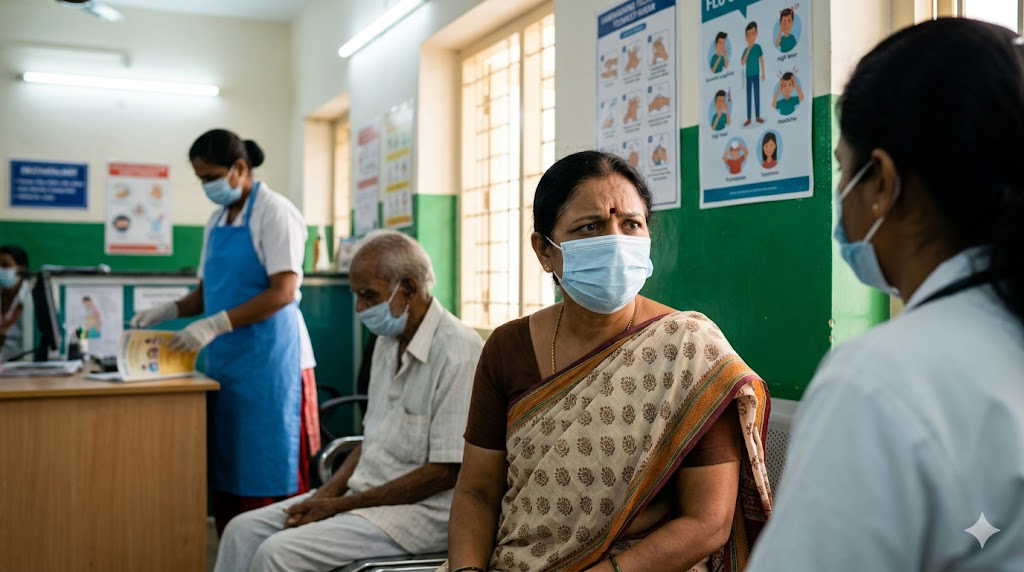
These include elderly individuals above 65 years, children under five years of age, pregnant women, people with diabetes, asthma, heart disease, chronic kidney disease, weakened immune systems and obesity.
Doctors advise these individuals not to ignore even mild flu-like symptoms.
How to reduce the risk of infection
According to News 18, frequent handwashing, avoiding close contact with sick individuals, wearing masks in crowded areas, covering the mouth while coughing or sneezing and avoiding touching the face unnecessarily remain effective safeguards.
People experiencing symptoms should stay home and avoid public gatherings to reduce transmission.
Annual influenza vaccination is also recommended, especially for high-risk groups, as it offers protection against circulating strains and helps lower the risk of severe illness.