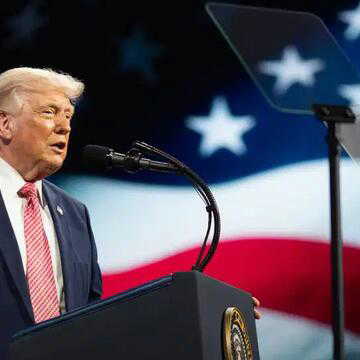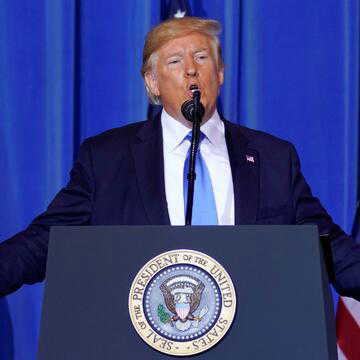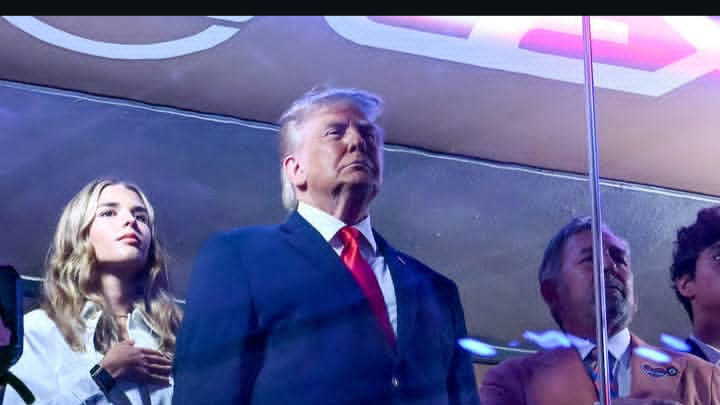
A court filing says Donald Trump personally spoke with Live Nation CEO Michael Rapino in February, weeks before the Justice Department settled its antitrust case against Live Nation and Ticketmaster.
According to the filing, the conversation between Trump and Rapino concerned the antitrust lawsuit, but Live Nation’s lawyers said the two did not discuss the “substantive terms” of any possible settlement.
The disclosure has drawn fresh attention because it places a direct presidential conversation inside the timeline of a fast-moving competition case that had already become politically sensitive.
Also Read | Why are ICC judges suing Trump? Lawsuit targets US sanctions over Israel, Afghanistan cases
"🚨 BREAKING:
— Angelina (@DraganaAngel981) June 25, 2026
New court filing reveals President Trump personally spoke with Live Nation CEO Michael Rapino just before the DOJ settled its massive antitrust case against the company.
Critics calling it potential influence on ticket prices & monopoly power.
Fair deal or… pic.twitter.com/Q24jAJ2EoQ
A curious turn behind closed doors
Live Nation told the court that White House lawyers were involved in several of the “numerous in-person meetings, videoconferences, telephone calls, and written communications” between the company and the Justice Department in February and March.
Just days into the March trial, the DOJ announced a settlement that most states refused to join, saying it did not go far enough to curb Ticketmaster’s dominance over concert venues and live-event ticketing.
The trial then continued, with a jury later finding that the company operated as a monopoly that hurt concertgoers and sports fans.
The devil, as ever, in the details
The federal deal included a cap on service fees at some amphitheaters and new ticket-selling options for promoters and venues, potentially opening the door to competitors such as SeatGeek or AXS.
Live Nation separately described the broader settlement terms as a $280 million fund for participating states, a requirement that Ticketmaster open parts of its platform to rival ticketing companies, divestment from exclusive booking agreements at 13 amphitheaters, and a 15% cap on service fees.
In a statement, Rapino said, "Today marks a major step in improving the concert experience for artists and fans throughout the United States.”
The dispute carried on regardless
The controversy did not end with the federal agreement. The jury later found Ticketmaster’s anticompetitive practices led to people in 22 states paying an extra $1.72 per ticket, a figure that could factor into any repayment order by the judge.
Live Nation responded in April that the verdict “is not the last word on this matter,” even as attorneys general argued the company’s market power remained largely intact.
State attorneys general who declined to sign on to the Justice Department deal have continued to press their own case.
New York Attorney General Letitia James said the federal settlement “fails to address the monopoly at the center of this case” and “would benefit Live Nation at the expense of consumers.”
The White House declined to comment on Live Nation’s disclosure and referred questions to the Justice Department, which did not immediately respond, leaving open further questions about how the settlement was handled inside the administration.
Also Read | Venezuela rocked by twin quakes; 164 dead as aid pours in from around the world
FAQs
Q1: Why did Donald Trump's conversation with the Live Nation CEO draw attention?
Ans: The call took place weeks before the Justice Department reached an antitrust settlement with Live Nation and Ticketmaster, prompting scrutiny over the timing.
Q2: What is the DOJ's antitrust case against Live Nation and Ticketmaster about?
Ans: The case alleges the companies used monopoly power in live entertainment and ticketing, harming competition and consumers.