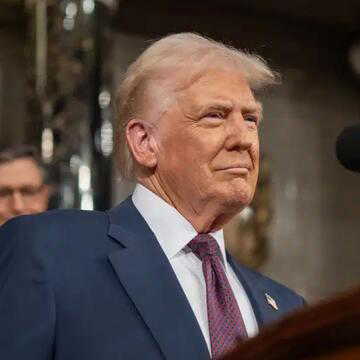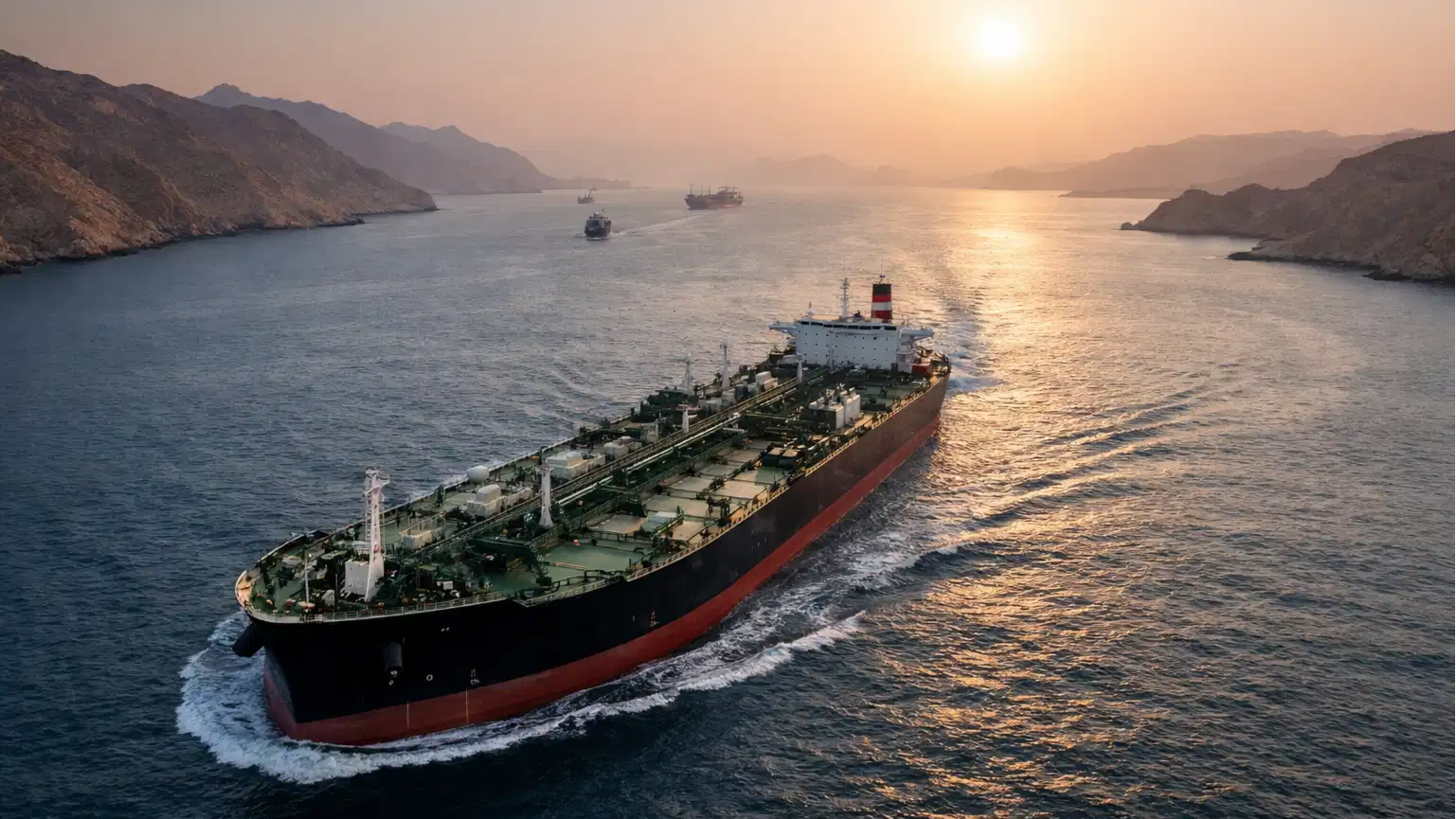
The decision by US President Donald Trump to push for a blockade of the Strait of Hormuz marks a sharp escalation after talks with Iran collapsed in Pakistan. The move comes amid rising tensions over maritime control and the unresolved nuclear issue.
Why the US is calling for a blockade
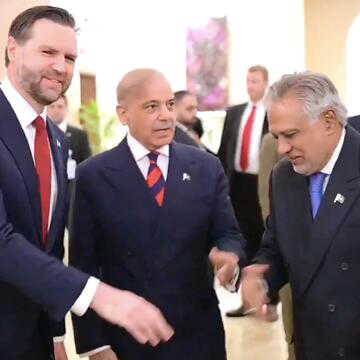
The announcement followed the breakdown of negotiations in Islamabad, where US Vice President JD Vance said Washington had made a final offer. "We gave Tehran a final and best offer to surrender its nuclear ambitions and end the regional maritime conflict," he said per Financial Express. "They chose maximalism over peace. The Islamabad talks are over," he added.
Also Read | Deal was 'inches away, zero lessons learned': Iran reveals why near-final deal with US collapsed
On the other side, Iran's Foreign minister Seyed Abbas Araghchi maintained that both sides were close to an agreement before the US "shifted the goalposts".
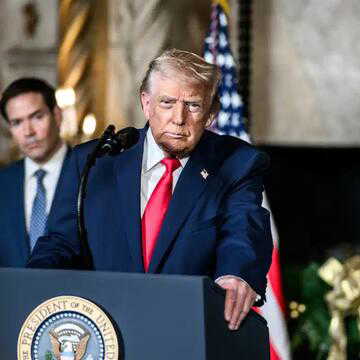
Trump has framed the blockade as a response to Iran's control over shipping in the Strait. Tehran has reportedly been charging vessels large sums for safe passage, something Washington calls illegal. "I have instructed the Navy to seek and interdict every vessel in international waters that has paid a toll to Iran," Trump said.
"No one who pays an illegal toll will have safe passage. It is all or none," he added.
How will the blockade work?
According to US Central Command, the blockade will target vessels entering or leaving Iranian ports across the Arabian Gulf and the Gulf of Oman. Ships travelling to non-Iranian destinations through the Strait may still pass.
Trump indicated the rollout may take time. "It will take a little while, but it will be effective pretty soon," he said per Financial Express, describing it as an "all or none" approach.
The US has also suggested that allies, including NATO partners, could support operations such as mine-clearing to keep parts of the route open.
Impact on India and other countries
For countries like India, the stakes are high. A significant share of its oil and fertiliser imports passes through the Strait of Hormuz. Any disruption can quickly affect supply chains and costs.
The new rules mean ships heading to Iranian ports, such as Bandar Abbas or Kharg Island, could be stopped. However, vessels simply transiting the Strait towards other destinations may continue.
With around 150 oil tankers already delayed, shipping costs are rising and congestion is building. The impact is not limited to India; countries like China and others reliant on Gulf energy routes face similar risks.
Implications for Iran and the US
For Iran, the blockade threatens a key economic lifeline by restricting access to its ports and oil exports. It also challenges its control over parts of the Strait.
Also Read | Hidden mines? What's really blocking Hormuz shipping route?
For the United States, the move is aimed at increasing pressure on Tehran, particularly over its nuclear programme, while attempting to reshape control of maritime traffic in the region.
Iran's Revolutionary Guard has warned that the situation could escalate further, signalling that the Strait remains under its influence.
The Strait of Hormuz is one of the world's most critical oil chokepoints. Any disruption, even partial, can push up prices and unsettle global markets.
With tensions rising and no agreement in place, uncertainty looms large over maritime trade, energy supplies and the broader stability of the region.