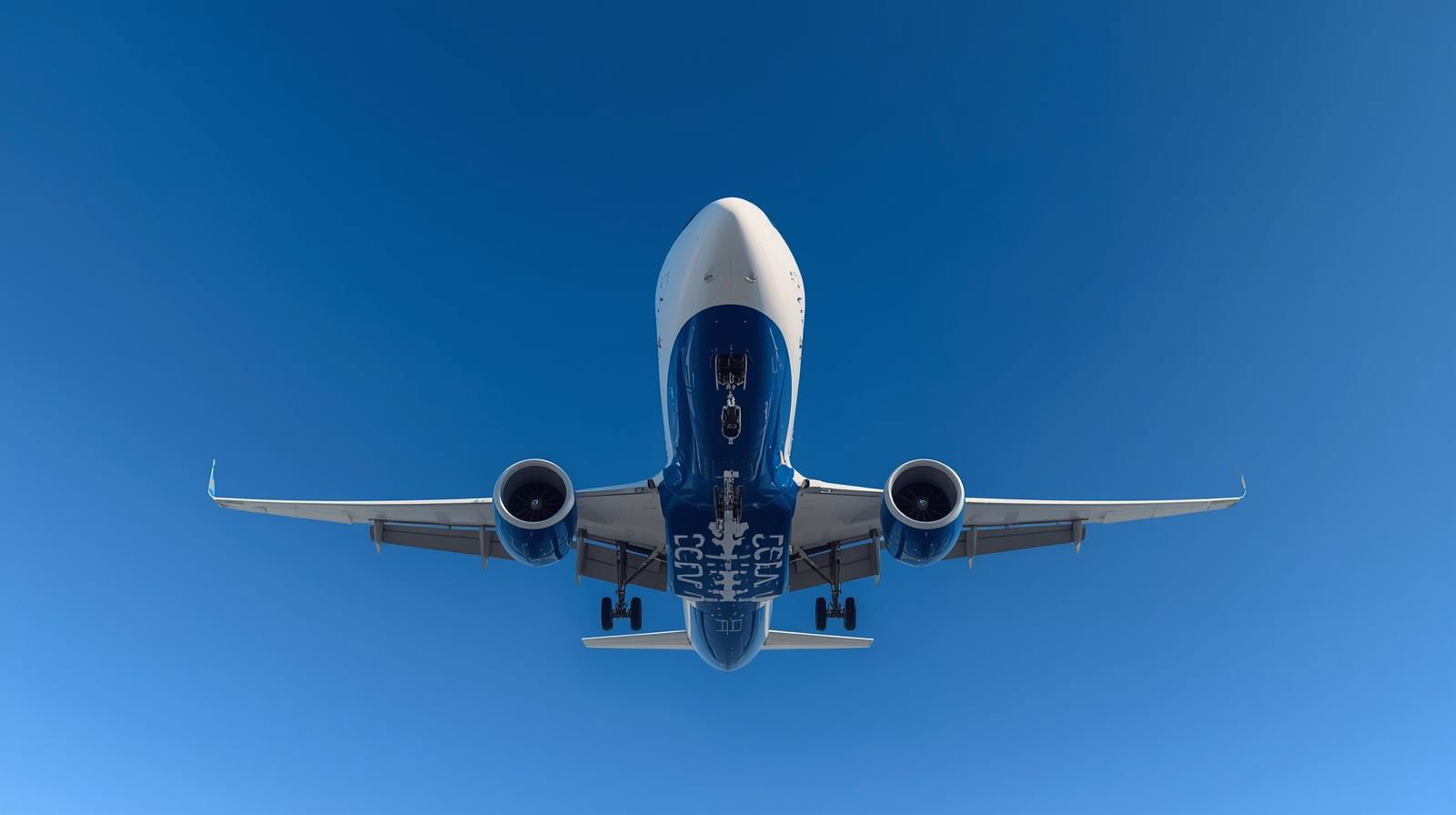
If you have ever scanned an aircraft seating plan closely, you may have spotted a curious gap. Row 13 is often nowhere to be found. This is not an error or a technical oversight. Across several airlines and even in parts of airport infrastructure, the number is deliberately skipped.
A superstition rooted in history
The absence of row 13 is tied to a long-standing fear known as triskaidekaphobia. This belief, found in many cultures, links the number 13 with misfortune. In Western traditions, it is frequently associated with negative events. A widely referenced example is the Last Supper, where 13 individuals were present before a moment of betrayal and tragedy.
Over time, this idea moved beyond folklore and into everyday design choices. Buildings often skip the 13th floor. Hotels may avoid labelling a room as number 13. Aviation, despite its reliance on precision and science, reflects similar cultural sensitivities.
Also Read | No roads, no signs—so how do pilots know where they are?
Passenger comfort over technical necessity
Airlines operate in an environment where customer experience matters just as much as operational efficiency. For some travellers, flying already brings a level of unease. Small details, including seat numbers, can influence how comfortable they feel.
To reduce even minor anxiety, several airlines choose to remove row 13 entirely. In these cases, seating jumps directly from row 12 to row 14. This approach is less about belief and more about avoiding discomfort among passengers who may associate the number with bad luck.
No link to safety
It is important to understand that this practice has no connection to aviation safety. Aircraft design, engineering standards, and operational protocols are strictly regulated at an international level. Seat numbering does not affect how a plane functions or how safe a flight is.
Also Read | World’s busiest airport 2025: THIS US hub beats Dubai for top spot
Not a universal rule
Interestingly, not all airlines follow this pattern. In regions where the number 13 carries little or no superstition, it appears as usual in seating layouts. In some countries, other numbers are considered unlucky instead. For example, in Italy, the number 17 is often avoided.
Ultimately, skipping row 13 is a small but deliberate decision. It reflects how airlines pay attention to passenger psychology. Even if only a few travellers are uneasy about the number, removing it helps create a smoother and more reassuring experience.