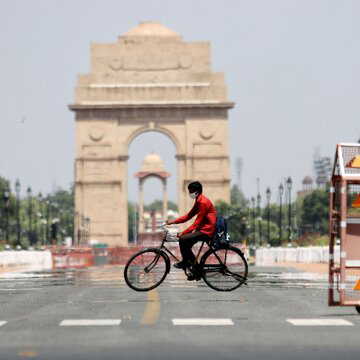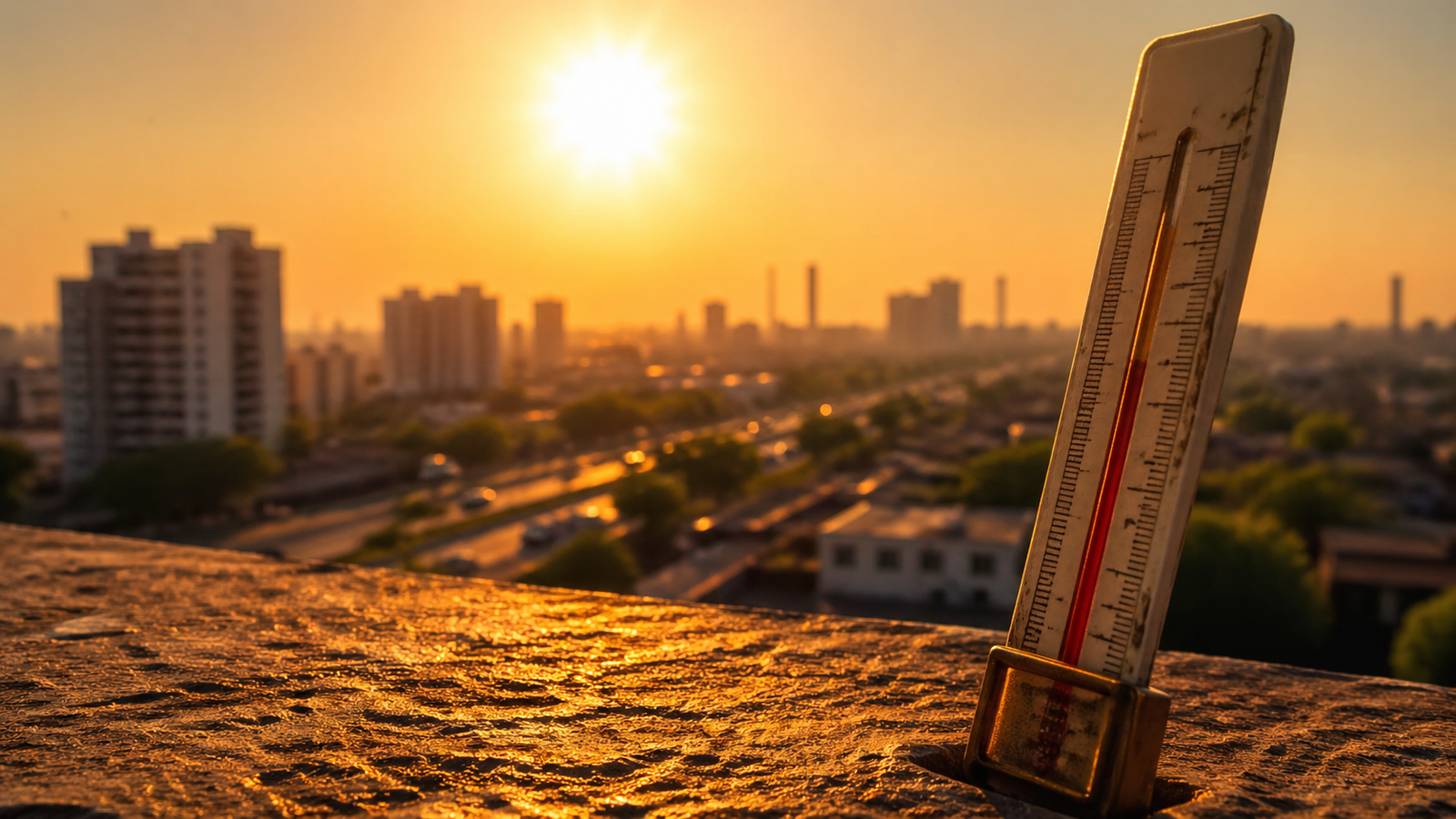
Parts of Delhi crossed 43 degree Celsius on Friday, April 24, 2026, marking the first heatwave of the season in the capital. The India Meteorological Department (IMD) has issued a yellow alert for Saturday, signalling that conditions usually seen in late May or June have arrived much earlier this year.
This early spike reflects a broader shift, where the transition from spring to summer has become shorter and less distinct. What was once a gradual seasonal change now appears compressed, with intense heat setting in sooner than expected.
Also Read | Which sectors are worst hit as heatwaves intensify across India?
Why spring is shrinking
The fading of the traditional spring window is linked to changes in weather patterns. Earlier, March and April would see moderate temperatures, aided by "western disturbances", moist winds from the Mediterranean that brought rain to northwestern India. These systems helped regulate rising temperatures.
In recent years, however, these disturbances have either weakened or shifted timing. Without their cooling effect, hot and dry winds from the Thar Desert and Pakistan move freely into the Indo-Gangetic plains.
An added factor this year is an early anti-cyclonic circulation over Rajasthan. This has acted like a cap, trapping hot air over North India and limiting the inflow of cooler winds, allowing temperatures to build rapidly.
Cities trap and amplify heat
Urban areas are feeling the heat more intensely due to the Urban Heat Island effect. While official readings may show 43 degrees, dense neighbourhoods can experience temperatures 3 degree Celsius to 5 degree Celsius higher.
Surfaces like concrete and asphalt absorb heat during the day and release it slowly at night. At the same time, air conditioning units push warm air outdoors, raising street-level temperatures. High-rise buildings further restrict airflow, preventing heat from dispersing.
As a result, nights remain warm, reducing any chance for the city to cool before the next day’s heat sets in.
Climate change as a driving factor
Long-term climate change is intensifying these trends. Rising global temperatures mean that heatwaves now begin from a higher baseline. Studies suggest the likelihood of early heatwaves in India has increased significantly due to human-driven warming.
Also Read | Dengue treatment breakthrough? India’s plan could change everything
At the same time, disruptions in atmospheric systems such as the jet stream are causing weather patterns to linger longer. This has led to stable high-pressure systems over the region, prolonging heat conditions well before the monsoon arrives.