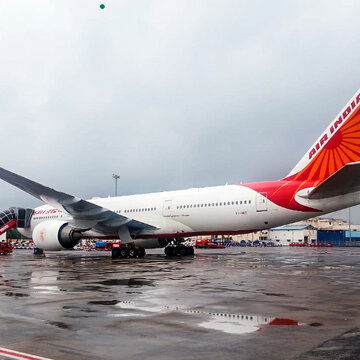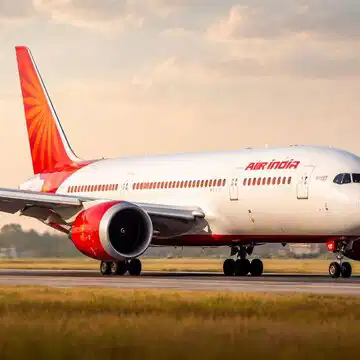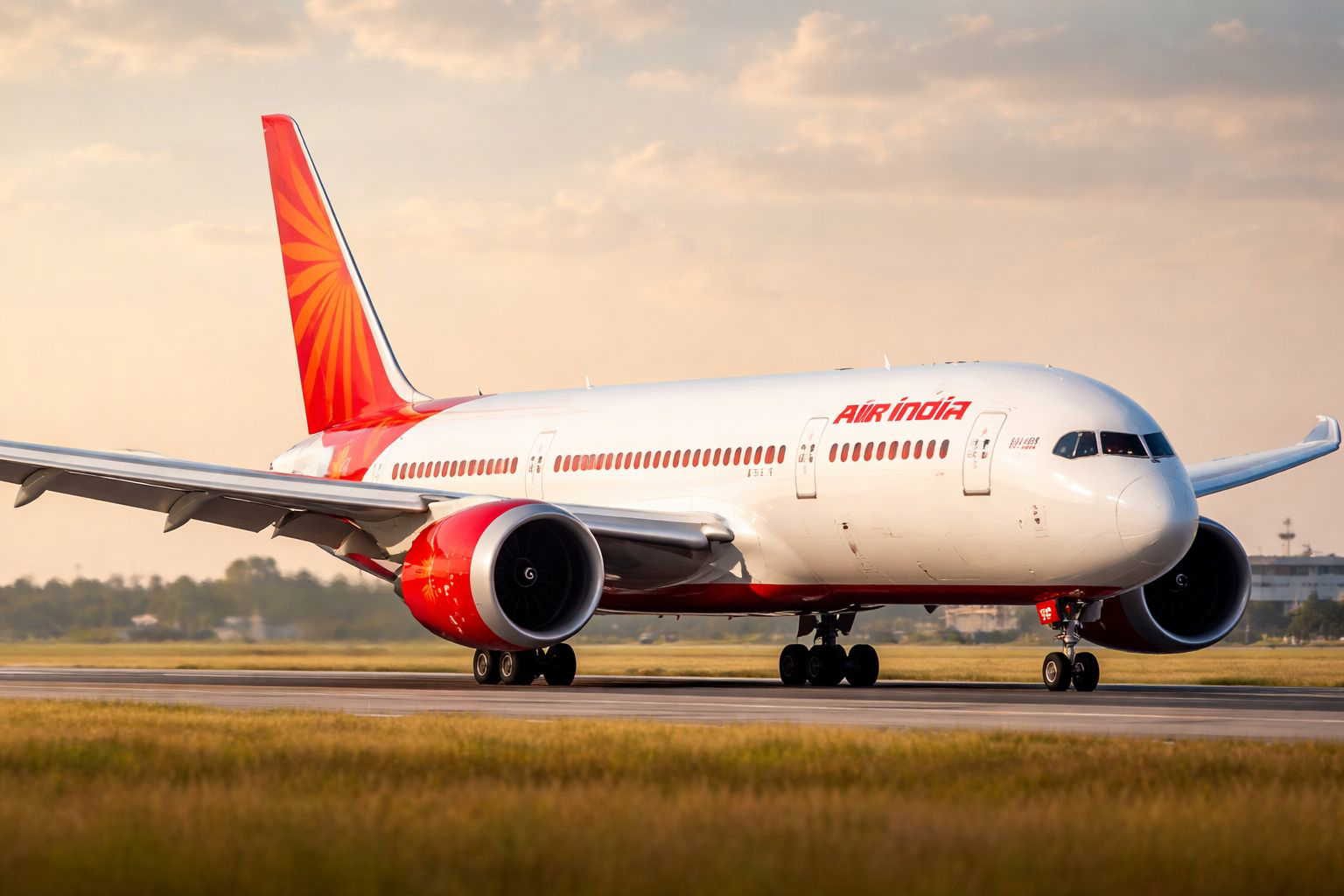
India's aviation regulator has fined Air India Rs 10 million (USD 110,000) for operating an Airbus A320-200N, VT-TQN, without a valid airworthiness certificate. This action highlights major compliance issues.
DGCA action over expired certificate
In an order issued on February 5, the Directorate General of Civil Aviation (DGCA) said the penalty relates to eight commercial flights operated on November 24 and 25, 2025.
Also Read | Tata Sons ropes in former aviation secretary as Air India navigates regulatory pressure
The aircraft involved, an Airbus A320-200N, registered VT-TQN (msn 11097), had been flying without a mandatory airworthiness review certificate (ARC). The DGCA said the lapse had "further eroded public confidence and adversely impacted the safety compliance of the organisation".
The regulator also held Air India CEO Campbell Wilson responsible for the violation. Two senior executives from the airline's Continuing Airworthiness Management Organisation have been suspended as well.
Flights operated across major cities
According to Reuters, the flights were operated along routes connecting cities like Bengaluru, Delhi, Hyderabad and Mumbai. The jet was out of commission for a month due to maintenance. It was only after the maintenance work was done that the jet was put back into service. However, the engineers failed to renew the expired permit.
Internal probe flags 'systemic failures'
Air India, which is part of the Tata Sons conglomerate, undertook an internal inquiry after the flaw was detected. This inquiry revealed how there were "systemic failures" and deficiencies in cross-verifying the information.
Also Read | Bengaluru airport ships 60 million roses across 26 countries in Valentine’s Day boom
The inquiry also revealed how the head of the defect cell had closed the query related to the necessary approvals without conducting the necessary verification checks.
In a statement to Reuters, the airline said, "All identified gaps have since been satisfactorily addressed and shared with the authority." It also stated that the non-compliance had been voluntarily reported to the regulator.
The DGCA's action highlights the need to closely abide by airworthiness protocols in commercial aviation operations.