In close relationships, emotional bonding is often natural and healthy. But sometimes, closeness can quietly lead to something more complicated. That is where the psychology term enmeshment comes in.
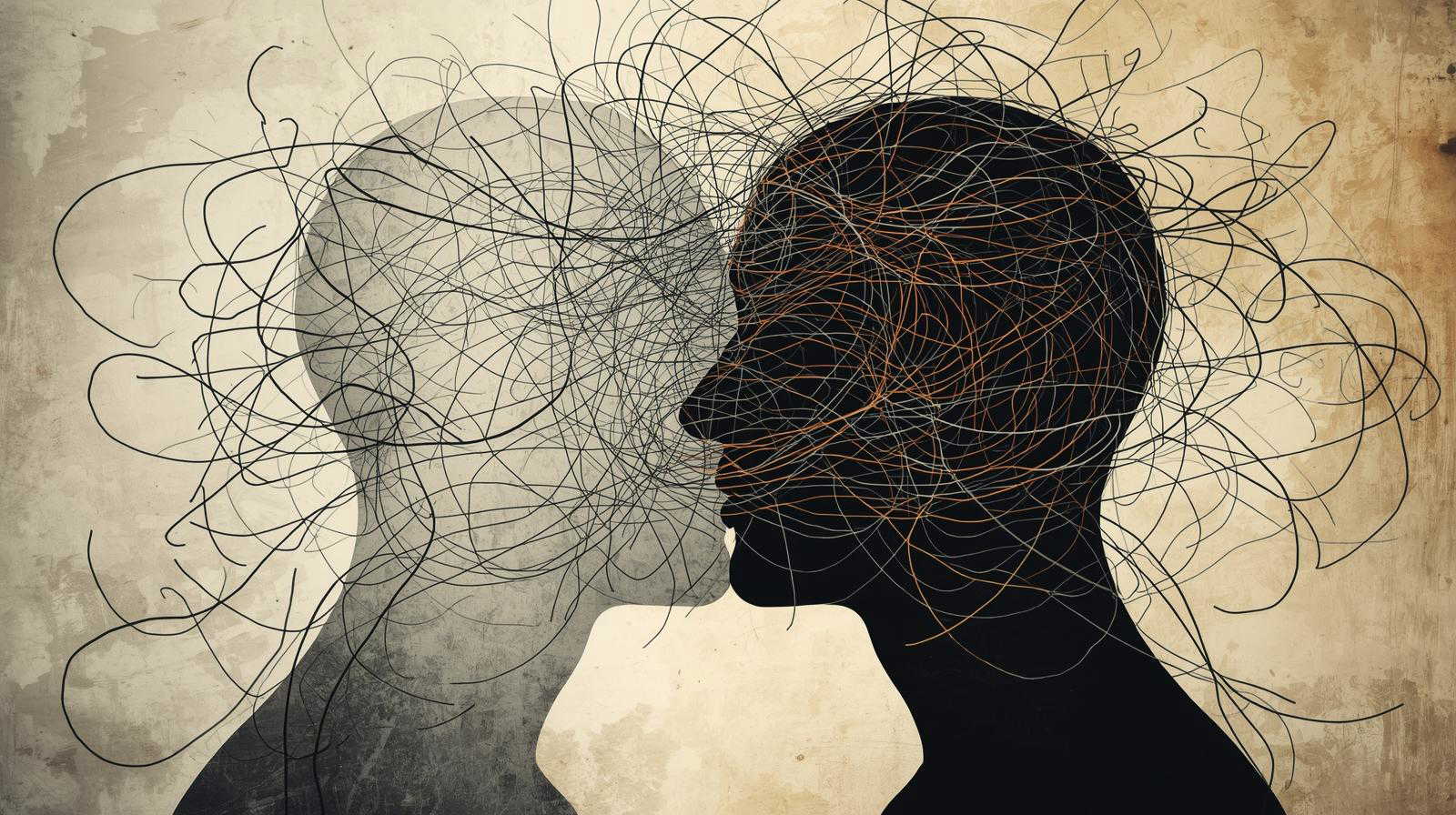
Enmeshment is where the boundaries between two people become indistinguishable. This is where one person's emotions, choices, and identity become intertwined with another's. It can occur within a family setting, a relationship, or even a friendship. It might appear to outsiders to be extreme love or loyalty, but it can hinder personal growth and individuality.
When boundaries fade away
In an enmeshed relationship, it is often hard to differentiate where you end and the other person begins. You start to make choices based on how the other person will react. Saying no to something is nearly impossible. Defending oneself comes with a strong sense of guilt.
Also Read | Why heartbreak feels physically painful: Doctor reveals 3 neuroscience truths
People experiencing enmeshment may overstep their own limits or allow others to overstep them. Over time, this weakens the ability to form a stable sense of self.
Emotional over-involvement
A common sign is unhealthy emotional attachment. Moods may fluctuate depending on how the other person feels. If they are upset, we feel responsible. If they are happy, we feel relieved.
There can also be a constant fear of conflict. Disagreements can feel dangerous because they could lead to rejection or abandonment. Thus, hard discussions are avoided or conducted with extreme anxiety.
Isolation and dependency
Enmeshment can gradually limit an individual’s world. Other relationships can take a backseat. It can feel like it is hard to connect with others outside of the key relationship. Emotional dependency is enhanced, and being apart can feel unsafe or unsettling.
Also Read | Why do we get excited when we hear our partner’s voice?
Happiness, too, may become tied to the other person’s emotional state. Personal needs and interests shrink in importance.
Why recognising it matters
Understanding enmeshment is the first step toward healthier relationships. Recognising blurred boundaries can help individuals begin rebuilding their sense of identity, emotional regulation and independence.
Closeness does not require losing yourself. Healthy relationships allow connection while still making space for individuality.