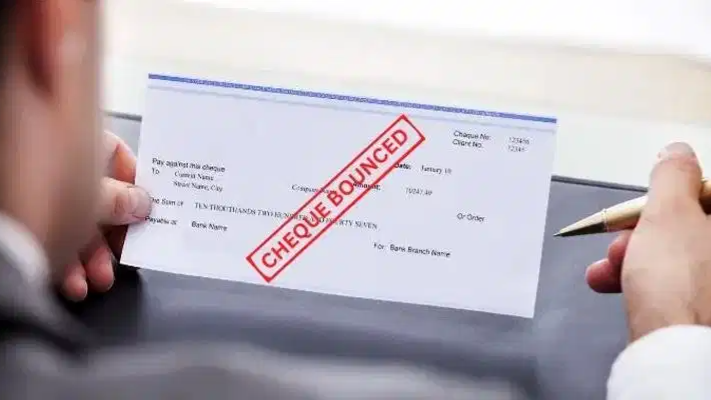
Cheques continue to be one of the most popular means of payment in India, yet cheque bouncing can soon turn into a legal dispute. According to the Negotiable Instruments Act, 1881, cheque dishonour is not only a matter of banking; it is also a crime as per Section 138 of the Act.
As detailed in a News18 report, even a single incidence of cheque bouncing can lead to a series of legal procedures, including serving notices, filing cases, and sometimes jail terms.
When does Section 138 come into play?
Section 138 applies when a cheque is returned unpaid due to specific reasons such as:
Insufficient funds in the account
Closure of the account before clearance
Payment stopped without valid cause
Signature mismatch or technical discrepancies
Also Read | ITR filing 2026: When will it begin? Key deadlines taxpayers must know
The provision is designed to ensure credibility in cheque-based transactions and safeguard the interests of the payee.
To invoke Section 138, a strict timeline must be followed:
The cheque must be presented within three months of issuance
The bank must issue a return memo confirming dishonour
The payee must send a legal notice within 30 days
The issuer gets 15 days to clear dues
Failure to pay allows filing of a complaint within 30 days after the notice period
Jail, fines and settlement options
If the matter proceeds to court and results in conviction, the consequences can be significant:
Imprisonment of up to two years
Fine up to twice the cheque amount
However, the law also allows for compounding of offences, meaning the parties can settle the matter at any stage, subject to court approval.
Also Read | Form 25 rule explained: Which doctors must maintain it and why
Courts may also direct interim compensation during the trial, and the burden often lies on the issuer to prove absence of liability.
More than just a legal case
While Section 138 is often used as a debt recovery tool, its implications go beyond financial liability. Legal actions may be pursued simultaneously with civil suits, thereby damaging an individual's reputation and financial credibility.
In addition to this, the act of bouncing a cheque can serve as a warning signal for potential lenders and harm the individual's credit rating.
It is recommended that one exercise prudence when writing cheques by keeping enough balance and avoiding casual blank cheques.