
Gold jewellery often carries small engraved numbers that many people overlook or mistake for serial codes. In reality, these markings reveal the purity level of the gold used in the piece and play an important role in determining its value.
Knowing what these numbers mean can help buyers make informed choices while purchasing jewellery, especially in a market where purity directly affects pricing.
Also Read | Indian food giant Haldiram’s enters UK dine-in market with London outlet
What does 916 mean on gold jewellery?
The number 916 is one of the most commonly seen markings on gold jewellery in India. It signifies that the jewellery contains 91.6 per cent pure gold, which is equal to 22-karat gold.
The remaining 8.4 per cent is made up of other metals such as copper, silver, or zinc. These metals are added to improve durability and make the jewellery suitable for everyday wear. Most traditional Indian gold jewellery is made using 22-karat gold.
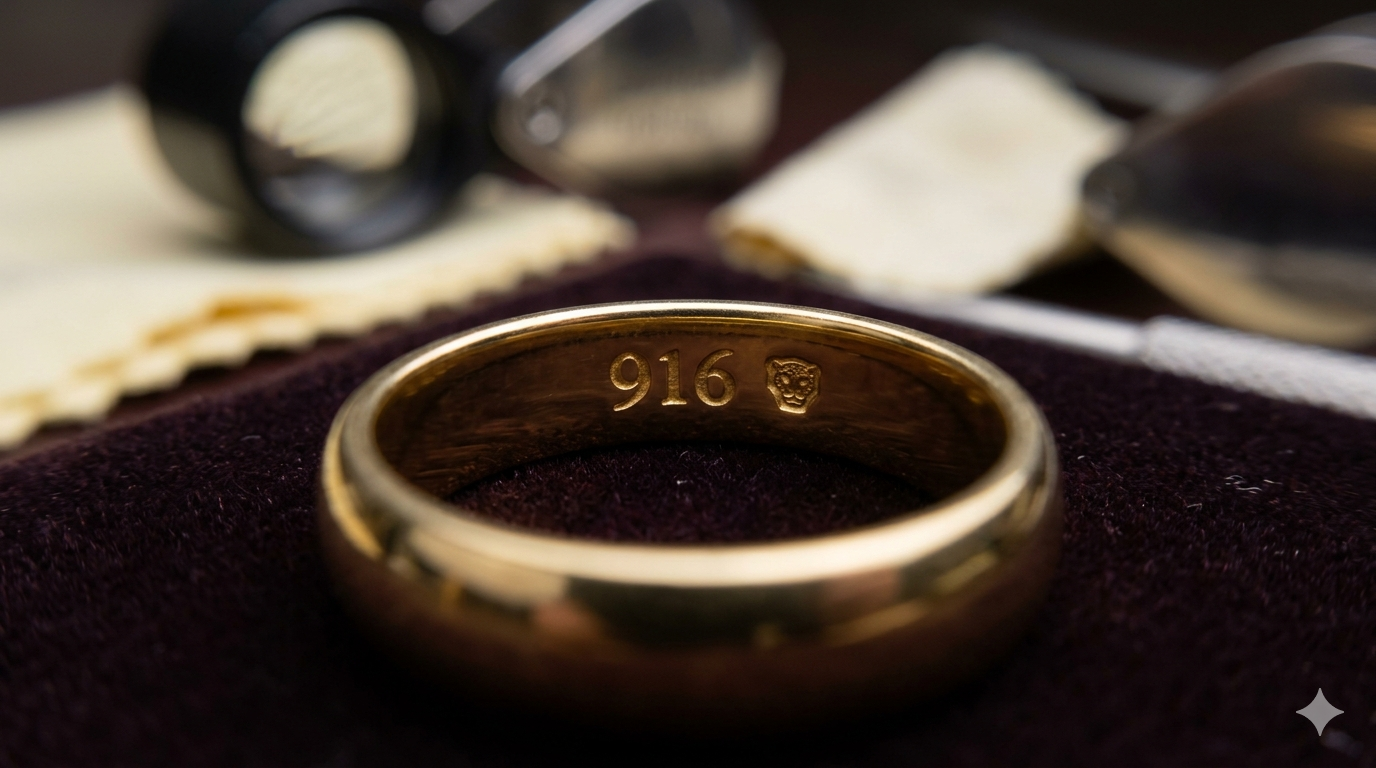 (Representational image) The number 916 is one of the most commonly seen markings on gold jewellery in India. AI generated
Understanding the 750 gold mark
Jewellery stamped with 750 contains 75 per cent pure gold, making it 18-karat gold. This type of gold is considered stronger and more durable than 22-karat gold.
Because of its hardness, 18-karat gold is widely used in jewellery studded with diamonds and gemstones. It is also popular in modern and designer jewellery collections.
What a 585 stamp tells buyers
A 585 marking means the jewellery contains 58.5 per cent pure gold, which is equivalent to 14 karats. This category is commonly used in lightweight and contemporary jewellery designs.
Also Read | Panic at Chennai airport as Etihad flight halted before take-off after wing catches fire
It is often preferred for fashion jewellery because it offers greater durability and comes at a comparatively lower cost than higher-purity gold.
Why 999 gold is considered the purest
The number 999 represents 99.9 per cent pure gold, also known as 24-karat gold. It is regarded as the purest form of gold available in the market.
However, 24-karat gold is extremely soft and is generally not used for intricate jewellery pieces. It is more commonly sold in the form of gold coins and bars.
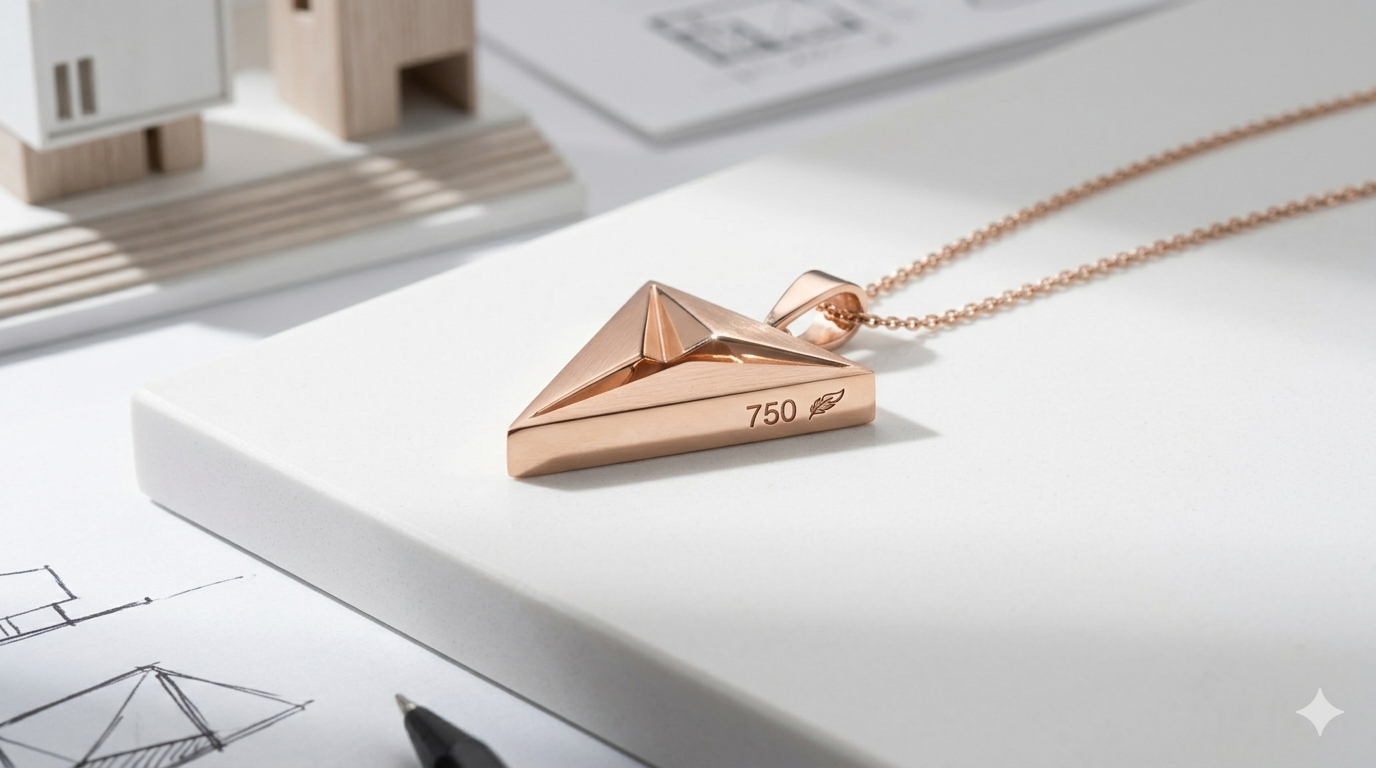 (Representational image) Jewellery stamped with 750 contains 75 per cent pure gold, making it 18-karat gold AI generated
How BIS hallmarking helps buyers
In India, gold jewellery is certified under the hallmarking system regulated by the Bureau of Indian Standards. A BIS hallmark confirms that the purity of the gold has been independently verified.
Modern hallmarked jewellery usually includes the BIS logo, a purity mark such as 916 or 750, and a six-digit Hallmark Unique Identification (HUID) code. The HUID allows buyers to trace and verify their jewellery.
While higher purity generally means higher gold value, the final jewellery price also includes making charges, wastage costs, and taxes.