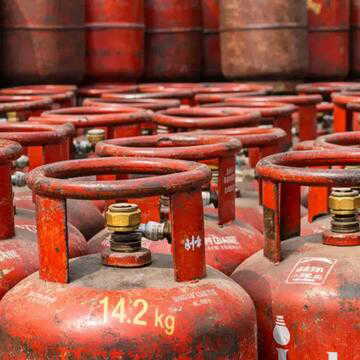
A growing fuel and raw material supply crunch is beginning to ripple across India’s production sectors, putting pressure on industries and raising concerns over job security, especially for small businesses and gig workers.
The ongoing volatility has impacted key industries including steel, automobile, textile, leather, pharmaceuticals and medical devices. Industry representatives say production cycles are being disrupted due to fuel shortages, rising input costs and supply chain bottlenecks.
Several clusters have already reported reduced output. Automobile component manufacturers are among the worst hit, while ceramic and glass units have also seen production cuts. Shortages are now extending to packaging, paints and plastics, signalling a wider industrial strain.
MSMEs under severe strain
The impact is more pronounced in micro, small and medium enterprises. According to CII National MSME Council Chairman Ashok Saygal, supply chain disruptions linked to the LPG crisis are affecting labour-intensive industries and MSME clusters.
Also Read | Will Iran war hit your beer? Gas crunch may push prices up by 15% in India
Foundry units in South India operated at nearly 50 per cent capacity in March, while industrial hubs such as Aurangabad’s paint cluster have also slowed down. Rising LPG prices, which have reportedly increased from Rs 150 to Rs 450 per kg, have further intensified cost pressures.
Restaurants and cloud kitchens cut operations
The food services sector is also feeling the squeeze. Restaurants, quick service restaurants and cloud kitchens are struggling to maintain operations amid LPG shortages.
Many businesses have been forced to scale down or temporarily shut operations. Larger companies are exploring alternatives. Kirloskar Ferrous Industries recently restarted a plant that had been shut due to the crisis, while Jubilant FoodWorks, which operates Domino’s, is shifting focus towards electricity and piped gas.
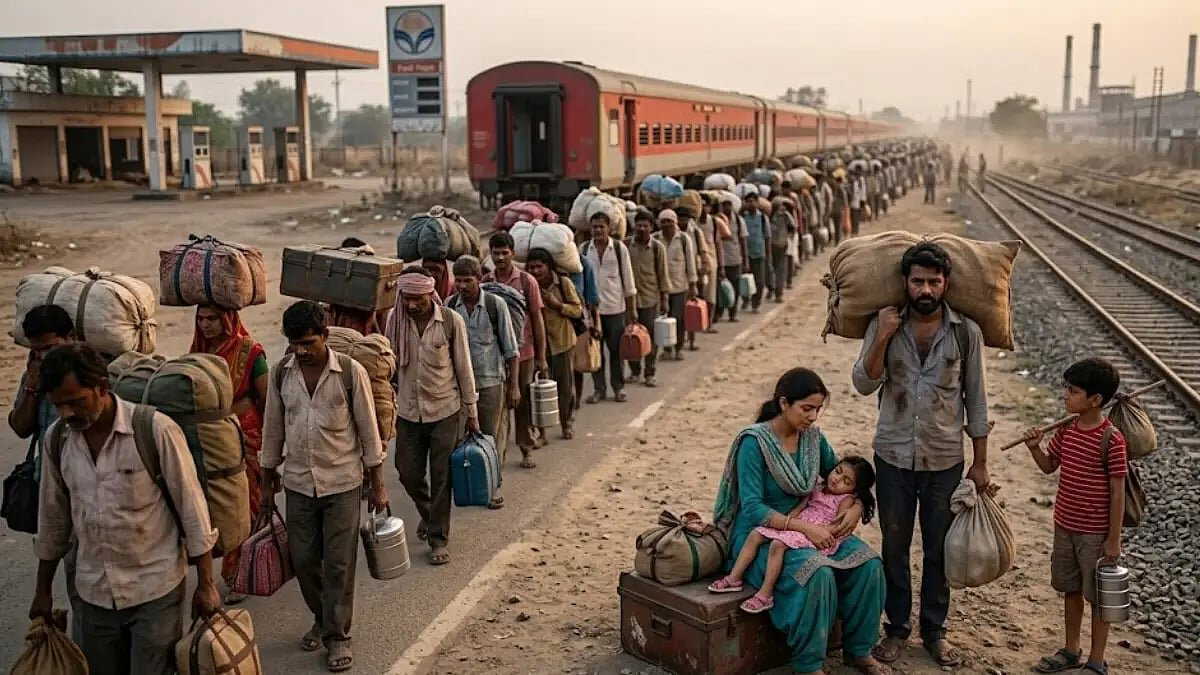
The rising cost of fuel is now translating into labour challenges. Many workers are returning to their villages, adding to existing shortages in industrial clusters.
This reverse migration is beginning to affect productivity, particularly in sectors that rely heavily on manual labour.
Also Read | ₹1.17 lakh crore gone in a month: Why foreign investors are exiting India fast
Gig economy shows early signs of stress
The pressure is also visible in the gig economy, which employs around 1.2 crore workers across delivery and ride-hailing services.
Experts say this segment is highly sensitive to fluctuations in demand and operational activity. TeamLease Services Senior Vice President Bala Subramaniam noted that changes in workload directly impact gig workforce participation.
Accord India Managing Partner Sonal Agarwal added that while companies have not made structural changes yet, gig workers are already experiencing reduced work opportunities as business activity slows.
There is no consolidated data so far on job losses linked to the crisis. However, industry voices indicate that the early signs are visible across sectors.
If fuel supply disruptions and rising costs persist, the impact could deepen, affecting both organised industries and the broader informal workforce.