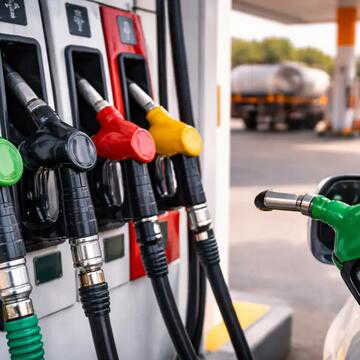
The ongoing US-Iran conflict, now entering its 30th day, is beginning to affect markets far beyond the Gulf. India, heavily dependent on energy imports, is feeling the pressure as supply chains tighten. Nearly 90 per cent of India’s crude oil is imported, with about half passing through the Strait of Hormuz, a critical global transit route that has emerged as a focal point in the conflict.
India also relies on Gulf nations such as Qatar and Saudi Arabia for a large share of its LPG imports. Disruptions in the region have led to a gas crunch, impacting multiple industries back home.
Why beer is getting costlier
The shortage of gas has had a cascading effect on beer production. Gas is essential for running furnaces used in glass bottle manufacturing. With supply tightening, several glass makers have either reduced output or halted operations, leading to a sharp increase in bottle prices.
Also Read | Is another lockdown coming? Govt clarifies rumours as misinformation spreads
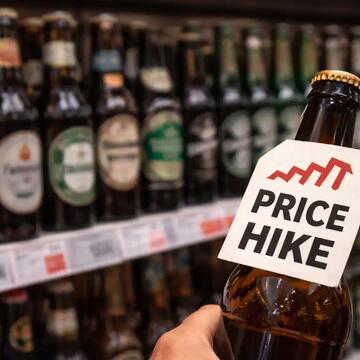
According to the Brewers Association of India, glass bottle prices have risen by around 20 per cent. The body represents major global players such as Heineken, Anheuser-Busch InBev and Carlsberg.
The supply disruption has also affected aluminium availability, a key material for cans, due to logistical challenges. Packaging costs have increased as well, with paper cartons, labels and tapes becoming more expensive.
Brewers say the rising input costs are becoming difficult to absorb. “We are asking for price increases in the range of 12-15%. We have advised our member companies to individually approach states”, Vinod Giri, director general of the Brewers Association of India, told Reuters.
He added that the surge in production costs is making some operations “unsustainable”.
Also Read | ‘Doing it for the election’: Congress questions fuel tax cut, targets Modi govt over static prices
Timing adds to pressure
The supply squeeze comes at a crucial time, with India entering the peak summer season when beer consumption typically rises. Any disruption in supply or increase in prices is likely to directly impact consumers.
The broader alcohol market in India has been expanding steadily. As per Grand View Research, the sector was valued at $7.8 billion in 2024 and is projected to double by 2030, driven by urbanisation and rising incomes.
With no clear timeline for easing tensions in the Gulf, industry players remain cautious about the months ahead.