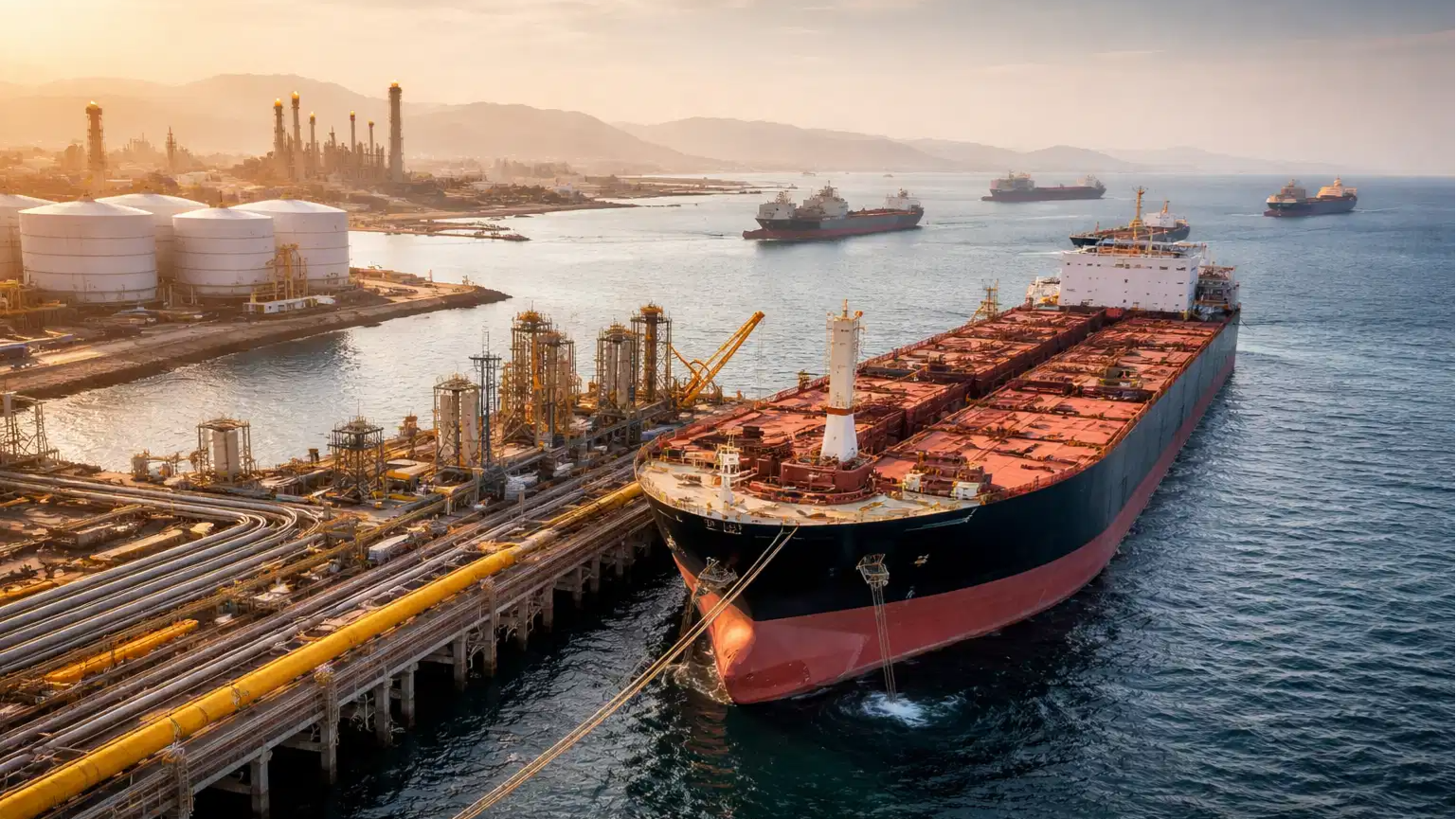
Global oil prices opened the week on a firm note, staying above the $100 per barrel mark as geopolitical tensions continue to impact supply routes. In early trade on Monday, US benchmark West Texas Intermediate (WTI) rose 1.86 per cent to $113.62 per barrel, while Brent crude gained 1.16 per cent to $110.30 per barrel, The Times of India reported.
The upward movement comes as the ongoing conflict in the Middle East continues to disrupt key energy corridors and unsettle markets.
Trump's ultimatum and market reaction
US President Donald Trump has issued a fresh deadline to Iran, asking it to halt hostilities and restore movement through the Strait of Hormuz.
Also Read | PAN rule reform from April 1: Tighter checks and stricter application norms
In a post on Truth Social, Trump warned of possible escalation if demands were not met. "Tuesday will be Power Plant Day, and Bridge Day, all wrapped up in one, in Iran. There will be nothing like it!!!" he wrote. He also told Fox News there was a "good chance" that a deal could be reached soon.
Markets had already shown sharp reactions ahead of the weekend. On Thursday, both major crude benchmarks posted significant gains, with WTI rising over 11 per cent and Brent nearly 8 per cent, marking their biggest increases since 2020.
Separately, the Organisation of the Petroleum Exporting Countries (OPEC) announced a production adjustment of 2,06,000 barrels per day, effective May 2026. The decision followed a virtual meeting on April 5 involving key OPEC+ members, including Saudi Arabia, Russia, Iraq, the UAE, Kuwait, Kazakhstan, Algeria and Oman.
The move comes as producers continue to assess market conditions and the broader supply outlook.
Strait of Hormuz remains critical
The Strait of Hormuz remains at the centre of the crisis. Since the conflict escalated on February 28, the route has faced significant disruption, affecting oil shipments from major producers such as Iraq, Saudi Arabia, Qatar, Kuwait and the United Arab Emirates.
Roughly 20 per cent of the world's oil and gas typically passes through this narrow corridor. With supplies impacted, refiners have increasingly turned to alternative sources, including cargoes from the United States and the UK North Sea.
Also Read | Looking for stable winners? These 8 stocks delivered massive returns despite volatility
As tensions persist, energy markets continue to respond to both geopolitical developments and supply-side adjustments.