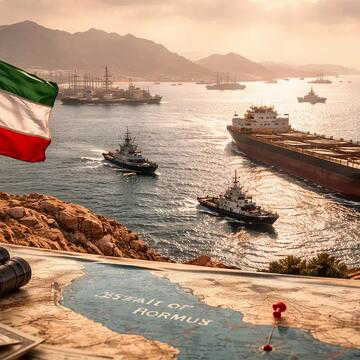
A recent social media post by Pakistan Prime Minister Shehbaz Sharif has triggered debate beyond its diplomatic intent. The message, shared on X, urged Donald Trump to extend a deadline related to Iran and called for reopening the Strait of Hormuz.
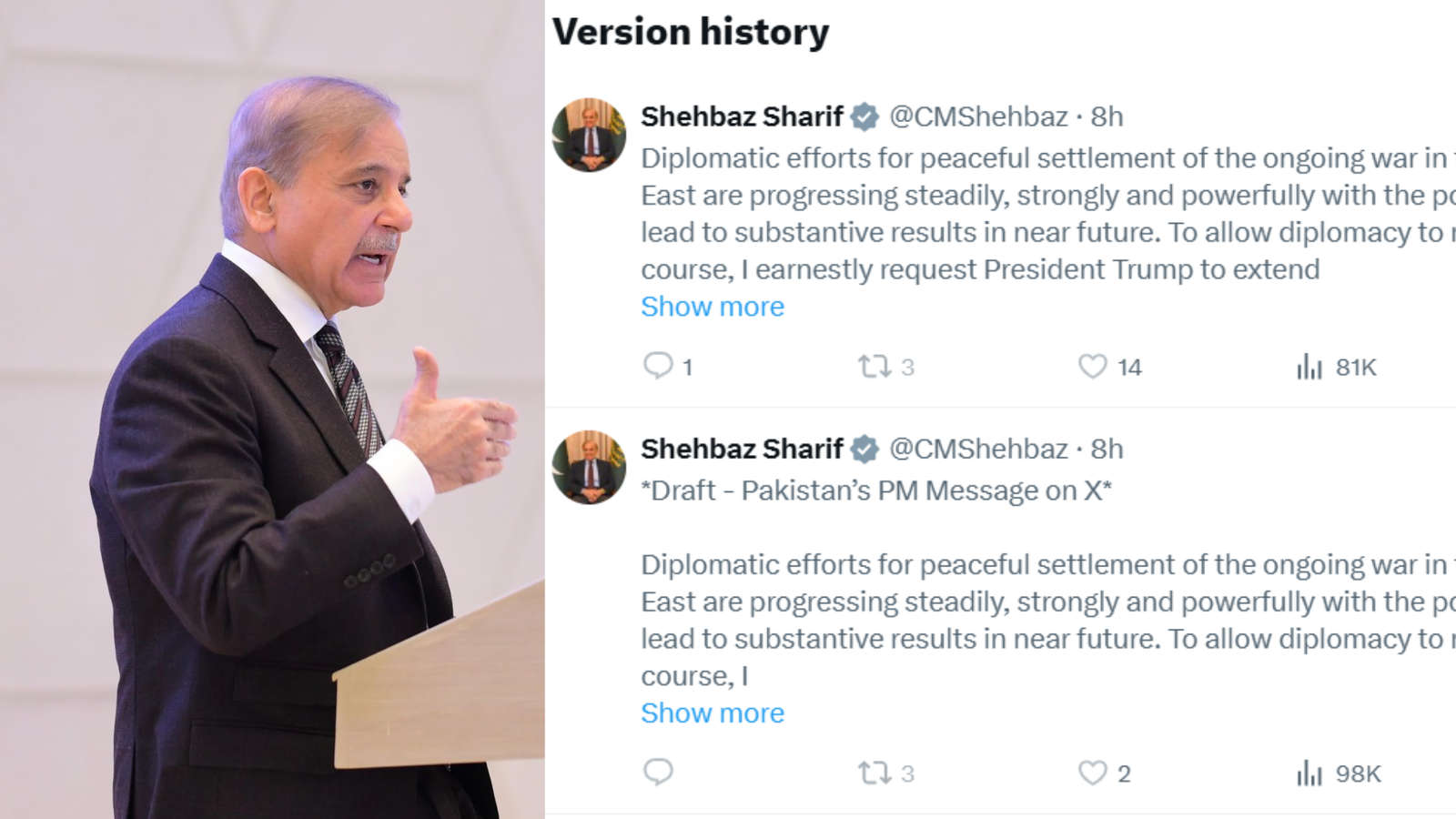
However, attention quickly shifted from the appeal itself to an unusual detail spotted in the post's edit history: "Draft – Pakistan's PM Message on X."
Also Read | 'Not the end of war': Supreme Leader Mojtaba Khamenei’s warning despite Iran ceasefire
However, the post has since been edited but when cliked on "Last edited 12:47 AM · Apr 8, 2026" below, it shows the "edit and version history".
Diplomatic efforts for peaceful settlement of the ongoing war in the Middle East are progressing steadily, strongly and powerfully with the potential to lead to substantive results in near future. To allow diplomacy to run its course, I earnestly request President Trump to extend…
— Shehbaz Sharif (@CMShehbaz) April 7, 2026
A slip or something more?
The inclusion of the word "Draft" in a public-facing message has raised eyebrows. Was it a simple oversight, or does it hint at a templated communication process? The phrasing "Pakistan's PM" has further drawn scrutiny, with some questioning whether the tone reflected a prepared format rather than a direct, personal message.
While there is no confirmed evidence suggesting external authorship, the optics of such a slip have fueled speculation. In diplomacy, even minor inconsistencies can quickly become focal points for wider interpretation.
Also Read | Iran accepts ceasefire—but warns 'our hands remain on the trigger'
Perception and credibility
The episode has revived discussions around how Pakistan's messaging is shaped. Observers note that perceptions of influence, whether internal or external, often carry weight regardless of proof. A visible "draft" tag in an official communication can create the impression of a pre-written script rather than an original statement.
Diplomatic communication depends heavily on clarity and authenticity. Even a small lapse can invite questions about authority and control. In this case, the incident has placed Pakistan's communication process under the spotlight at a time of heightened regional sensitivity.
The timing of the post has also added to the conversation. It came amid escalating tensions involving Iran and strong rhetoric from Washington. Pakistan's positioning as a mediator, alongside a structured appeal, has drawn attention online, where interpretations have ranged from procedural error to broader commentary on diplomatic signalling.